Schools
BestPrep Brings Financial Lessons to Hopkins Students
The organization has been teaching financial literacy skills for 35 years.


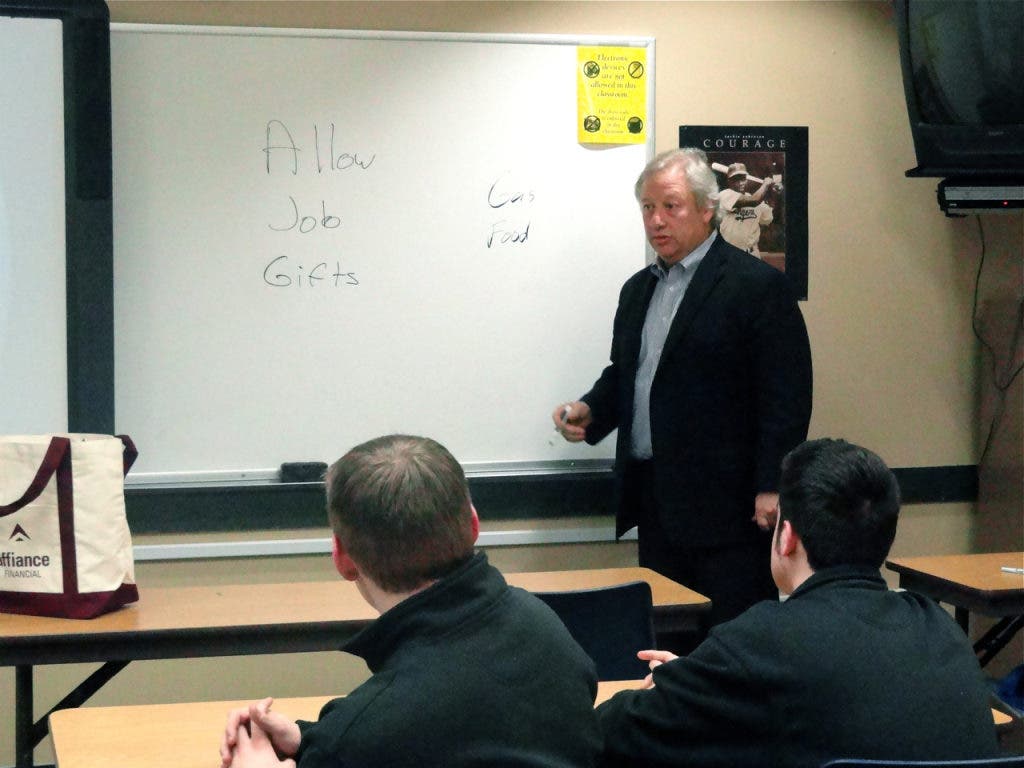


Steve Lear had a seemingly easy question for the five students who gathered in a classroom to listen to him Dec. 5: “Why does budgeting matter?”
“Because it allows you to save for the future and only spend what you have to spend,” one boy ventured.
The others put forward similar guesses that, while not exactly wrong, weren’t big enough for Lear, an owner of St. Louis Park-based Affiance Financial. After a few short minutes, he relented and gave them the answer.
Find out what's happening in Hopkinsfor free with the latest updates from Patch.
“Confidence. It’s all about confidence,” Lear said.
Hopkins Public Schools has garnered much attention for its new financial literacy curriculum. Starting this year, Hopkins ninth-graders take an introductory financial literacy class followed by more in-depth classes when they’re juniors and seniors.
Find out what's happening in Hopkinsfor free with the latest updates from Patch.
But Hopkins students have been gaining financial confidence from experts in the field like Lear for 35 years thanks to a Minnesota nonprofit called BestPrep—which teaches students business, career and financial literacy skills.
The organization’s activities include:
- Developing presentations and training volunteers with financial backgrounds—such as bankers, accountants and financial planners—to speak to students about financial literacy.
- Organizing The Stock Market Game, a 14-week online investing simulation in which students compete with a virtual $100,000 to see whose investments pay off the best.
- Hosting Minnesota Business Venture, a weeklong summer camp that brings students and business professionals together.
Most of the services BestPrep provides are free or low cost. During the 2009-2010 school year, BestPrep reached about 54,000 students in 559 schools, according to the organization’s annual report.
Bob Kaitz, BestPrep’s president and CEO, noted that the organization provides financial literacy in a variety of classes, not just ones centered on that subject. That could be in social studies, for example, or the DECA afterschool club that Lear spoke to a week ago.
Yet there’s no doubt that Hopkins’ new financial literacy requirements have put additional emphasis on the subject.
“There’s so many important things that kids need to know,” Kaitz said. “But if you can’t get this one (subject) right, it can mess up your life.”
The lessons Lear taught were as much about ethical money management as about pinching pennies. After one student said babysitting and mowing yards were good jobs because he could avoid paying taxes, Lear admonished that’s cheating the system. And Lear encouraged them to respect the clerks’ service when out shopping by not spending long periods learning about a product from them only to buy a cheaper deal on the Internet.
Lear emphasized two points repeatedly: Don’t do something you wouldn’t want done to you and don’t do something you’d be embarrassed to read on the front page of a newspaper.
Yet he strived just as hard to emphasize the enjoyable aspects of financial planning: “Let me tell you, it’s really fun to have money in your 50s. You think it’s fun now; it’s really fun in your 50s.”
The messages resonated with the students. Joel Ratner, a junior, said he learned some good money management skills from the presentation—particularly strategies to avoid trying to keep up with friends’ spending habits.
“I think it’s difficult,” he said. “There’s a lot of peer pressure involved.”
Of course, that can be overcome with confidence.
Get more local news delivered straight to your inbox. Sign up for free Patch newsletters and alerts.