Community Corner
ResourceWest Sees Increasing Need This Winter
Executive director blames high unemployment, bad economy.


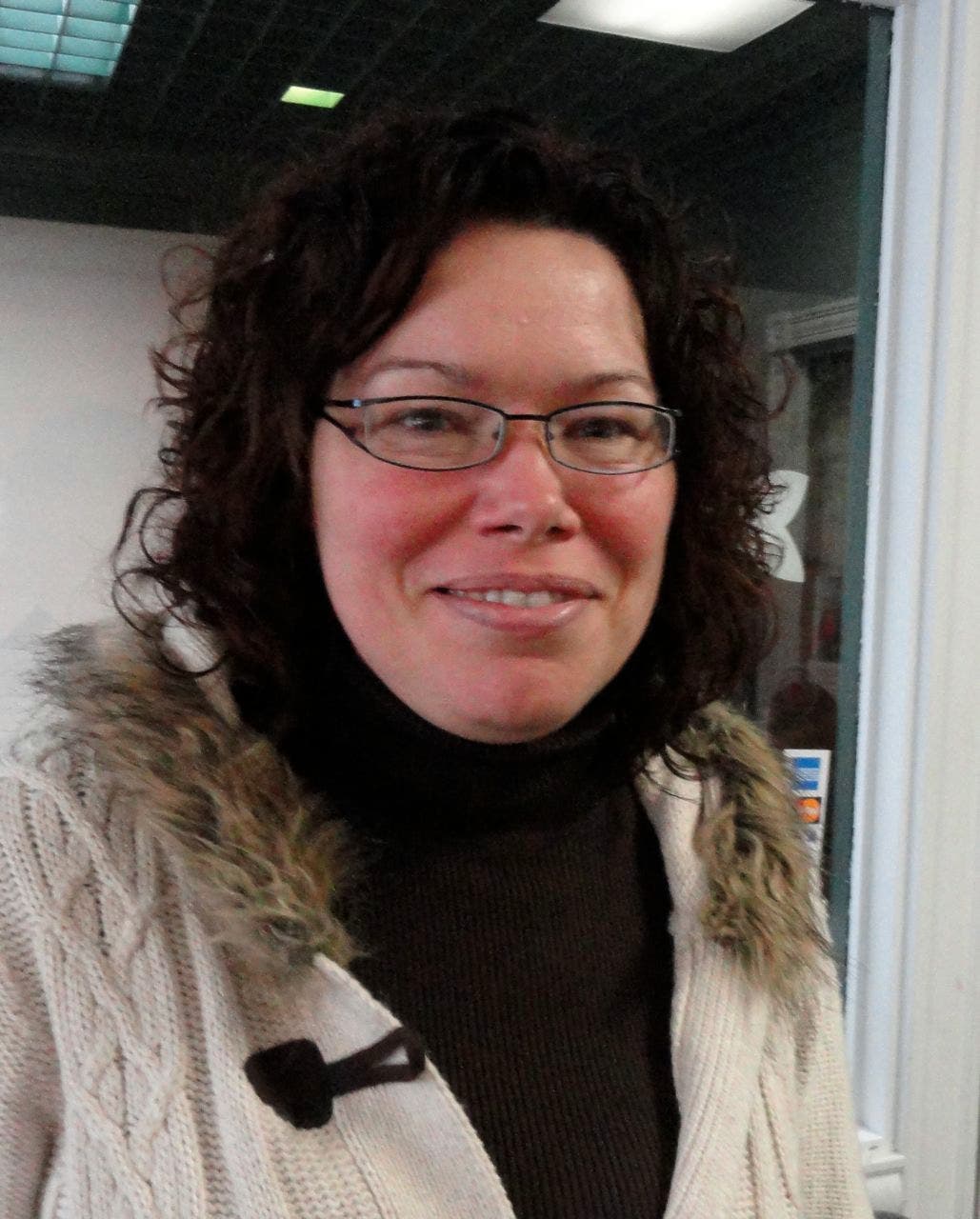


Fall and winter are always busy for organizations that help families struggling to get by, but high unemployment and continued economic difficulties make this year particularly demanding. Judy Elling, executive director at ResourceWest, sat with Patch to talk about changes she's seen and why they're happening.
Hopkins Patch: Why are fall and winter particularly trying for the people who depend on ResourceWest?
Judy Elling: Fall and winter, what happens is electric bills go up. If they're already on a tight budget, that can just throw them over a little bit. You know, families have to get to work if they're working, and so gas costs increase. You just seem to never have enough money through the holidays. We've seen an increase in the price of food. It's just a lot of different things that are happening.
Find out what's happening in Hopkinsfor free with the latest updates from Patch.
Hopkins Patch: How does Hopkins do as a community taking care of its most needy?
Elling: Hopkins is a very unique community and always has been. It's very progressive, and if they see a problem, they don't wait to react to it. They try to solve it immediately. That's how we came to be. In 1991, some of the social workers and nurses and teachers at the Hopkins school district had these families coming up to them for resources and they didn't know where to send them. They saw them coming to school unprepared for school — not having backpacks, not having adequate clothing. So the school district held community meetings, and this is how the Hopkins Area Family Resource Center came to be. From there, we just always have had school and community support. I think the community as a whole just doesn't want to see anybody fall through the cracks.
Find out what's happening in Hopkinsfor free with the latest updates from Patch.
Hopkins Patch: Are you seeing any needs this year that you haven't seen past years?
Elling: We're seeing increased phone calls coming in, because there's not any organizations out there really helping pay these specific things. We're getting a lot of phone calls from people asking for help with car repairs, and they're medically needed or work-related costs that the families just can't afford. We're getting phone calls from the elderly and the disabled (for) help with prescription costs. The local nonprofit that used to do it cut the program two years ago because they just couldn't afford to maintain that. People are having a hard time keeping up their car insurance. The other one that we feel is really sad is people are calling us saying they can't afford their health insurance premium, and these health insurance premiums are anywhere from $60 to $200-plus a month. Some of them are MinnesotaCare premiums. Some of them are private insurance. Those are new, and emerging ones are coming up for us.
Hopkins Patch: Besides your six programs are there new initiatives coming up that you do to help with these new needs?
Elling: Project Starfish has a small amount of money, and our pot of money for that is shrinking very fast. The amount of money that we give out is very minimal, and we're spending it on prescriptions, on health insurance premiums, on car repairs. What we've decided collectively as a board is that we need to do a little bit more marketing and awareness of the Project Starfish program. Our (fiscal year) is July 1 through June 30, and we've already spent almost three-fourths of the budgeted amount for Project Starfish. That program is partially funded by Park Nicollet Foundation, and we're out actively grant writing for more grants. And we'll be doing some campaigning in the community to help fund that program.
Hopkins Patch: Do you see things starting to get easier, or is this a constant trend?
Elling: Once people start getting hired again, that's when we're going to start seeing a difference. I have a lot of people who are applying for jobs at Holiday, McDonalds, Wendy's, Burger King, Walgreens, Starbucks – and these are people that were mid-level executives who just can't find work anymore, so they're taking whatever they can get no matter what the wage is. So really I don't see this getting any better until people start getting hired again. We're really seeing people in the last two years who have been donors to us who are coming through our programs needing help. They apologize when they come in: "I'm sorry I can't help this year," and "I'm sorry I need help this year." Don't apologize to us. You supported us in the past. That's why our program is in existence, to help you when you need it. I think for families that are middle or upper income that have received a severe monetary loss, there's a little bit of a stigma attached to calling and asking for help. We just want people to know that we're very confidential, that they still can call us and that there's places they can go for assistance. You know what, when you don't need the help anymore, you'll turn around and help.
See related story:
***
How can you help?
Volunteer: ResourceWest needs help in the front office, with website and database maintenance, on its committees, at its fundraisers, even shopping for items. To find out how you can volunteer, log on to the volunteer section of the organization's website or call Rosemaris Campos at (952) 988-5352.
Donate monetarily: You can donate through the organization's secure website. Gifts can be targeted to specific programs, such as Toy Chest, Winter Warm Wear, Back to School or Project Starfish.
Help raise money: You can talk with your faith group, work group or neighborhood to organize drives.
Get more local news delivered straight to your inbox. Sign up for free Patch newsletters and alerts.