Community Corner
Simon: Paying Back the Debt to Our Schools
The local legislator says repaying the funding shift should be a high priority.


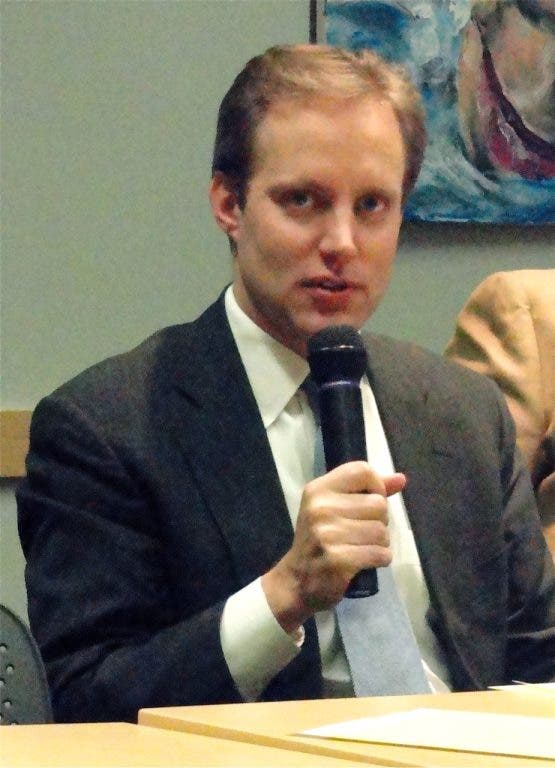
[Editor’s note: The following column was written by Rep. Steve Simon (DFL-District 46B)]
Find out what's happening in Hopkinsfor free with the latest updates from Patch.
One of our top priorities should be to pay back the billions of dollars we owe our public schools in Minnesota as a result of last year’s ill-advised budget deal (which I voted against). Many of our schools are struggling financially. They’re laying off teachers — which leads to larger class sizes. And some school districts are even adopting four-day school weeks. Of course, money alone will not automatically make our schools better. But we have to keep our promise to our young people to provide them with a high-quality education. That means balancing our state budget honestly, without gimmicks that target our schools.
***
Find out what's happening in Hopkinsfor free with the latest updates from Patch.
The Facts About the “School Shift”
- The “school shift” is really a budgetary gimmick. The state simply holds back a certain percentage of the money budgeted for schools—promising to pay back that amount in the future; a sort of “I.O.U.” with no guarantee.
- Minnesota is now one of two states in the nation engaged in long- term borrowing from schools. The other state, California, borrows 19 percent of the money it budgets for schools. Incredibly, Minnesota borrows 40 percent of the money intended for our schools.
- Minnesota currently owes its schools—and the students they teach—$2.4 billion. That’s about 15% of the entire annual budget for the state.
- In 2011, as part of the agreement to end the shutdown of state government, the final budget borrowed an additional $780 million from our schools—the largest additional chunk in state history.
- This shift cost the St. Louis Park Public School District $10,341,416, and cost the Hopkins School District $18,115,127.
- Our once nation-leading education system has slipped. Minnesota now has the 5th largest average elementary class sizes in the country, and is among the top 10 states in the size of cuts to education. Each Minnesota student receives $727 less than in in 2008 -- a deline of 7.7% -- when adjusted for inflation.
Where do we go from here?
- We should start as soon as possible to pay back our schools. And we should do it in an honest way, without draining our budget reserves.
- If Minnesota faces a budget shortfall in 2013, we should solve it with a balanced combination of spending cuts and revenue increases -- and not with more shifts and gimmicks.
- We should ensure that our students and their schools have the resources they need to be successful. Money isn’t the only answer, but it’s an important piece of providing a world-class education.
Get more local news delivered straight to your inbox. Sign up for free Patch newsletters and alerts.