Politics & Government
Watershed District: ‘We Don’t Want to Be Treated Like Developers’
Minnehaha Creek Watershed District Planner James Wisker urged Hopkins to include the district Cold Storage site planning.


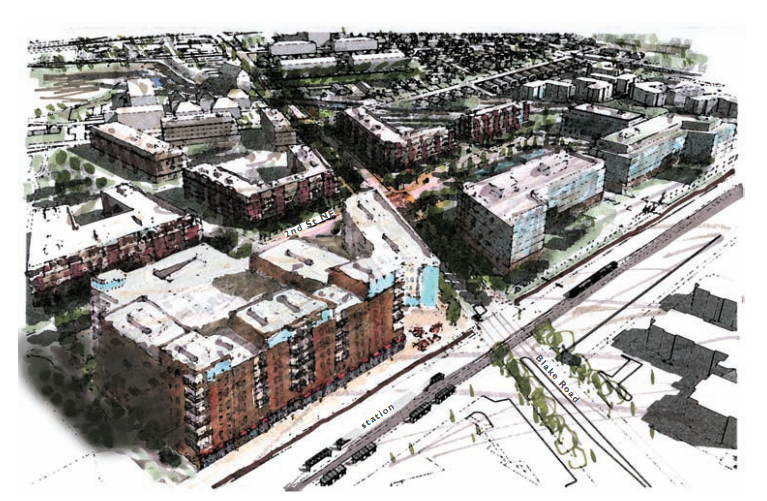
Minnehaha Creek Watershed District officials say they don’t want to consider them just another developer as the two groups work to develop the Cold Storage site on Blake Road.
“We’re not developers, and we don’t want to be treated like developers,” watershed district Planner James Wisker said at a meeting Tuesday with members of the City Council, Zoning and Planning Commission, Park Board, watershed district and city staff.
A typical project brought forward by a private owner would require approval from both Hopkins and the watershed district—each with its own regulatory authority over the project. In those cases, crosstalk between the bodies isn’t always common.
Find out what's happening in Hopkinsfor free with the latest updates from Patch.
But with the Cold Storage site, the owner is one of those regulatory authorities. Wisker said the project can come in cheaper and more efficiently, while meeting all goals, if the groups start working together early instead of working in a vacuum.
At the same meeting where , the watershed district spelled out its four goals:
Find out what's happening in Hopkinsfor free with the latest updates from Patch.
- Regional stormwater management: Watershed districts began as flood-control entities, but they’ve since come to focus on water quality. Removing contaminants from stormwater runoff is an important part of this. The Cold Storage site is to be a key part of this—particularly since the area it’s in sees some of the most concentrated contributions to downstream pollutants.
- Community green space and trails: The Cold Storage site is just one piece of a larger watershed district effort between Highway 169 and Methodist Hospital. The district is working with local governments to tie trails along the creek into regional trail networks—along with its broader goal of improving water quality. The watershed district aims to have four to six acres of green space on the Cold Storage site. “This is a big linking piece and a linchpin to everything we’re trying to accomplish in this area,” Wisker said.
- Maximize the return on the investment: The watershed district for the Cold Storage site. Existing leases are helping to fund the bonds that purchased the property, but the district will need to recoup its investment when those leases expire in three years. “Once they’re gone, the financial reality of this project starts to set in,” Wisker said.
- Meet the broader goals of the Hopkins community: If the project were purely a water quality effort, chances are cooperation between the city and watershed district would be much less deliberate. But Hopkins a chance for the site to catalyze development in the Blake Road corridor, and the watershed district wants to assist with that. “The economic development and housing is really why we got in bed with the City of Hopkins on this project,” Wisker said.
When Wisker asked if the watershed district’s goals clashed with Hopkins’ own goals, city officials said there was nothing inherent in them that appeared to go against the community’s vision.
That doesn’t mean differences won’t arise, though. City priorities focus on issues, such as economic development, that typically aren’t as much of a concern for the watershed district.
Still, Wisker emphasized that a clearly articulated vision for the property would give Hopkins and the watershed district a much better chance of fending off unwanted proposals—such as a possible Metropolitan Council push to build the light rail station or park-and-ride ramp on the site.
“The watershed is not coming in as a developer. We’re coming in as a partner,” he said.
Get more local news delivered straight to your inbox. Sign up for free Patch newsletters and alerts.