Politics & Government
Inver Grove Heights Council Debates Urban Chicken Ordinance
Should the city allow residents to raise chickens in urban areas? That's the question facing members of the Inver Grove Heights City Council.


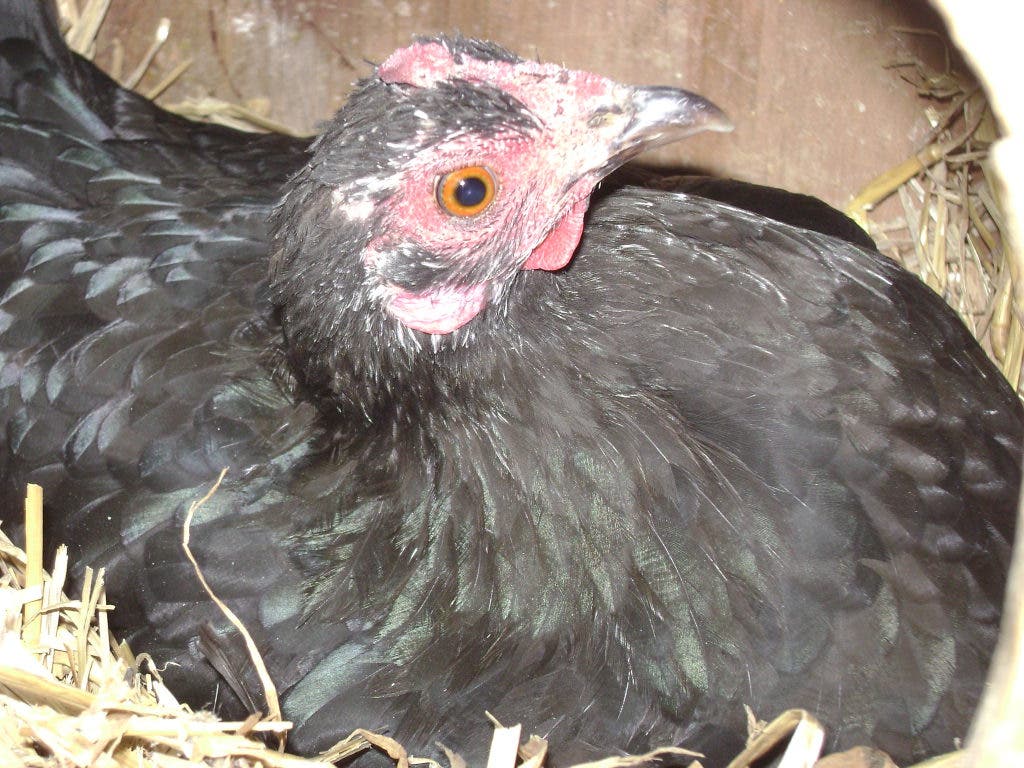

Does a coopful of chickens in an urban area constitute a public nuisance?
That was the question at the core of a debate between members of the Inver Grove Heights City Council on Monday night, as they considered a new ordinance allowing local residents to raise chickens within residential neighborhoods in the city.
City regulations currently prohibits residents from raising chickens—and other farm or non-domestic animals—in districts that are not zoned for agricultural use. But at least one council member, Rosemary Piekarski Krech, believes the city should ease its regulations to permit backyard chicken coops. On Monday, the council directed city staff to create a formal draft of the proposed ordinance, which will likely return to the council for approval later this year.
Find out what's happening in Inver Grove Heightsfor free with the latest updates from Patch.
During the work session, Councilor Bill Klein strongly opposed the proposed ordinance, saying the smell and noise of a chicken coop in residential neighborhoods would create a public nuisance and lead to an enforcement headache for the city. Chicken coops, he added, may draw other predators, like foxes and coyotes, deeper into the city, causing more problems for homeowners.
“If you want chickens, move to a rural area,” Klein said. “There’s nothing that’s going to move me to vote for it.”
Find out what's happening in Inver Grove Heightsfor free with the latest updates from Patch.
But Piekarski Krech, who lives in an agricultural area and raises her own flock of chickens, believes that, with the advent of the sustainable food movement and the desire to eat locally, more and more people are interested in urban chickens.
“With two or three hens, you can supply your whole family with eggs,” Piekarski Krech said. “I think it’s what people are doing, and it makes sense to me.”
If the ordinance is crafted correctly, Piekarski Krech added, the potential for a public nuisance would be minimized.
Any ordinance permitting chickens in a residential area should prohibit roosters—which produce a lot of noise—limit the number of chickens a resident can raise and require a minimum setback distance from other properties, City Planner Allan Hunting wrote in a memo provided to the council.
If the city were to draft an ordinance, Hunting added, it should require residents to confine their chickens in a coop at all times, allow coops only in the back yard of homes and require owners to apply for some kind of city-issued permit.
Other local cities that have urban chicken ordinances, including West St. Paul and Rosemount, have similar restrictions, Hunting observed. West St. Paul, for instance, only allows a resident in an urban area to own a maximum of two chickens without a special permit. Chicken coops must be located at least 100 feet from any adjacent residence, according to West St. Paul’s code.
Rosemount, for its part, allows a maximum number of three chickens and requires that coops be built at least 50 feet from a residence and 10 feet from a property line.
Because the city’s resources are limited, enforcement of such an ordinance could be problematic, City Administrator Joe Lynch told the council on Monday.
“We just don’t have the staffing, we don’t have the resources to deal with a lot of enforcement,” Lynch said.
Get more local news delivered straight to your inbox. Sign up for free Patch newsletters and alerts.