Community Corner
The Jacob Wetterling Story: A ‘Cluster’ of Abuse in Paynesville (Part 4 in a 5-Part Series)
Danny Heinrich, the man who abducted and murdered Jacob Wetterling, was a suspect from the beginning. Why was he not caught sooner?


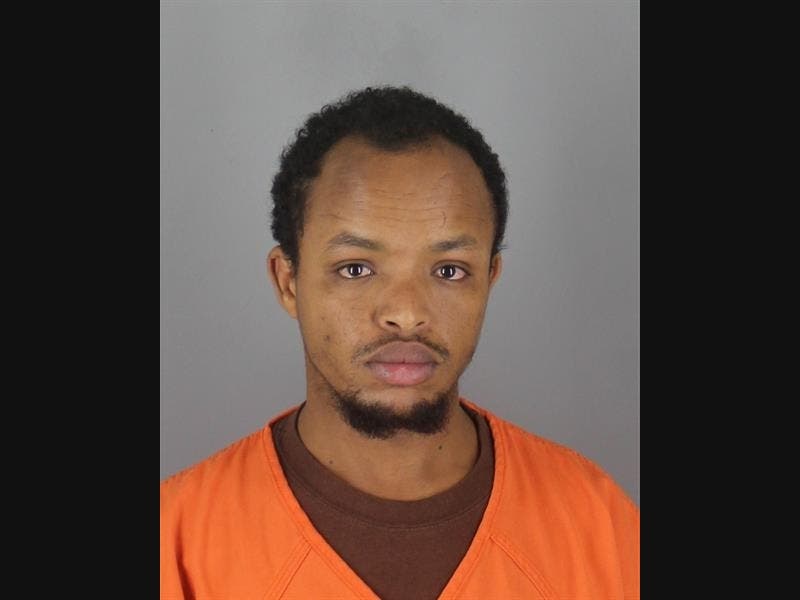
Danny Heinrich, the man who revealed the location of Jacob Wetterling's remains in September, was a suspect in the Wetterling case from the very beginning, 27 years ago. WCCO reported that within the first four months after Wetterling’s abduction, Heinrich was contacted by Stearns County investigators and the FBI four times.
Investigators found that Heinrich’s shoe prints were consistent, but not a scientific match, to the prints found at the scene of Wetterling's abduction.
The discovery of Wetterling's remains in Paynesville last month brings up new questions about whether police could have prevented his death.
Find out what's happening in Minneapolisfor free with the latest updates from Patch.
As a 13-year-old in 1986, Troy Cole, of Paynesville, was pulled off his bike and sexually assaulted not far from where Wetterling's remains were found. Cole told WCCO he believes Heinrich assaulted him.
Cole was a block away from his front door on the night of Nov. 15, 1986, when he was yanked off his bike and sexually assaulted.
Find out what's happening in Minneapolisfor free with the latest updates from Patch.
About This Patch Special Report
Today, we offer our fourth installment in a five-part special report about the abduction and murder of Jacob Wetterling and other missing children in Minnesota and the Midwest. Previously in this report:
- The Jacob Wetterling Story: What Went Wrong (Part 1 in a 5-Part Series)
- The Jacob Wetterling Story: Are Parents Too Cautious (Part 2 in a 5-Part Series)
- The Jacob Wetterling Story: America’s First ‘Milk Carton Kids’ (Part 3 in a 5-Part Series)
For many years, Cole thought he was the only boy survivor of sexual assault in that area, and felt alone in his struggle.
That changed in 2015, when Cole and other victims of attacks in Paynesville that took place in the late 1980s began sharing their stories with each other and speaking out in an effort to help with the Wetterling case. As it turns out, Cole and seven other boys who reported attacks between 1986 and 1987 say they were ignored by Paynesville authorities, the Minneapolis Star Tribune reported.
In 2015, law enforcement began investigating the string of attacks in Stearns County and any possible connection they might have to the Jacob Wetterling case. Residents in the area began to wonder if a better police force and community response to the Paynesville attacks could have prevented the murder of Wetterling.
According to the Star Tribune, investigators in 2015 called what happened in Paynesville in the late '80s an “assault cluster.”
Danny Heinrich, who was convicted of Wetterling’s abduction and murder last month, lived in Paynesville in the late 1980s in an apartment just blocks from where several of the reported assaults took place.
Cole questions why officers at the time of his attack weren't more helpful. Cole said he and his father reported the attack to the Paynesville police, but as far as he knows, police ignored the case.
Reflecting on how he and the other Paynesville victims were treated by police, Cole told the Star Tribune, “I felt like they abandoned us, like ‘who cares, you know, they’re a bunch of kids, they’ll get over it.’”
“But to tell you the truth, we haven’t.”
Another victim from Paynesville, who identified himself as Craig, told WCCO that he believes if authorities had done more to find his attacker, Wetterling would be alive today.
Why did it take so long (about 25 years) for law enforcement to fully investigate and connect the string of assaults in the small town of Paynesville to Wetterling’s abduction that took place in the same county? Was a lack of investigative resources, understanding, or appreciation for the seriousness of sexual assault lacking at that time?
According to the National Center on Domestic and Sexual Violence, during the 1970s and early 1980s, the United States experienced a tremendous increase in survivors of sexual violence publicly speaking out and sharing their stories, which resulted in increased activism and public awareness of sexual violence. It also raised the demand for programs designed to prevent sexual violence.
Awareness was championed especially by the Ms. Magazine Project on Campus Sexual Assault in 1984. The project, led by renowned researcher Mary Koss, distributed a self-report questionnaire to a large number of college students across the U.S. According to the NCDSV, the results of the questionnaire transformed the public’s understanding of how widespread sexual assault was in our society.
In the 1980s, extensive rape reform legislation was enacted throughout the U.S., according to the National Violence Against Women Prevention Research Center. However, the Paynesville abductions in the late 1980s, and the victims saying they felt ignored, present questions about what more might have been done to prevent what happened to Jacob.
"I gave a statement to city police here," Cole told WCCO about the night he was abducted. "Never heard back from anybody."
A document made public last year revealed that Paynesville’s police chief at the time, Robert Schmiginsky, contacted the Wetterling investigators in January of 1990 about the Paynesville cases, alerting them that Heinrich was a suspect.
However, in 2014, Patty Wetterling, Jacob's mother, told WCCO that she was not aware of the Paynesville abductions.
Timeline of Sexual Assault Legislation
In the 1980s and 1990s, Minnesota and many other states began to increase penalties for sex offenders.
1980s – Minnesota Coalition Against Sexual Assault (MNCASA) is incorporated.
1981 – Ms. Magazine Project on Campus Sexual Assault draws attention to the prevalence of acquaintance rape.
1984 – First National Symposium on Sexual Assault is co-sponsored by the Office of Justice Programs and the FBI. (1984)
1991 – Minnesota's Sex Offender Registration Act is the first legislative initiative undertaken by the Jacob Wetterling Resource Center (formerly Jacob Wetterling Foundation).
1992 - Campus Sexual Assault Victims’ Bill of Rights Act is passed.
1992 - The National Crime Victims Research and Treatment Center and the National Victim Center release Rape in America: A report to the nation outlining the scope and effects of rape.
1993 -Congress passes the Child Sexual Abuse Registry Act, establishing a national repository for information on child sex offenders.
1994 - Congress passed the Violence Against Women Act (VAWA) as part of national crime legislation.
1994 – The Missing Child Response Act for cases of missing and endangered children was brought to the Minnesota Legislature by The Grant Hussey Foundation and supported by the JWRC.
1994 – The Federal 1994 Omnibus Crime Bill, including the Jacob Wetterling Crimes Against Children and Sex Offender Registration Act, mandates that each state create a very narrowly drawn, specific program to register sex offenders. This bill requires states to implement sex offender and crimes against children registries. The compliance deadline was September 30, 1997.
1996 – The Pam Lychner Sex Offender Tracking and Identification Act of 1996 is another amendment to the Wetterling Act. This act allows the FBI to establish a national database of the names and addresses of sex offenders who are released from prison and requires lifetime registration for recidivists and offenders who commit certain aggravated offenses.
1996 - The Community Notification Act, known as “Megan’s Law,” leads to public awareness on the location of convicted sex offenders.
1996 - Congress passed the Drug-Induced Rape Prevention Act.
1997 – The Jacob Wetterling Improvements Act includes among its requirements heightened registration requirements for sexually violent offenders, including members of the United States Armed Forces who have been convicted in any civilian or military court.
1998 - The Child Protection and Sexual Predator Punishment Act of 1998 authorizes stiffer sentences for sex crimes against children and in other ways combats child sexual assault, including crime facilitated by the Internet.
1999 – Jennifer's Law requires states to notify the National Crime Information Center when they find an unidentified body and crosscheck the Missing Persons File with the Unidentified Persons File to see if there are any possible matches. The bill, which provides funding for the associated costs, was signed into law in March, 2000. Jennifer’s Law is named for Jennifer Wilmer, who went missing at age 21 in 1993 in California.
2000 – Katie’s Law updated and broadened Minnesota’s sex offender registration requirements. Included in the law are provisions that require significantly more information about each offender to be included in the registry.
2000 – The Campus Sex Crimes Prevention Act amends the Wetterling Act by requiring offenders to report information regarding any enrollment or employment at an institution of higher education and to provide this information to a law enforcement agency whose jurisdiction includes the institution.
2000 - Congress passed the Trafficking Victims Protection Act
2002 - Congress appropriates about $20 million to fund services for trafficking victims.
2004 - The U.S. Department of Defense releases a report and recommendations for preventing sexual assault in the military.
2005 - The U.S. Department of Justice establishes an online national sex offender registry.
2006 – The Adam Walsh Child Protection and Safety Act broadly updates and strengthens multiple areas of law relating to the protection of children.
2006 – Dru’s Law, included within the wide-ranging Adam Walsh Child Protection and Safety Act, establishes a nationwide online sex offender database.
Up Next in This SeriesBefore
The search for Jacob Wetterling is over, but there are still millions of missing kids around the world.
Image of Jacob Wetterling via MissingKids.org, used with permission
Get more local news delivered straight to your inbox. Sign up for free Patch newsletters and alerts.