Crime & Safety
MN Department Of Health Unveils Violent Death Dashboard
The new dashboard shows patterns and behaviors surrounding violent deaths in Minnesota, including homicides and suicides.


ST. PAUL, MN — The Minnesota Department of Health on Wednesday unveiled a new online dashboard showing state data on violent deaths.
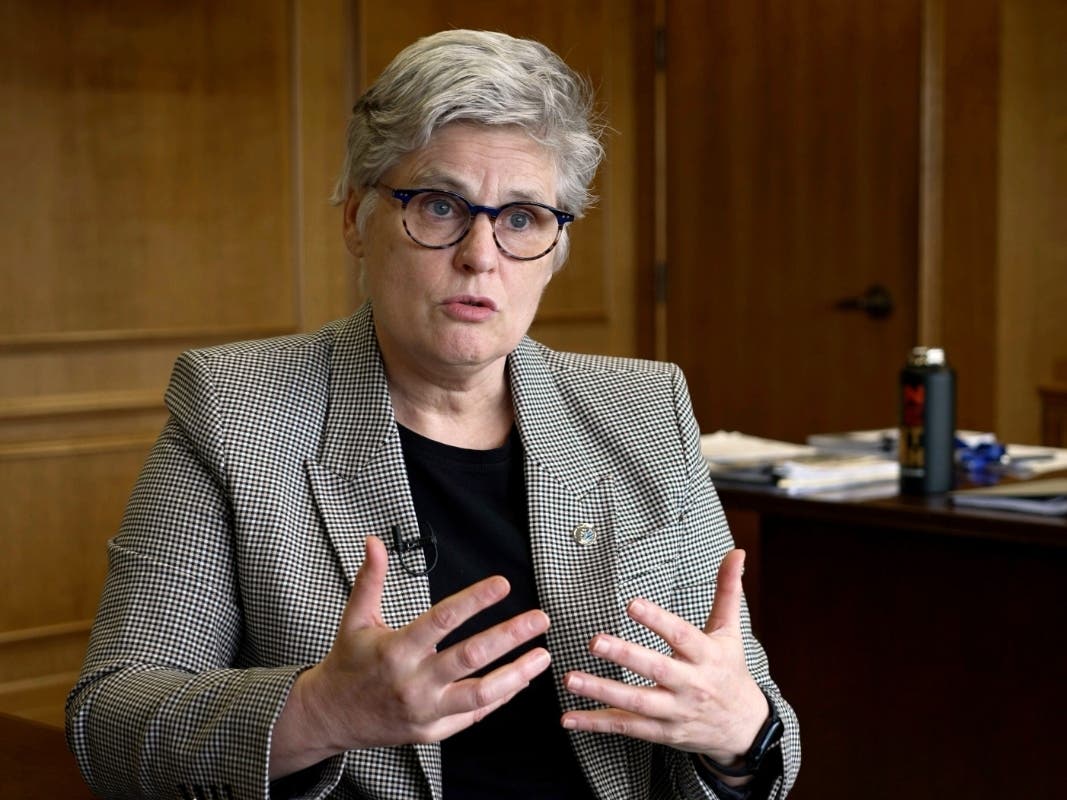
"This dashboard gives us more detailed information on which populations are experiencing the tragedy of violent deaths, and what the circumstances are surrounding these deaths," said Minnesota Commissioner of Health Dr. Brooke Cunningham in a news release.
"By pulling this data together into one dashboard, we can better understand where and why these deaths are happening and work with our partners to develop tailored strategies to protect Minnesotans."
Find out what's happening in Minneapolisfor free with the latest updates from Patch.
Health officials identified the following patterns using the data:
Homicides and homicide rates spiked in 2020—a trend also observed nationally—while other manners of violent death did not.
Firearms were used in 45% of suicide deaths, 65% of homicide deaths and 54% of inter-personal violence homicide deaths. Most firearm deaths, 75%, were suicide. Minnesota has large racial disparities in suicide and homicide rates. Suicide rates in Minnesota are highest among the American Indian population, more than 70% higher than for the white population.
Homicide rates in the state are highest among the Black or African American population and the American Indian population, more than 10 times the rate of the white population.
Antidepressants were found in the systems of 29.8% of females who died by suicide, compared to 12.1% in males.
Most often the victim and suspect in a homicide knew each other.
Spouses were suspected as the perpetrator in 21.1% of homicide cases where the victim was female. The victim’s boyfriend or girlfriend was suspected in an additional 15.5% of cases.
In homicide deaths, the most common circumstance recorded, 32.9%, was an “argument or conflict” precipitating the death.
The state collaborated with the Joyce Foundation in the development of the dashboard.
Find out what's happening in Minneapolisfor free with the latest updates from Patch.
"We're excited to support this groundbreaking data dashboard and the innovative approach being taken by the Minnesota Department of Health to keep our communities informed with such important and timely information," said Tim Daly, Joyce's Gun Violence Prevention and Justice Reform program director.
"This tool will provide us with more accurate data to better understand what is happening in communities and allow us to make more informed policy and practice decisions."
Get more local news delivered straight to your inbox. Sign up for free Patch newsletters and alerts.