Crime & Safety
Pulmonologist Explains Medical Reasons For George Floyd's Death
At Monday's federal trial of three former officers, the leading lung specialist also said Floyd might have lived if cops had performed CPR.


ST. PAUL, MN —A leading pulmonologist testified in federal court Monday that George Floyd could have survived his fatal encounter with police in 2020 if officers had removed pressure on his upper airway, which was applied by a knee, or let Floyd sit up with handcuffs on, according to the Associated Press.
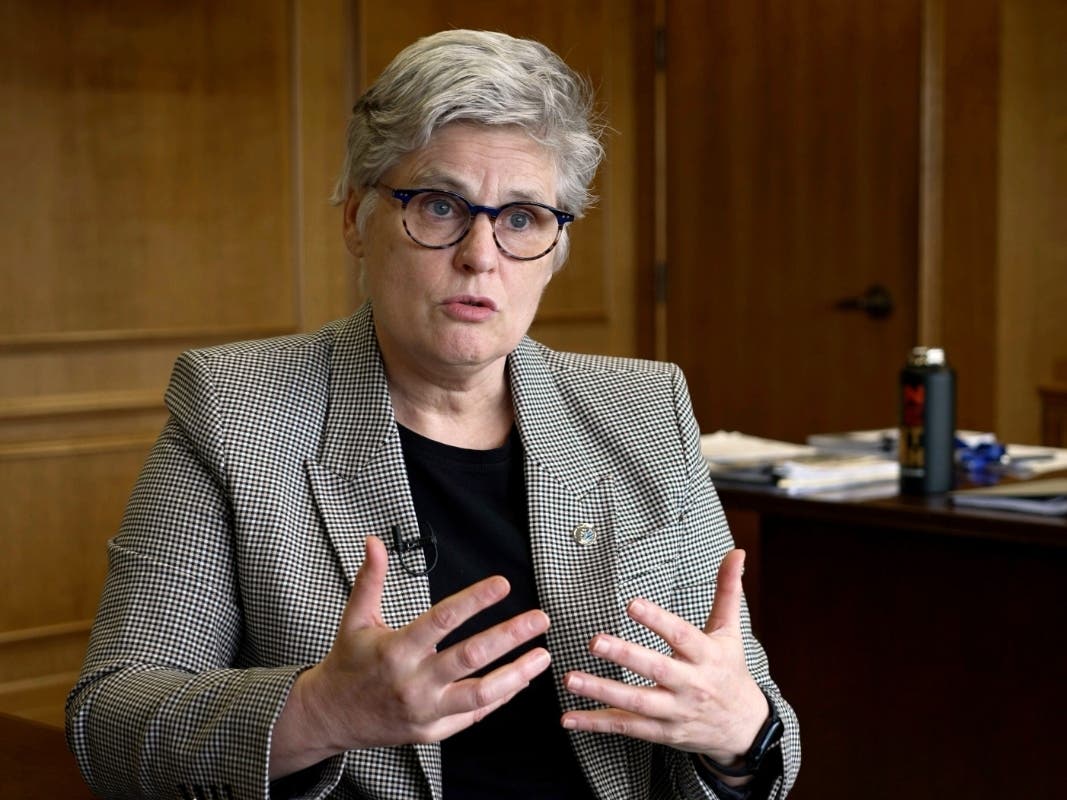
Dr. David Systrom, pulmonologist and critical care physician at Brigham and Women’s Hospital in Boston and an associate professor at Harvard Medical School, said Floyd's chances of survival also would have doubled or tripled if officers had performed CPR when his heart stopped, AP reported.
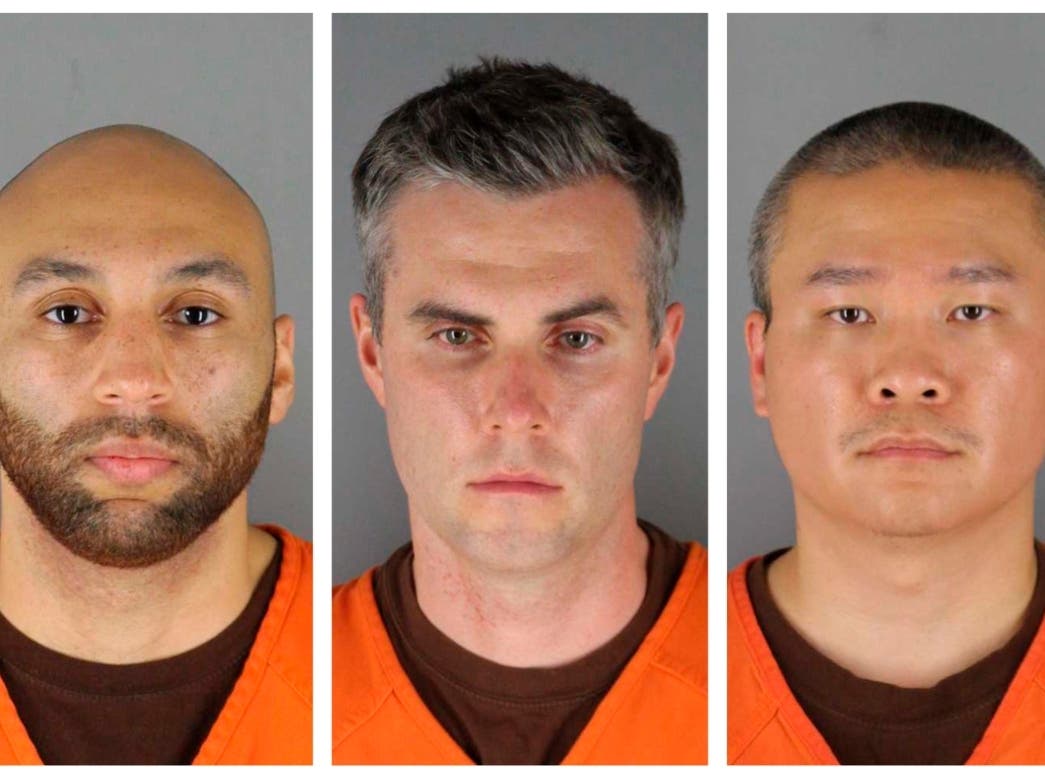
Systrom's testimony was delivered during the federal trial of three former Minneapolis police officers involved in Floyd's killing.
Find out what's happening in Minneapolisfor free with the latest updates from Patch.
Last April, former officer Derek Chauvin was convicted in state court of second-degree unintentional murder, third-degree murder and second-degree manslaughter in the killing of Floyd in May of 2020. He pleaded guilty in December to federal charges of violating the 46-year-old Floyd's civil rights.
J. Alexander Kueng, Thomas Lane and Tou Thao, the other officers at the scene, now are on trial in federal court, charged with willfully depriving Floyd of his constitutional rights when they failed to give him medical aid when Chauvin knelt on Floyd's neck for 9 1/2 minutes. Kueng and Thao also are accused of willfully failing to intervene to stop Chauvin's use of unreasonable force.
Find out what's happening in Minneapolisfor free with the latest updates from Patch.
The trial resumed Monday after being halted last Wednesday when one of the defendants tested positive for COVID-19.
According to Systrom's testimony, Floyd died because his upper airway was compressed by Chauvin's knee, while his position on the asphalt —held down by two other officers with his hands cuffed behind his back —did not allow his lungs to expand.
This, Systrom said, restricted the flow of oxygen to Floyd and raised carbon dioxide levels in his body.
According to testimony, in addition to Chauvin's actions, Kueng knelt on Floyd's back and Lane held his legs while Thao kept bystanders back, the AP reported.
Systrom testified that video from Kueng's body camera showed him holding Floyd's wrist, while pressing down on Floyd's back.
Meanwhile, in the video from Lane's body camera, Systrom said it appeared that Kueng's knee was putting pressure on Floyd's abdomen.
When asked if Floyd would have died without the pressure Kueng applied, Systrom responded that: "it's difficult to know."
Systrom also said that Lane's hold of Floyd's legs likely restricted Floyd's ability to get into a position to breathe properly.
Simply removing the pressure on Floyd's upper airway or letting Floyd sit up could have prevented Floyd from losing consciousness, Systrom testified.
Prosecutors then asked Systrom about Floyd's chances of survival if police had started CPR after Floyd went into cardiac arrest.
"(Floyd's chances of survival) would have doubled or tripled," Systrom said.
Last week, Hennepin County Medical Examiner Dr. Andrew Baker testified that Floyd died after police "subdual, restraint and neck compression" caused his heart and lungs to stop, the AP reported.
Baker said Floyd had heart disease and there was evidence of drug use, but those were not "top line" causes of his death.
Systrom said that Floyd did not die of his coronary artery disease or hypertension, and there was no evidence of a heart attack.
"Would (Floyd) have died of heart disease on that day if not for the officers' restraint? A definitive no," Systrom said.
Get more local news delivered straight to your inbox. Sign up for free Patch newsletters and alerts.