Schools
Keeping Minnetonka's Kids Off Drugs and Alcohol
Hundreds of local parents packed the high school auditorium to learn sobering facts about teen addiction.



“It’s the hope and desire of every parent that their child stay off drugs,” Minnetonka Schools Superintendent Dr. Dennis Peterson recently told Minnetonka Patch.
TonkaCARES, along with former U.S. Rep. Jim Ramstad, a Republican from Minnesota's Third District, recently held a town hall meeting with the foremost expert on teenagers and addiction—Joseph A. Califano, former Secretary of Health and Human Services and founder and chairman of The National Center on Addiction and Substance Abuse at Columbia University.
Hundreds of local parents packed the auditorium as Califano detailed information on teen addiction from his latest book,
Find out what's happening in Minnetonkafor free with the latest updates from Patch.
The following are pulled from that hour-long presentation. Numbers and statistics represent national data, not Minnetonka based studies:
1. Talk Early and Often
Find out what's happening in Minnetonkafor free with the latest updates from Patch.
A child who gets to age 21 without smoking, using drugs or abusing alcohol is virtually certain never to do so. Children who drink before age 15 are four times more likely to become alcoholics than those who don’t drink before age 21. Also, 90 percent of adult smokers started smoking as teenagers. Parents are encouraged to talk openly with their children about the dangers of alcohol and drug abuse.
2. Understand The Teenage Brain
Teens are more vulnerable to addiction because the teenage brain is different than the adult brain. The areas of a teen brain that are responsible for weighing consequences, decision making, and impulse control aren’t fully developed. Also, the teenage brain learns to become addicted more quickly than the adult brain.
3. Understand The Teenage World
Drugs and alcohol are ever-present in the teenage world. Every child will be offered drugs before graduating from high school and most will get such offers on numerous occasions. Drugs are used, kept and sold at most high schools, and one-third of middle schools. Also, one in five TV alcohol ads is placed on programming geared to 12- to 20- year olds. Califano told Minnetonka parents: "These substances are available to your kids, believe me."
4. Teen Binge Drinking
Although teenagers drink less frequently than adults, when they do drink, teenagers tend to drink more heavily than adults. In fact, one in three high school seniors admits to binge drinking at least once a month.
5. Marijuana is Present and is Dangerous
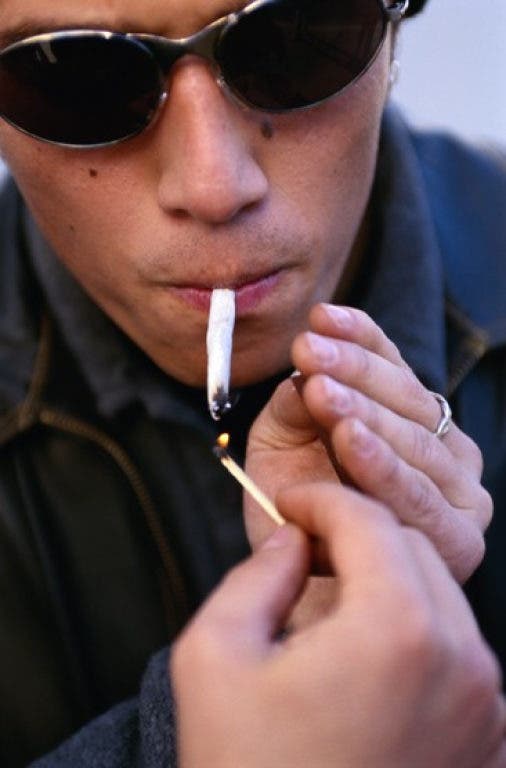
One in four high school seniors use marijuana at least once a month. One in twenty high school seniors use marijuana daily. However, there is a growing misconception among teens that marijuana is not dangerous. Parents are encouraged to talk to kids about the dangers of marijuana. "Marijuana is a dangerous drug," Califano said.
6. Danger Zone: Family Medicine Cabinet
Prescription drugs are the fourth most commonly abused substance among teens and one-third of kids who abuse prescription drugs get the drugs from a parent. Monitor the family medicine cabinet and be aware that prescription drugs are easily accessible.
7. Parents Have Power
Parents are the most important factors in a child's life. Parents have the power to nourish in children the will, skills, and strength to choose not to use. Parents are encouraged to be engaged with their children.
8. Tips for Parental Engagement
- Be there
- Open the lines of communication
- Set a good example
- Set rules and expect your children to follow them
- Monitor your child’s whereabouts
- Maintain family rituals, such as eating dinner together
- Incorporate religion and spirituality into family life
- Get dads engaged
- Engage the larger “family”
9. Know the Warning Sings of Teen Drug/Alcohol Abuse
- Borrowing or stealing money
- Dropping old friends and getting new ones
- Dropping activities such as sports
- Increased secrecy
- Missing or skipping school
- Declining grades
- Depression
- Constant discipline problems
- Sudden, frequent mood swings
- Chronic restlessness
- Difficulty concentrating
- Aggressiveness
- Irritability
- Sleeping too much or too little
10. Be a Parent, Not a Pal
Parents must set rules, expect children to follow them and institute consequences when the rules are broken. When parents are not present at teenage parties, marijuana is 29 times more likely to be available, alcohol is 16 times more likely to be available, and drugs (including marijuana, cocaine, Ecstasy and prescription drugs) are 15 times more likely to be available. Because it’s vital to teach children limits, be a child’s parent, not their pal.
Get more local news delivered straight to your inbox. Sign up for free Patch newsletters and alerts.