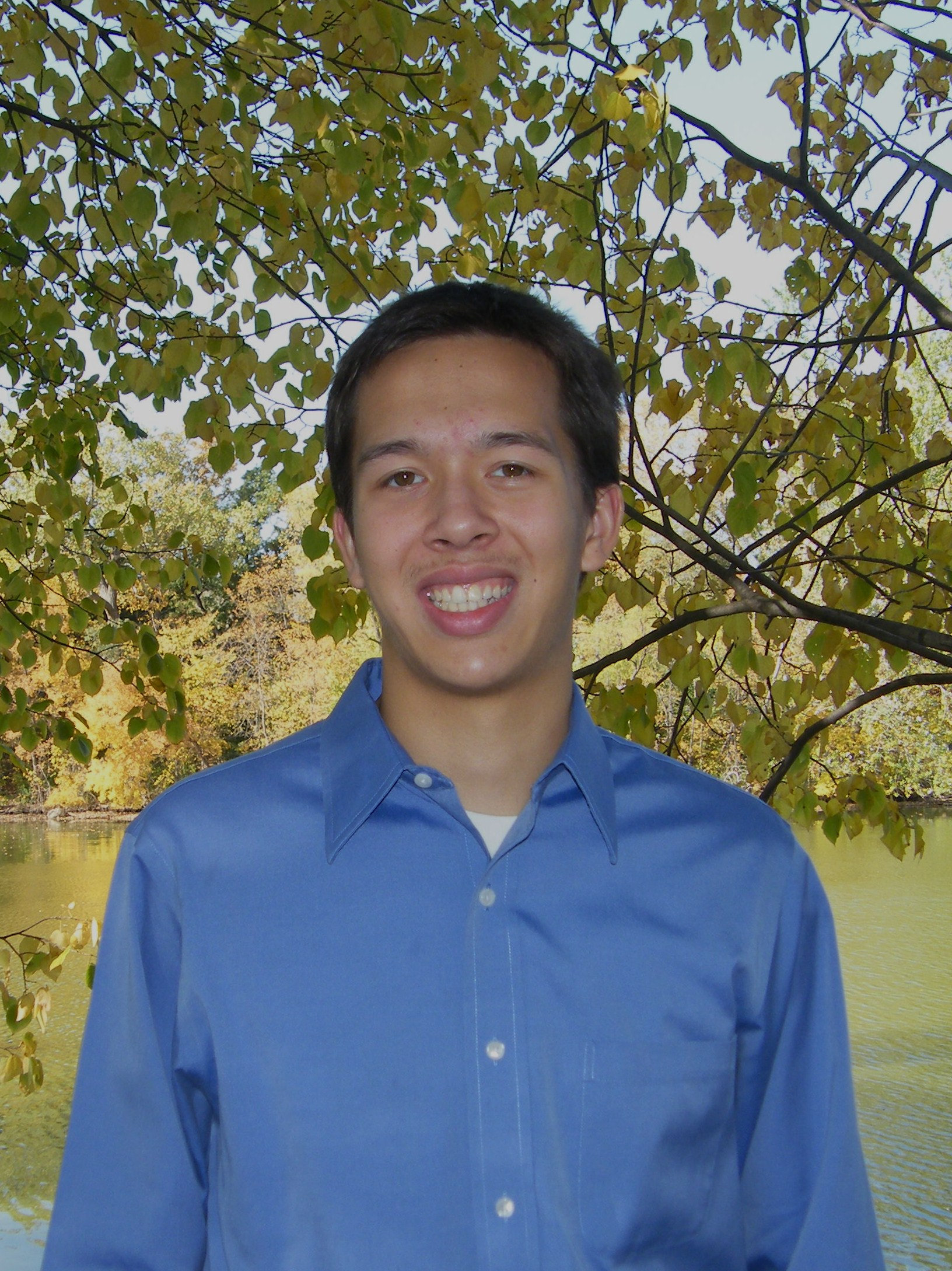
At Baylor Medical Center in Houston this summer, 18-year old Justin Bader, fresh out of high school, will be conducting cancer research alongside doctors and scientists. “The lab is genetically engineering human T-cells so that they can better detect and attack tumors,” says Bader. And he knows a bit about cells and tumors: for the past year, he has been working in a lab at the University of Minnesota, extracting and sequencing DNA from lung tumors generated in mice. Bader and other researchers at the U of MN lab hope to develop a mouse cancer model to imitate human lung cancer. Bader will take his considerable experience and intellect to MIT in Boston this fall, where he plans to follow the premed track and study chemical engineering.
Bader’s achievement mindset was honed over years of competitive sports. He has played hockey since he was six, and in high school he balanced rigorous academics with varsity football, hockey, and track.
In tenth grade, he shifted his focus and decided to aim for National AP Scholar and see where his talent for math and science could take him, bringing the intense focus and discipline of a top tier athlete to his academics. National AP Scholar designation is awarded to less than 1% of students in the nation: students who take eight or more AP tests and score at least a four (out of five) on all tests. Fueled by drive and a healthy diet – he had given up sugar, pop, and chips to condition his body for sports—he took dozens of practice tests and studied the Barron’s test prep books. By the end of his junior year, Bader had taken ten AP tests—and, along with four other Minnetonka students, achieved his goal of being named a National AP Scholar.
Though MIT does not award college credit for AP classes, unlike most universities, Bader feels that his challenging course load at Minnetonka has paid off in depth of learning and preparation for Ivy League studies. If he were to attend U of MN, his AP credits and senior year studies would allow him to graduate in less than two years. “But it is not about rushing through,” he says. “It is about understanding.”
As he reflects on high school and even his work in cancer research, preparing for the future and making the most of time are recurring themes. He appreciates teachers who challenged him to push harder and make the most of his talents. Tim Kokesh teaches AP Chemistry, a rigorous sophomore class, and Bader says he “inspired me to take it up to the next level.”
Find out what's happening in Minnetonkafor free with the latest updates from Patch.
By his senior year, he had taken on tremendous academic challenges, and Bader’s time management skills were pushed to the limit. He decided to study full-time at the University of MN, enrolling in upper level courses like Quantum Mechanics and Organic Chemistry. He continued his work at the colon and lung cancer research lab, carefully measuring elixirs for PCR (a DNA replicating technique) and performing mice necropsies after school, instead of suiting up for football and hockey. Bader continues to run track, and as one of the captains, he is headed back to state with the 4 x 200 relay team. Last year, he performed well at the state meet as a member of two relay teams, placing third in the 4 x400 and fourth in the 4 x 200.
Sprinting around a track with peers is one of the few remaining vestiges of typical high school life for Justin. These days, he’s deeply invested in his role in making the future better for cancer patients. At the University of Minnesota Colon and Lung Cancer Research lab, he works with professors, post-docs in biology, and a few undergrads. Bader has learned how to examine the five lobes of the mouse’s lungs, searching for tumors and carefully plotting genetic mutations. While the U of MN research focuses on how tumors develop in the first place, with hopes of stopping them before they start, the Baylor lab where he will work over the summer looks at ways to prevent existing tumors from growing more by working with the T-cells, blood cells that protect the body from infection and disease. “The lab engineers human T-cells to contain ‘weapons’ that can sense where the tumors are,” Bader says, noting that cancer cells are constantly changing to disguise their true natures.
Find out what's happening in Minnetonkafor free with the latest updates from Patch.
By nature, Bader wants to make the most of the present. While he enjoys an occasional card game with friends and still has fun playing sports, he thinks often of how he can pack the most studying and learning into each day. As a lifelong athlete and stellar student, he has learned something important about achievement: “It is all your attitude, and your willingness to put in the effort. Anyone can do well if they are willing to work for it.” Looking far ahead, Bader says his long-term goal is to attend Harvard Medical School and become a heart or brain surgeon.
Written by Maggie Shea