Politics & Government
City: Minnetonka Drinking Water Safe
Trace contaminates were found, but levels were within environmental standards.

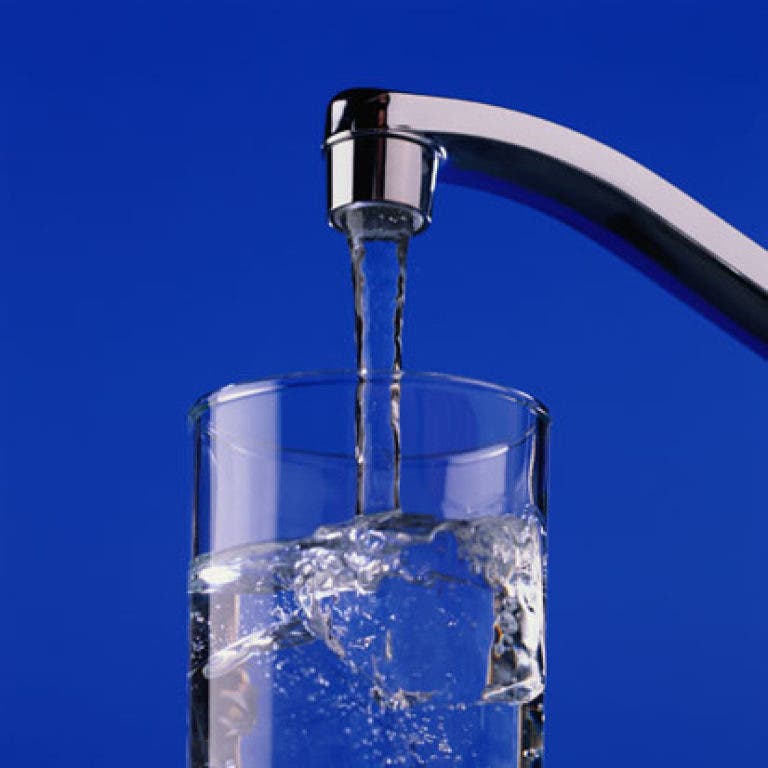
Minnetonka’s drinking water is safe—that’s the news out this week from the city’s annual report on local drinking water.
“The quality of the city’s water is excellent [and] has no harmful bacteria or contaminants that exceed accepted standards,” said Minnetonka Spokesperson Jacque Larson.
While lead, copper, radon and other contaminants were detected in trace amounts, none were detected at levels violating federal drinking water standards.
Find out what's happening in Minnetonkafor free with the latest updates from Patch.
Larson says the city has “absolutely no” health concerns and that it's reasonable for drinking water, including bottled water, to contain at least small amounts of some contaminants.
The city of Minnetonka provides drinking water to its residents from 18 wells that draw from the Prairie du Chien-Jordan aquifer, at depths from 405 to 575 feet.
Find out what's happening in Minnetonkafor free with the latest updates from Patch.
Throughout 2010, crews from gathered samples of the city's drinking water and tested, as mandated by the Environmental Protections Agency, for a laundry list of contaminates. While lead was found in some of the 30 water sample sites around the city, the average of those finds was just 1.2 parts per billion. The maximum amount of lead allowable by the EPA in municipal drinking water is 15 parts per billion.
Minnetonka’s drinking water was found to be just under the acceptable federal level for copper. The city found 1.21 parts per million; the federal limit is 1.3 parts per million. According to the city, copper usually finds its way into the public drinking water supply through the corrosion of household plumbing systems.
Radon, a radioactive gas linked to lung and stomach cancers, was also found in trace amounts well below federal limits.
The city has published an annual drinking water report for 13 years. City officials hope that as locals better understand municipal drinking water, they will also become more aware of the need to protect it as a precious water resource.
“The message is that our tap water is really safe and it’s far cheaper than bottled water,” Larson said. “We hope people will drink city water.”
***
"Like" Minnetonka Patch on facebook, by clicking here.
Get more local news delivered straight to your inbox. Sign up for free Patch newsletters and alerts.