Health & Fitness
Beyond Hosta: Gardening in the Shade
Little trees grow up, and eventually, most gardeners end up with shade. What are your favorite shade plants?


As your landscape and garden mature, the likelihood that you will be gardening in shade increases. This year, I am remaking one of my garden beds to accommodate its increasingly shady nature.
I've planted a few hostas, of course, because they are pretty, easy to grow and available in hundreds of varieties from tiny, ‘Blue Mouse Ears’, to the large, chartreuse ‘Sum and Substance’. But as wonderful as they are, hostas are only the beginning of the plant choices for shade gardeners. With a little planning, you can create a shade garden filled with interesting leaf shapes and bright blooms.
Types of Shade
Find out what's happening in Northfieldfor free with the latest updates from Patch.
When you choose plants for a shady spot, consider what kind of shade you have. If deciduous trees provide most of the shade, your shade garden may be full to part sun in the spring. This is certainly the case in my yard, where a late-to-leaf-out ash means part of the garden is pretty sunny right into May.
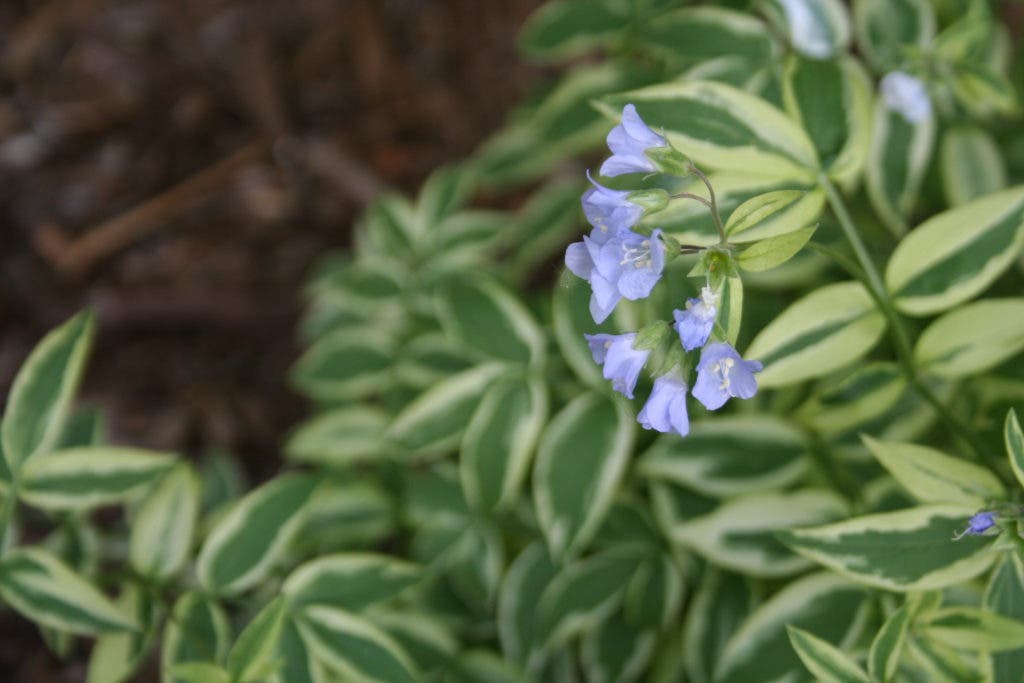
Seasonal shade areas can grow many spring bulbs and early blooming perennials, such as daffodils, hardy geraniums or daylilies, if you get 4 hours of sun or more in the bed. These situations are also perfect for plants like Jacob’s ladder (Polemonium), which is blooming now but will likely fade in the heat of summer. ‘Stairway to Heaven’ Jacob’s ladder has delicate blue flowers and variegated leaves that light up a shade bed in late spring.
Find out what's happening in Northfieldfor free with the latest updates from Patch.
Depending on the canopy above, you may also get dappled shade – where the light is less intense but still bright. A great choice for dappled shade are Martagon lilies, a tough plant with whorled leaves and down-facing blooms. These a stunners in mid-June into July.
Many woodland plants also do well in dappled shade, such as groundcovers like wild ginger or ajuga or ferns. Some shrubs also like less intense light. In my newly shaded bed, I've planted serviceberry, a few yews and chokeberry -- all of which are fairly tolerant of shade. The Northern Lights series of azaleas perform well in shady areas and come in several flower colors.
Part shade or dappled shade choices for shorter plants are abundant. ‘Jack Frost’ brunnera with its deeply veined silver leaves looks like stained glass in a dark corner. Many shade gardeners love astilbe for its fernlike foliage and flower plumes in shade of red, pink and white, but this also requires a fairly moist site. Of course, annuals like coleus and impatiens can create swaths of bloom or leaf color in even deeply shaded areas.
If you have full shade – less than 3 hours a day – choices are a bit more limited, especially for taller plants. A favorite tall shade plant among northern gardeners is Ligularia, especially the huge variety called ‘The Rocket’, with its hand-sized leaves and tall yellow bottlebrush flowers. It likes moist conditions and thrives under tall evergreens. I'm also trying bugbane or cimicifuga (Actaea racemosa), which has a very textural leaf and tall flower spikes.
Whether your garden challenge is shade or alkaline soil or too much moisture, you might want to pick up the book by University of Minnesota Extension Master Gardeners, The Best Plants for 30 Tough Sites, which is available as a free download.