Health & Fitness
Dog Park Etiquette
Dog Parks are there for the enjoyment of all. Be a good citizen and a good neighbor - responsibility should be mandatory.
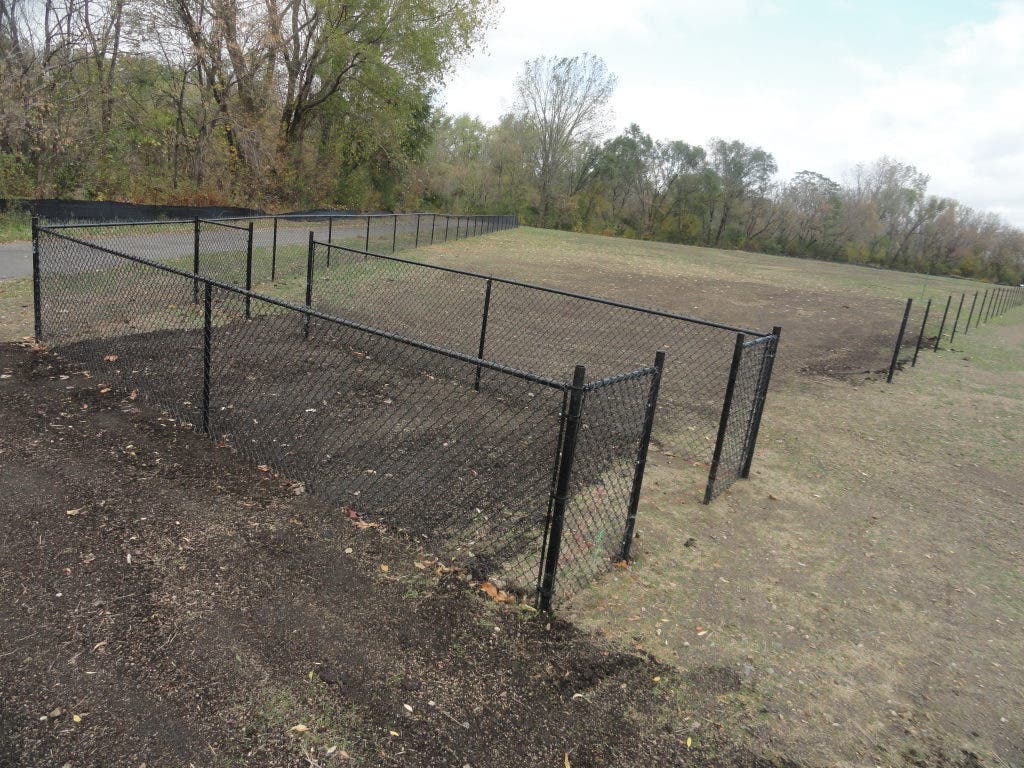
We have had a mild winter and it has been easier to get out and about.We all enjoy getting out in the fresh air, stretching our legs, getting back into shape, and this includes our four legged canine friends. Where should we go on this lovely day? How about the dog park.
More and more cities and towns are setting aside areas for dog parks. It's a place where owners can let their dogs off leash and the dogs can run, romp, and follow all those interesting scents. Owners who use dog parks say they are great. However, there is always the down side. It goes without saying - but I'll say it anyway - irresponsible canine owners can ruin a nice afternoon for anyone.
Dog Parks are NOT babysitters for your pooch. You have a couple of errands to run, so you drop your dog off at the park. This won't take long. You'll be right back. Your dog gets exercise and you get your errands done. Do you realize how irresponsible that is?
Be sure to take your dog’s temperament into consideration and don’t assume he is going to have a good time. Are you prepared to watch your dog’s demeanor and make an informed judgment about how happy he is to be there. Some dogs have no desire to play, yet will love to sniff all the bushes and trees; other dogs will be thrilled to race another dog from one end of the park to the other. Both of these dogs can benefit from the dog park – they just enjoy it in different ways.
You need to understand the personality, characteristics of your dog and mold your expectations around that understanding. If your dog has exhibited aggressive, or any other inappropriate behavior(s), it is incumbent upon you to (1) not take your dog to the park or (2) take the necessary steps to teach your dog how to behave appropriately in a social setting. It is a task well worth the time needed to change your dog’s attitude.
For a dog to be well balanced, starting at puppy hood is ideal. However, many of us choose to adopt or rescue an older dog. They probably come with baggage which they cannot communicate to us. Improper, harsh and abusive training methods, or no training at all, can turn any dog into an aggressive anti-social, danger to society. We should know the life history of our pet but we don't always. Life history goes beyond what is written on a pet profile. If you haven't raised this dog since it was a puppy, there is no way to be sure. Error on the safe side and go slowly.
Puppy socialization classes starting at 8-12 weeks of age have done young Fidos a lot of good. They have learned that other puppies of different sizes and breeds are nothing to fear. And that a yelp or a stare or a lift of the lip all mean the same thing -- go away.
Even with puppy class, social skills may not be complete. Some still don't learn the proper way to play and greet. Some outgoing dogs are overly friendly. They think that every dog is glad to see them. They don't know that you don't just go running up to another dog. Why not? A forceful hello is a huge etiquette faux pas. A shy dog will take it as a threat. He may run if he can or learn to growl and lunge to protect himself. Even a confident, mature dog can loose his cool.
This may sound strange to those who think that pooches should be friendly all the time, just like well-socialized people should. But imagine this, you're walking down the street by yourself at night when suddenly someone you don't know comes running up to you full speed shouting and bouncing up and down in front of you. Or even worse, he hugs you and kisses you on the cheek. Regardless of this person's intentions, at least some of you would be fearful or irritated enough to fend him off. Or worse, imagine you're a preschooler going to a new school on the first day, and as soon as you enter the yard a mob of shouting kids surround you. Some youngsters might take this greeting in stride while others may be traumatized.
For the slightly fearful youngster or adult Fido, all is not lost. You can teach Fido that good things happen to him when he's around other dogs. Have him perform alternate fun games where he focuses on you when other dogs are near. Some fearful dogs will first have to practice just with calm, friendly dogs in a safe, quiet setting before they even get near a dog park. For others, the dog park is still okay, except when there are bullies, or dogs who keep coming uncomfortably close or too many dogs at play. Choose a time when only a few polite, respectful dogs are sharing the park. Then keep your dog's attention by interacting with him.
Dogs, being social, group animals have an intricate way of communicating with one another. Through a series of facial expressions, ear, tail, head positions, eye and mouth position, they are able to communicate and read the intentions of one another.
The problem is that not all dogs are good at speaking or reading their own language. Many are socially inept and can be rude or even down right mean. When dogs don’t speak "dog" and don’t play well with others, it’s usually for one or a combination of three reasons: genetics, learned behavior, or poor socialization.
When your dog is greeting another dog be aware of both of the dogs' demeanors. Friendly postures generally involve the dog making him or herself "smaller" relative to the other dog. This, along with other physical posturing, serves to decrease their potential threat to others. Dogs exhibiting passive submission tend to have an averted gaze, lower their neck and ears, lick, groom and paw.
Not so friendly greetings involve the dog making itself appear larger. Erect stance, head up, ears forward, tail up (possibly flicking tip), piloerection (hair up on neck/back, puffed tail hair), direct stare (pupils may or may not be dilated), raised lips, low tone growl, snapping, etc. There are some agnostic behaviors that are considered normal but may not be well received by some dogs, such as, mounting, chasing, pinning and the like.
Introduce your dogs to other dogs gradually - allow your dog to greet other dogs while he is still in the separate entry area available at some parks, or let your dogs sniff around the fenced boundary.
A lack proper socialization is the most common reason for dogs not getting along with others. If you keep your dog isolated or only expose him to limited environments, you run the risk of your dog developing anti-social, aggressive or fearful behavior. You, as your dog’s owner, shouldn’t forget common sense or your responsibility for your dog’s behavior. You cannot control other people’s dogs but you certainly should be able to control your own. Don’t confuse control with punishment. You don’t need to be a dictator with your dog. You can give him as much slack as you want, but when you say "enough" the dog needs to know that you mean it. A well-mannered dog is one who does what you want him to do when you want him to do it. Controlling through intimidation doesn’t work any better with dogs than with children.
Since aggressive behavior at the dog park cannot be avoided completely, going to the dog park is always a risk. Dog whisperer Cesar Millan and author Jon Katz say dog parks are disasters waiting to happen. There are just too many unbalanced, nervous, excited dogs together. None of the rules are enforced. Add to this mix, the irresponsible owners.
What are the posted rules and do you plan on following them? Contact law enforcement to see if there have been incidents there and when they get involved. Have veterinary emergency information handy for your dog such as a shot record. Program your dog’s vet number into your phone. Know the hours of the vet’s office and where the local animal ER is located. You never know when an emergency will occur. It's better to be prepared just in case.
Before going to a dog park, it only seems logical that your pet would be socialized, have some obedience training, be spayed or neutered, be fully vaccinated, AND BE IN YOUR SIGHT AT ALL TIMES. That doesn't seem too difficult does it? Well, guess again.
And, when something goes haywire, the dog is held accountable. It's the owner that needs correction and behavior modification!
Don’t ever bring a dog that is under 4 months of age.
Don't take sensitive dogs to an enclosed dog park -- take your dog to a place that he enjoys.
Find out what's happening in Northfieldfor free with the latest updates from Patch.
Consult your veterinarian about your dog’s overall health before going to a dog park.
Observe the dogs in the dog park to see if there are any potential health or behavior problems.
Find out what's happening in Northfieldfor free with the latest updates from Patch.
Don't bring your sick dog to a dog park. It's just common sense but people will bring a dog who's currently suffering from kennel cough, fleas, mange, or other health problem.
Control your own dog.
Walk your dog at least 30 minutes before going to the dog park. This can help rid them of pent up energy. The dogs that enter the dog park in an excited state of mind are the ones most likely to be challenged by a dominant dog. Practice entering and exiting the park with your dog under control and practice the recall so your dog will come in all situations.
Be careful entering a dog park gate. Other dogs tend to crowd around to greet arriving dogs. This jostling and crowding can be quite intimidating to many dogs and may result in a skirmish, or worse.
Keep your dog in the appropriate area for his size. Most dog parks are divided into at least two sections, based on the size of the dogs. Certain dogs see small animals as prey. Dogs chase squirrels and rabbits all the time, for example. Really, could you blame a lab mix for mistaking a Chihuahua for a rodent?
Remember all animals are unpredictable. Even yours!
Have realistic expectations about your dog's suitability for going to a dog park. If he isn't polite or friendly with others, get help to change his behavior before you take him to a dog park. Dog parks are not a place to rehabilitate fearful or aggressive dogs or those that just don't know how to play well with others.
Spend a few minutes watching the other dogs and how they are playing and interacting with others. If the dogs seem to be too rough in their play or are intimidating other dogs, come back some other time. Be smart - it's the safer decision.
If your dog has never been around other dogs before - don't go into a dog park until he has had a chance to be around other dogs in other situations so you have a better idea of how he reacts to other dogs.
As with humans, some dogs just don't know how to say "HI". So, you, the owner, must be on the lookout. When your dog is greeting another dog be aware of both of the dogs' demeanors. Friendly postures generally involve the dog making him or herself "smaller" relative to the other dog. This, along with other physical posturing, serves to decrease their potential threat to others. Dogs exhibiting passive submission tend to have an averted gaze, lower their neck and ears, lick, groom and paw.
If owners were watching, they might notice something surprising: poor social skills. Unbeknownst to some owners, dogs don't instinctively know how to behave in groups any more than kids know how to act at fancy dinner parties. They learn their code of conduct through interactions when young. Unfortunately, many miss the early lessons and have trouble catching up. While other dogs their age know when a look means back off, these naive newbie's think everything is fair game. They tail terriers who want their own space and harass hounds by getting in their face.
Supervise your dog. This is not the time for you to be distracted talking with other owners or buying yourself a book. You MUST be monitoring your dog's activities to be sure he isn't behaving badly and other dogs are not behaving badly toward him. If this happens, leave the park immediately. More training and socialization is necessary. This is another reason not to take young children. You can't adequately supervise both dogs and kids at the same time. Let's be honest and realistic in our abilities.
Learn dog body language. Learn to recognize stress, tension, fear, play, threats and aggression. Learn the difference between play and real threats. Learn when to intervene and when to stay out of an interaction among dogs. Harm can come to your dog if you under-react as well as over-react.
While dog parks are ace playgrounds for Rovers to romp and Spots to socialize, without proper supervision, squabbles can break out. Luckily physical injury is relatively rare, but sometimes the damage delves deeper than skin. A few bad experiences in an impressionable pooch can progress to a lifelong fear of other Fidos.
So what's responsible for these fun-spoiling spats? Most often the owners on the "snore". Owners need to watch the behavior of their dogs and of the other dogs. Instead, they often stand in one area and chat, and while they're not watching, their dogs get into trouble.
Be watchful of small dogs around big dogs. Don't let big dogs frighten or threaten small dogs. Aggression between big and small dogs is especially likely to result in injuries to the small dog.
Pick up after your dog. You don't want to step in another dog's poop anymore than someone else wants to step in your dog's mess.
Avoid grabbing your dog's collar when your dog is playing or interacting with other dogs. Such tugging can sometimes trigger threats and aggression toward nearby dogs.
Have your cell phone programmed with local law enforcement. Report individuals with dogs that are dangerous to dogs or other people and to report dogs left unattended by their owners. This includes owners who sit in their vehicles or outside the park while their dog is playing.
Never bring or use treats and toys when other dogs are nearby
Even if you think your dog is perfect, other dogs are not. Sometimes it just takes a scuffle between two dogs to cause all the dogs to join in on the excitement. In general to help prevent problems be sure to avoid standing in a clump which causes all the dogs to hang around looking for something better to do and to play in a small area which often leads to too many excited interactions. Instead, walk around the park randomly. By moving around and engaging your pooch, your dog's learning that the park is a great place to bond and focus on you rather than a place to just blow you off and play with his more interesting friends.
When you notice potential problem dogs and situations move off to the side or walk faster to keep your dog's attention and move further away. If everyone takes all the precautions you'll keep your Fido from becoming overly aroused and rude. You'll also help keep him from being the object of exuberant but pushy pups. As a result, you'll see peaceful play and your friends will think you have a perfect playground pooch.
Be Responsible For Your Dog's Behaviour: If your dog digs a hole, be responsible, and fill it back in. If he can not play nicely with other dogs on that day, then TAKE HIM HOME!
Don’t bring more than two or maybe three dogs. You may not have full control over them. It’s hard enough for many people to watch one dog!
Keep your dog on-leash until you get to the off-leash area. This is not just respectful to other park users, it’s much safer for your dog.
Close all doors to the dog park or dog run after entering or exiting.
Always keep your eye on your dog - mischief can happen quickly.
Help educate other park users. We may not like what we see, and may not want to say anything. Allowing bad behavior on the part of the owner and/or their pets, is unsafe for all involved.
Remove any halters, metal choke chains or link collars. In the rough and tumble play, a tooth or nail could get caught in this type of collar, resulting in a scared dog, lost tooth or broken nail and possibly a panic fight.
Know what you will do if a dog fight does occur. Educate yourself. Seek out professional advice. Most of the time when dogs appear to be fighting, they are just playing roughly or working out who is the dominant one. It usually sounds worse than it is and neither dog gets hurt. But when one dog attacks another dog and it escalates, what will you do? Possible tools: "Direct Stop" is a harmless effective citronella spray or canned air horn. These may help break up a fight but don't rely on it totally. Dogs is a fight are focused and all else is tuned out.
Don’t smoke or eat while at the dog park. Cigarette butts and food wrappers are tempting treats to dogs, but bad for them.
Children - Bring them to the dog park only if you absolutely must. NEVER allow your child to approach or pet a dog without the owner's permission and presence. Children are easily run over and knocked down by running dogs. Some herding breeds may nip at kids in an attempt to round them up. A running, yelling child attracts attention and becomes a target for many dogs because he resembles an injured animal or running prey. Do not allow your child to wildly wave his arms around.
NEVER let a child bring food or toys to the park. Even a friendly dog may go after a treat. One adult to supervise several children and the family dog is not enough. Make sure that you can take care of everyone you bring with you.
Children must be closely supervised by an adult; this means keeping them within your arm's reach. Note to parents of infants: some dogs may jump to investigate babies in front or back packs. While most are merely curious and friendly, some have strong prey instincts and may mistake the baby for a small injured animal.
Do NOT take small children or babies in strollers to a dog park. Dogs and children can easily frighten one another and bad things can happen to either of them in the blink of an eye. Children under 10 are to be directly supervised by an adult at all times. Understand that running, jumping, and yelling can excite dogs and that can lead to nipping.
There are many good reasons to keep children out of off-leash dog parks, and no good reasons to bring them in. The possibilities for accidents are staggering. Be a responsible parent, and keep your small children in the parks designed for them. If you must bring children to a dog park, supervise them closely.
A visit to the park should be an enjoyable experience for everyone. One reason for development of this area was to provide a space away from park playgrounds and playing fields where dogs could be free to run without disrupting families with children. You may bring your kids to the park, but please be aware that the very fact that there is a pack of dogs running around changes the dynamics a bit. Not all dogs in the park have children in their homes. Some of them have not been exposed to kids, or may even simply not like them.
Dog parks aren’t a right, they’re a privilege. – please don’t let bad behavior ruin things for everyone else.
Finally, recognize that by taking your dog to a dog park, you are accepting a degree of risk. Don't be naive and think that a dog park is a safe place. This may not always be the case.
Why not seek the advice of a dog behavior specialist. Set up educational meetings at the library, community education facility etc. regarding dog park etiquette. There are spaces available for community education. It takes someone to get the ball rolling and follow it through.
If you take the time to be an informed dog owner, you will be able to judge for yourself if the situation you and your dog are in is a good situation – so, have fun at the dog park and get yourself a pooper scooper!
Resources & References Used:
Association of Dog Trainers / Sophia Yen: Dog Park Etiquette / Pet Tales, San Francisco Chronicle / DogPark.Com / ABOUT.com, Dogs / Alameda Small Dogs /
Minnesota Wisconsin Collie Rescue / Cesar Millan / That Mutt.com / Dr. Nicholas Dodman / Trish King, behavior consultant.