Politics & Government
Northfield: A Green Place to Live
City's involvement with GreenStep Cities program encourages sustainability efforts.
What makes a city “green?”
Transportation options other than cars? Opportunities to buy locally grown produce? Energy-efficient lights in city hall and all over town? Yes, yes and yes, according to GreenStep Cities, a project of the Minnesota Pollution Control Agency.
Northfield is one of 22 Minnesota cities participating in the program, which sets out 28 “best practices” for cities to pursue in order to reduce the negative environmental effects of the city and its residents.
Find out what's happening in Northfieldfor free with the latest updates from Patch.
The GreenStep program provides cities with high-impact goals and recognition for the efforts they make.
The Northfield City Council on Tuesday requested staff, boards and commissions to incorporate the goals of the GreenStep Cities program into their work plan. Council also requested the city to apply for a GreenCorp volunteer and asked for quarterly progress reports for the program.
Find out what's happening in Northfieldfor free with the latest updates from Patch.
The motion passed 6-1, with Councilor Rhonda Pownell dissenting. She said she felt the program should be a reference, instead of a guide for everything the city does.
"I'm not comfortable at this point moving this program ahead so aggressively," Pownell said.
Buses and Farmers Markets
While cities usually join the program through governmental agencies, governments do not control the items that make a city green, noted Northfield Councilor Erica Zweifel, a one-time member of the city’s Environmental Quality Commission and a proponent of the program.
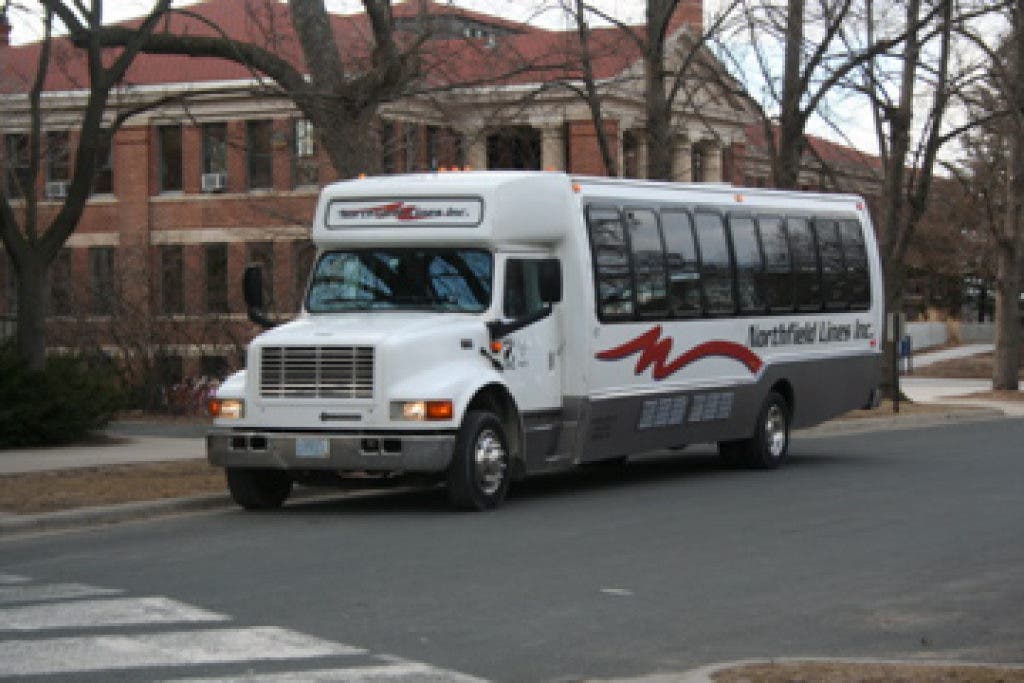
For instance, Northfield gets green-points for the Metro Express bus service run by Northfield Lines, Inc., which transported 20,000 riders from Northfield to the Twin Cities and back in its first year of operation.
The “Be Local, Buy Local” program of the Northfield Chamber of Commerce and the Northfield Downtown Development Corp. also fulfills one best practice (green business development) under the program as does the Riverwalk Market Fair (local food access) held Saturdays from June to October.
“That’s the great thing about the GreenStep site,” said Zweifel, “it does not have to be government driven.”
Northfield has currently met five of the 28 benchmarks in some way, including those for having a recently approved Comprehensive Plan for the city and participating in the Minnesota Energy Challenge, which asks organizations, businesses and individuals to reduce their energy consumption through small actions such as using less air conditioning and drying laundry outdoors. This qualifies the city as a Step 1 (of four) city.
Best Practices
The 28 best practices fall into five broad categories: buildings and lighting, land use, transportation, environment management and economic and community development. The practices set out areas in which significant, positive environmental effects can be achieved and gives city leaders and staff an idea of the time and money typically required to reach each of the goals.
Best practices range from the simple, such as participating in state- or utility-run programs that provide rebates for reducing energy consumption in public buildings, to the complex, such as dealing with local air quality or solid waste issues.
The idea behind the best practices is not to have cities check them off and then declare themselves “done” with sustainability, said Zweifel.
“A lot of cities have had questions about the program,” she said. “There’s a spirit to it. You can always be more sustainable. My goal is not just to be a Step 4 city. It’s to be more sustainable.”
WANT TO KNOW MORE?
Check out the city's GreenStep website by clicking here.