Community Corner
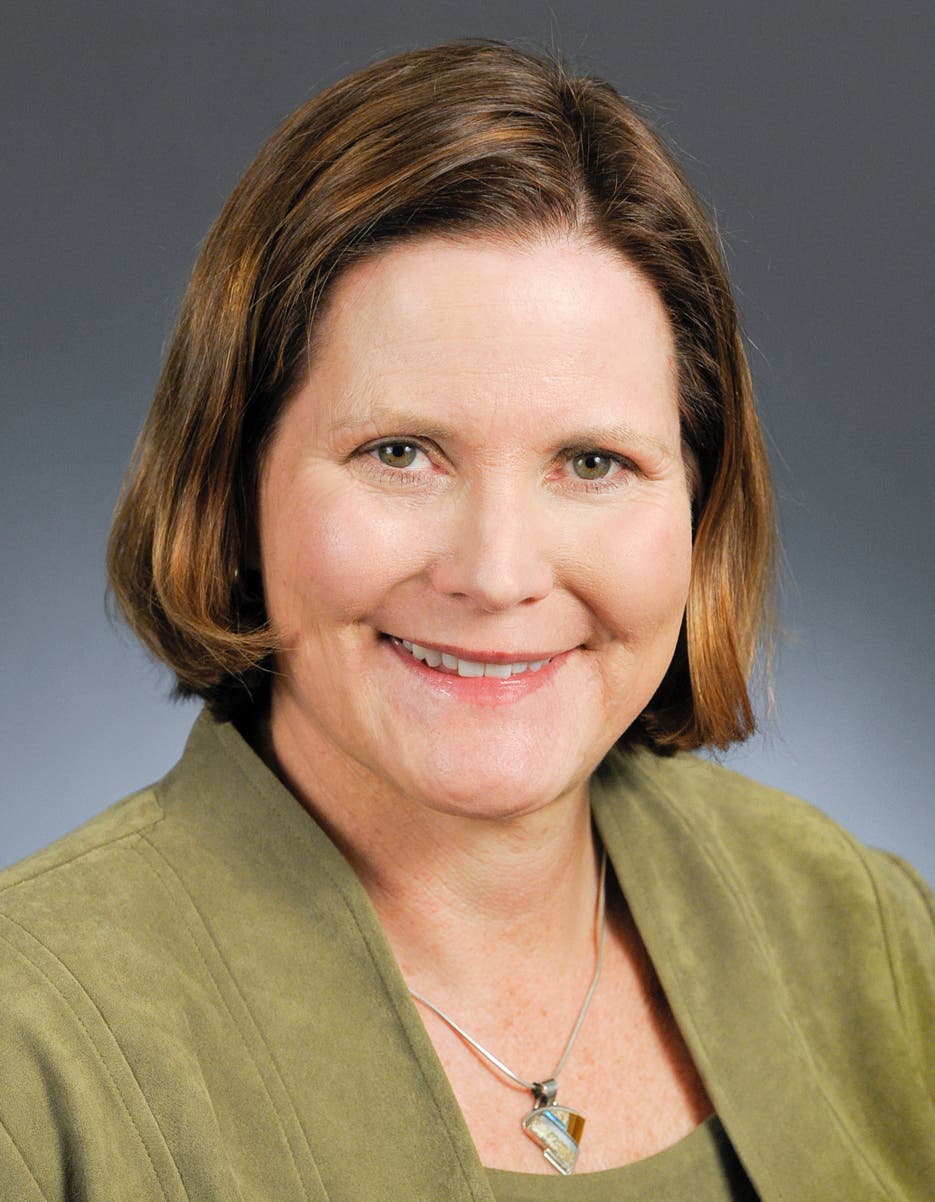
Slawik: Task Force Seeking to Improve Care for Children with Autism
Legislator has a personal connection to autism spectrum disorders.
Autism has quickly become a fast-growing serious developmental disability for children in the U.S. Autism now affects 1 in 110 children and 1 in 70 boys, and in Minnesota, the rate is even higher. A recent study showed that in our state, one out of every 65 8-year olds is autistic, the highest in the nation. Statistics have shown a rapid increase in the number of children diagnosed with autism. There is no established explanation, but many experts believe that improved diagnosis is one reason for the increase. Until recent years, many children were either misdiagnosed or did not receive proper intervention and help.
I have three main connections with autism in my life. First, as a parent of a child with autism, I understand the challenges that autistic children and their families face. In my experience, my child had a significant language delay and eventually was considered highly functioning on the autism spectrum. He attended District 622’s special education program and progressed well, graduating from and now attending college.
For parents of young children, there are a few “red flags” that experts say if observed, mean a child should be evaluated by their doctor. Parent may want to see a doctor if your baby exhibits any of the following signs: no big smiles or other warm, joyful expressions by six months or thereafter; no back-and-forth sharing of sounds, smiles or other facial expressions by nine months or thereafter; no babbling by 12 months; no back-and-forth gestures, such as pointing, showing, reaching, or waving by 12 months; no words by 16 months; no two-word meaningful phrases (without imitating or repeating) by 24 months; any loss of speech or babbling or social skills at any age. Research has clearly shown that early diagnosis and intervention provide the best outcomes for children diagnosed with an autism spectrum disorder.
Find out what's happening in Oakdalefor free with the latest updates from Patch.
Second I sit on the Board of Directors of the Autism Society of Minnesota. This group is focused on the corporate workplace and educating workers about ways to help employees on the autism spectrum become more successful at work. This past year they held a major conference at 3M featuring Temple Grandin, a well-known speaker who has Asperger's, a form of autism. She has developed several successful corporate products and shared what helped her become successful.
I’ve been fortunate, in my capacity as a legislator and the DFL leader on early childhood issues, to be a member of our state’s Autism Spectrum Disorder Task Force. This Task Force was created by the Minnesota Legislature in 2009 to develop recommendations and report on ways to improve services, sources of funding available for treatment, methods to improve coordination of care, increasing training for medical providers and educators and establishing treatment options for autistic children. Along with the usage of the more general term of autism, Asperger's Syndrome, Rett Syndrome and childhood disintegrative disorder are referred to by parents and medical professionals as autism spectrum disorders.
Find out what's happening in Oakdalefor free with the latest updates from Patch.
I’m one of four legislators on the 15-member task force and was recently reappointed to continue serving on it. I am honored to be a part of this task force and will continue doing all that I can to deliver results and meet the goals of the task force.
The Autism Spectrum Disorder Task Force has been meeting regularly, with our research and discussion focused around policies affecting early childhood, and school age and adults with autism. The goal of the task force is to ensure that every Minnesota child with an autism spectrum disorder will receive a timely, accurate diagnosis and appropriate intervention. We will be recommending any draft legislation that can meet these goals and I’m hopeful the Legislature will act on them once they are introduced.
If you have any questions, comments, or feedback on the issue of autism spectrum disorders or any other legislative issues, please do not hesitate to contact me. I look forward to hearing from you and working together to make Minnesota an even better place to live. Thank you again for the honor of continuing to serve you in the Legislature.