Health & Fitness
Freedom Is Not Free
As we fire up the barbecue grill or assemble in the park for the best-ever fireworks display this Independence Day, consider the sacrifices of freedom.
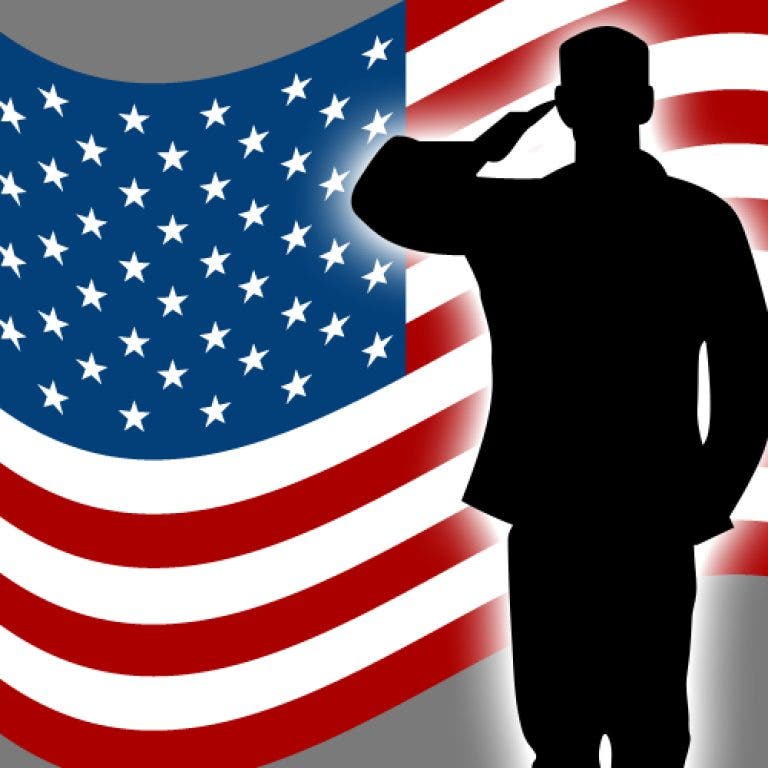

As we fire up the barbecue grill or assemble in the park for the best-ever fireworks display this Independence Day, reflect for a moment on the sacrifices made by our men and women in uniform to make this day possible.
My dad served in the U.S. Army during World War II as a military interpreter and translator. He attended school at the Military Intelligence Service Language School in a secret location in Savage, Minnesota and later at Fort Snelling. His overseas tour was with Merrill’s Marauders, a forerunner to today’s special forces Army Rangers, in Burma (now Myanmar). He didn’t brag about his service, but often spoke to school groups and helped individual students to write research papers about his work and the racial discrimination that he and his peers eventually overcame.
My uncle earned awards of valor as a Marine Corps aviator in World War II and the Korean War, and command assignments during the Vietnam War. His wife, a nurse, in 1948 became the first Japanese American officer in the U.S. Navy. Uncle “Moose” (as in “as big as a moose”) was at once highly educated, a Southern gentleman, kind -- and a hellraiser, OO-RAH Marine. Chain of command aside, he was never shy about voicing his disagreements with Congress or his President, always with unassailable reasoning.
His son once suggested that flying private planes might be a good retirement passtime. My uncle's (likely salty) "no thanks" included a detailed explanation of why that idea had zero attraction whatsoever to someone who was familiar with the terror of landing on an aircraft carrier on the Pacific high seas, at night, during an apocalyptic tropical storm.
My friend Bill Wenmark was a corpsman in the Navy and Marine Corps during the Vietnam War. He is the former chairman and founder of the Twin Cities-based NOW Medical Centers. Bill was Senior Corpsman in an intensive care unit and the Petty Officer in charge of a battalion anesthesia section. His harrowing experiences on behalf of his country are reflected in what he recently told his friends that he would say to families of his combat patients:
“To all the families of the fallen I want you to know that when they cried out, 'corpsman up!' we came. I was able to save many of my Marines. When I failed, the last words of your son or daughters were told to me, a corpsman, or a medic, or someone trying to bring them back home alive. Many of the combat veterans living today heard these words.
“I want to tell you that their last words to me as they died were asking to see you, their mother, their father, their wife, their children, and their girlfriend. I want you to know that they did come home in a flag-draped coffin to a resting place of peace and in the secure hands of God. I want you to know that we who came home alive, live with this every day, just like you live every day, wishing your son or daughter were alive today. I want you to know that we think sometimes, 'Why them and not us?'"
With a zest for life today like few his age, Bill is often preparing for or returning from a New Year’s Day dive into Lake Minnetonka, racing on his mountain bike in Leadville, Utah, or running a marathon.
My friend Elizabeth is a young Marine wife who endured months of loneliness during her husband’s multiple tours of duty in Afghanistan. She coped thanks to a strong faith, her fellow Marine wives, and Facebook. Happily, her hubby is back and they are expecting their first child.
With members of our military and their families in mind, when the flag flies this Fourth of July and the Star-Spangled Banner plays before the game, with hand over heart, thank these fellow citizens for their sacrifices to keep the United States of America safe and free.