Business & Tech
Plymouth Sees Big Gain in Workers During the Day
About 31 percent more workers come into the city than live here.


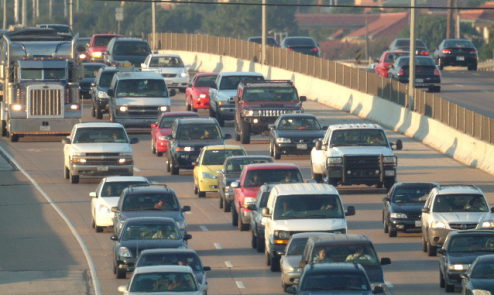
Plymouth’s office complexes, retail establishments and other workplaces cause the number of workers to surge during the day, according to recently released Census data.
About 31 percent more workers come into the city than live here, based on estimates from the 2006-2010 American Community Survey. In all, commuters increase the city’s population by 11,612 people—from a resident population of 69,171 to a population of 80,783 during the workday.
While Plymouth showed a significant increase, it marks the northern edge of an area dominated by cities that bring in more workers than they have living there. By contrast, most of its neighbor to the north and west see the opposite pattern. Maple Grove, for example, loses about 4,800 workers during the day.
Use the map above to compare how Minnesota cities fared. The map is colored according to each city’s “employment-residence ratio”—which compares the number of workers in a community to the number of workers who live there.
Ratios greater than 1.0 mean more people work in a community than it has workers living there. A community with a ranking of 1.19, for example, would have 19 percent more workers working there. By contrast, communities with ratios less than 1.0 send more residents to other communities to work than they receive.
The colors mean:
- Red: .23 to .5
- Yellow: .5 to 1
- Blue: 1 to 1.5
- Green: 1.5 to 5
The map only includes communities with either 2,500 workers living there or 2,500 workers who go there to work.
Find out what's happening in Plymouthfor free with the latest updates from Patch.
Get more local news delivered straight to your inbox. Sign up for free Patch newsletters and alerts.