Health & Fitness
Roseville Blog: The Reality of Voter I.D.
You can learn a lot by seeing what actually happens at the polling place: how voter identification actually works - or doesn't work - "in the trenches".
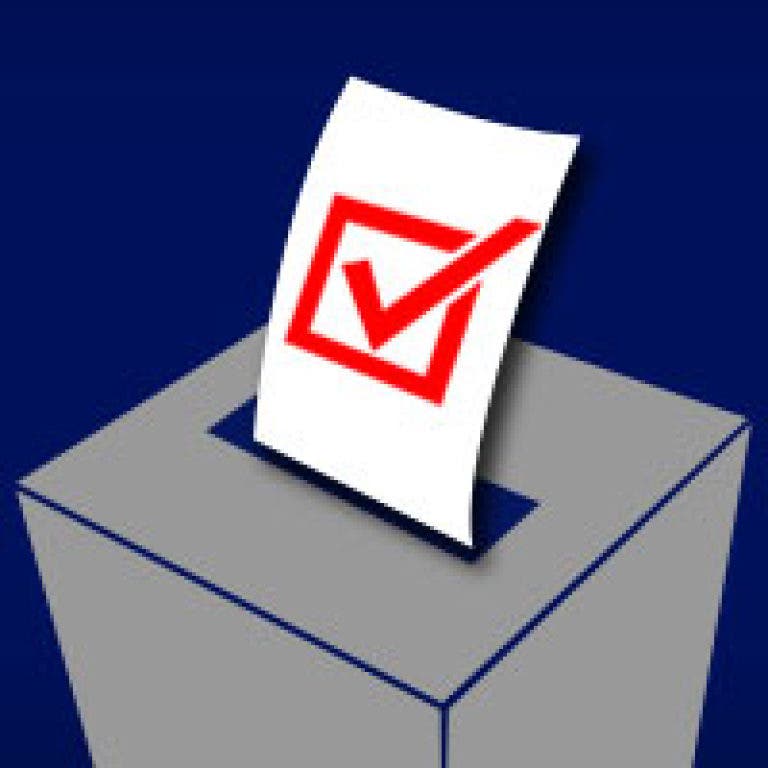
In 2008 I was a volunteer poll observer at a precinct here in Roseville.
About mid-day a young woman arrived with two young children in tow. She had never registered before, had recently moved into Roseville, and had nothing with her to verify she lived in the precinct.
Find out what's happening in Rosevillefor free with the latest updates from Patch.
The Election Judge who was registering folks that day, very properly told her that she needed to have something that would show her residence here – if not some kind of formal ID, then at least a utility bill sent to her at her local address, or some other evidence on the official list. Or she could get hold of an already-registered voter who could come and vouch for her. She was disappointed, and left.
The registering Judge didn’t like having to stick to the rules. I could tell he felt bad about not letting her register, but he did his job. About an hour later, she returned, again with her kids, this time with some bills, her rental agreement, several other authentic documents from the utility company and so on. The election judge properly and happily accepted these as verification. She registered and voted.
Find out what's happening in Rosevillefor free with the latest updates from Patch.
Fast forward to 2010. I again had volunteered, but because I was now “experienced”, my job was to go to various precincts to answer any questions the poll observers may have as they proformed their duties.
While I was in a St Paul precinct, a young man arrived to vote. He also had no ID, just like the young woman two years before.
However, he did have a piece of paper. It was a plain 8 ½ by 11 sheet of paper, on which were printed words to the effect of “Energy Company, California”, and there were some numbers on it. It was not on any kind of official stock, it had no graphic letterhead symbol. It did have his name and an address of an apartment building in the precinct printed at the top. It looked as if it had simply been created on a home computer and printed out. When he presented this at the table, the Election Judge accepted it.
The poll observer – as was his job – immedately went to the Chief Judge to inform her he suspected a challengable registration. The observers do not interfere in any way with the voter or the registration process – if they have a question about something they observe, they take it to the Chief Judge.
The Chief Judge walked over to the registration judge, asked to see the “bill”, looked it over, looked at the voter, looked at the first judge, and said that she also accepted it. The young man voted and left.
Was that young man indeed a citizen living in the precinct with every right to vote there? He may well have been – but the piece of paper he brought certainly didn’t prove it.
However, election judges have the authority to make those decisions. The Roseville judge did it right in 2008. The St Paul judge in 2010 should have handled it the same way, but didn’t.
Do I believe that the St Paul judge – and others in heavily partisan precincts – intentionally allowed persons to vote without valid proof of residency and identity because by demograpics or otherwise they assume they’ll be voting the “right” way? Some believe that.
Do I believe that some election judges, when faced with having to tell someone they can’t vote, in the heat of the moment, with sometimes a line going out the door, just don’t have the personality or strength of character to do their job and enforce the rules? Some believe that, too.
If election judges are a weak spot in the system, then let’s give them voter i.d. as a tool, and not put them in as difficult a position.
After the man in 2010 voted, the poll observer logged in the challenge, all proper and good, and after the election it was added to the thousands of such challenges made – but the vote was cast, and it counted.
Notices are sent out to the names and addresses of such voters afterward – thousands and thousands are returned “Addressee Unknown” or with invalid addresses. Thousands and thousands.
But those against voter i.d. say, “well,there’s no problem, how many cases were actually brought to court, or convicted?” This occurrence is a perfect example of why that question is asked to intentionally mislead people and twist the argument – it would be as if someone stole your ice cream cone and ate it, then when you went to authorities they asked, “well, he doesn’t have any ice cream cone, where’s your proof?” Illegal votes are not correctable. Voter fraud needs to be prevented, before it happens.
The woman in 2008 can be proud of casting her vote, maybe her first ever, and of doing it by joining into our election process in the right way, even having to trek back to her home with her kids to get documentation.
I often wonder just what we tell her about how her vote is, in effect, wiped out. It doesn’t matter for whom an improper vote is cast – every single invalid vote disenfranchises a valid one. The loose process we have today disenfranchises all of us.