Community Corner
Roseville District Begins Negotiations With Teachers
District, teachers using rare form of negotiations called "Interest-Based Bargaining."
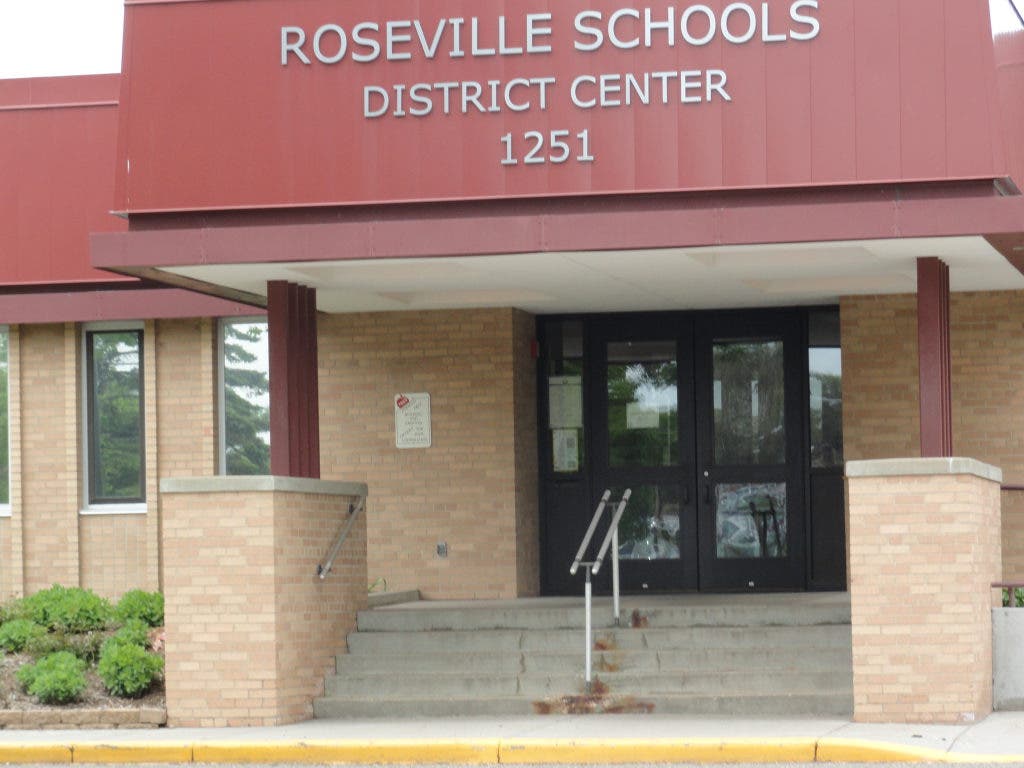
The Roseville Area School District has opened negotiations with its teachers on a 2011-13 employment contract, though compensation issues will not be resolved until later in the year, district officials told the board this week.
Teams for Education Minnesota-Roseville and the District are using a rare but successful form of negotiations called “interest-based bargaining,” said Robert Rygh, district director of human resources and operations. In this process, each party defines what it considers to be issues and options for addressing those issues.
The parties brainstorm and eventually reach consensus on an option to resolve each issue, Rygh continued.
Find out what's happening in Rosevillefor free with the latest updates from Patch.
“Each member of each team must believe that he/she is heard, and that others understand his/her point of view,” he said. “The most important thing is that each member can say, ‘I may not prefer this option, but I support it because it was reached fairly and openly.’”
The process offers more flexibility than traditional bargaining because the parties are not locked into predetermined positions, according to the Federal Mediation and Conciliation Service.
Find out what's happening in Rosevillefor free with the latest updates from Patch.
“When everyone understands the interests and concerns that lead a person or group to take a position on an issue, they often find that some of those interests are mutual, that both sides at the table are trying to achieve the same goal, just taking different approaches,” the bureau states on its Web site. “They frequently discover that what at first appear to be competing interests are not really competing at all. Dealing with each other in this way makes it possible to generate and consider options to satisfy particular interests that may never have been considered before.”
The process depends on an established trust between the parties and a willingness to forgo power as a sole method of “winning,” the bureau states. If those and other factors are not established, the process will fail.
“The parties will switch back to traditional bargaining, but with increased suspicion and distrust, and their relationship may suffer additional damage,” the bureau warns.
Negotiations began on June 14. Union officials could not be reached for comment. Education Minnesota represents more than 450 educators in District 623.
For more information about interest based bargaining, go to www.fmcs.gov/internet/itemdetail.asp?categoryID=15804.