Politics & Government
Roseville School District Grappling With Delay of Millions in State Aid
Roseville lawmaker contends "it's going to be a long drought before they (school districts) get any significant new money."
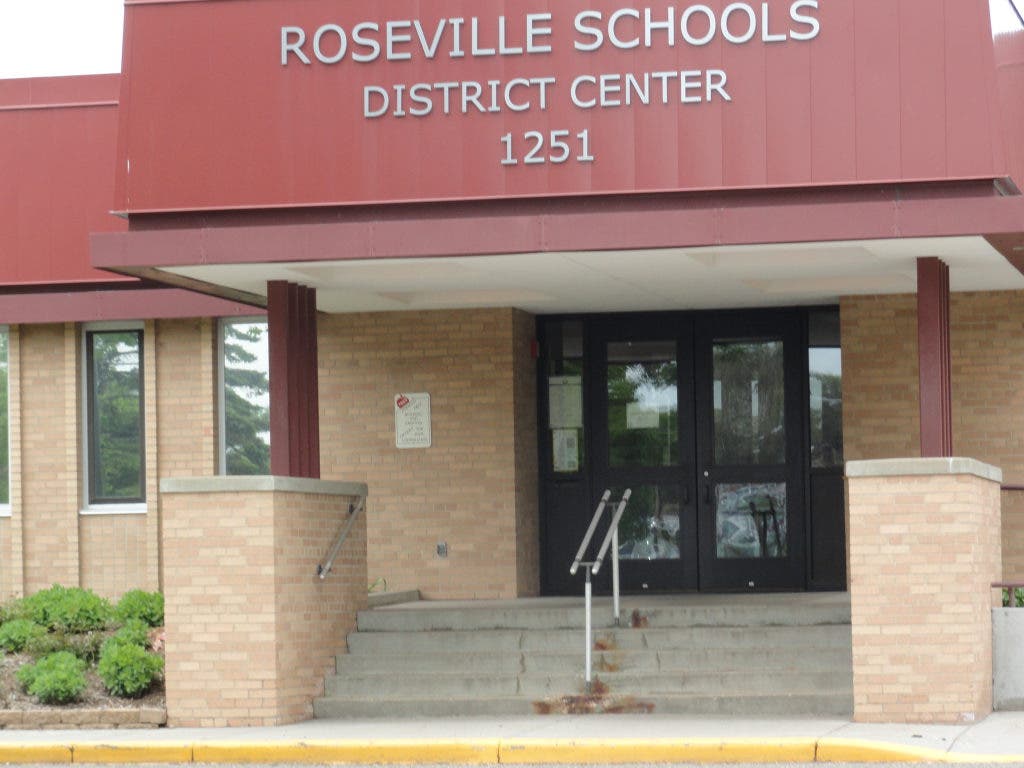
The Roseville School District, like all others in the state, is expected to be grappling with how it will deal with an additional delay of millions of dollars in state aid as a result of the state’s budget compromise.
But the district will continue its summer education program and start of the school year according to plan, said School Board Chairwoman Lisa Edstrom.
“As all parties agree, the budget compromise is not in any way a solution to our state budget problems and places a great burden on Minnesota's schools and as such, on the students we serve,” said Edstrom. “The specifics of how this impacts our overall financial position including our borrowing needs will be reviewed with our administration in August. Our goal is to ensure that our students continue to receive the highest quality teaching and learning in the best environment possible.”
Find out what's happening in Rosevillefor free with the latest updates from Patch.
The delay of $780 million in school aid payments–one major tool used to close the state budget gap without increasing taxes–has been widely panned by education leaders statewide. The state has already delayed $1.4 billion in per-pupil aid to school districts; the new delay brings the total debt to $2.2 billion. Most districts expect they will have to borrow money to continue operations.
Under the new law, special session HF 26, the state will give schools 60 percent of their annual aid payment and guarantee to pay the remaining 40 percent in the following year. Currently, districts receive 70 percent of their aid, with the remaining 30 percent delayed.
Find out what's happening in Rosevillefor free with the latest updates from Patch.
“Until the last biennium, the most [aid] the state has ever delayed was 20 percent,” said District 54A Rep. Mindy Greiling, Roseville, the ranking DFLer on the House Education Finance Committee. “In the last biennium, under Pawlenty’s ‘no new taxes budget,’ it was increased to 30 percent. Now, it’s been increased to 40 percent. That’s unprecedented.”
Greiling said the state debt to school districts is even higher than $2.2 billion if other funding delays are considered.
“Considering what we owe the districts for the special education funding shift and the property tax recognition shift, the combined debt is $3.5 billion," Greiling said. "That is $4,200 of debt per student per biennium. It is shocking.”
School districts will receive $50 per student each year of the biennium to cover the cost of borrowing money to operate.
“While that may cover costs in the short run, what is more important are the long-term consequences,” Greiling said. “The districts have to be paid back. So it’s going to be a long drought before they get any significant new money.”
.