Politics & Government
4th Of July 2024 Fireworks Laws: What Is Legal In MN
Fireworks have been significantly deregulated in the past two decades. Some types of fireworks are legal in every state but Massachusetts.


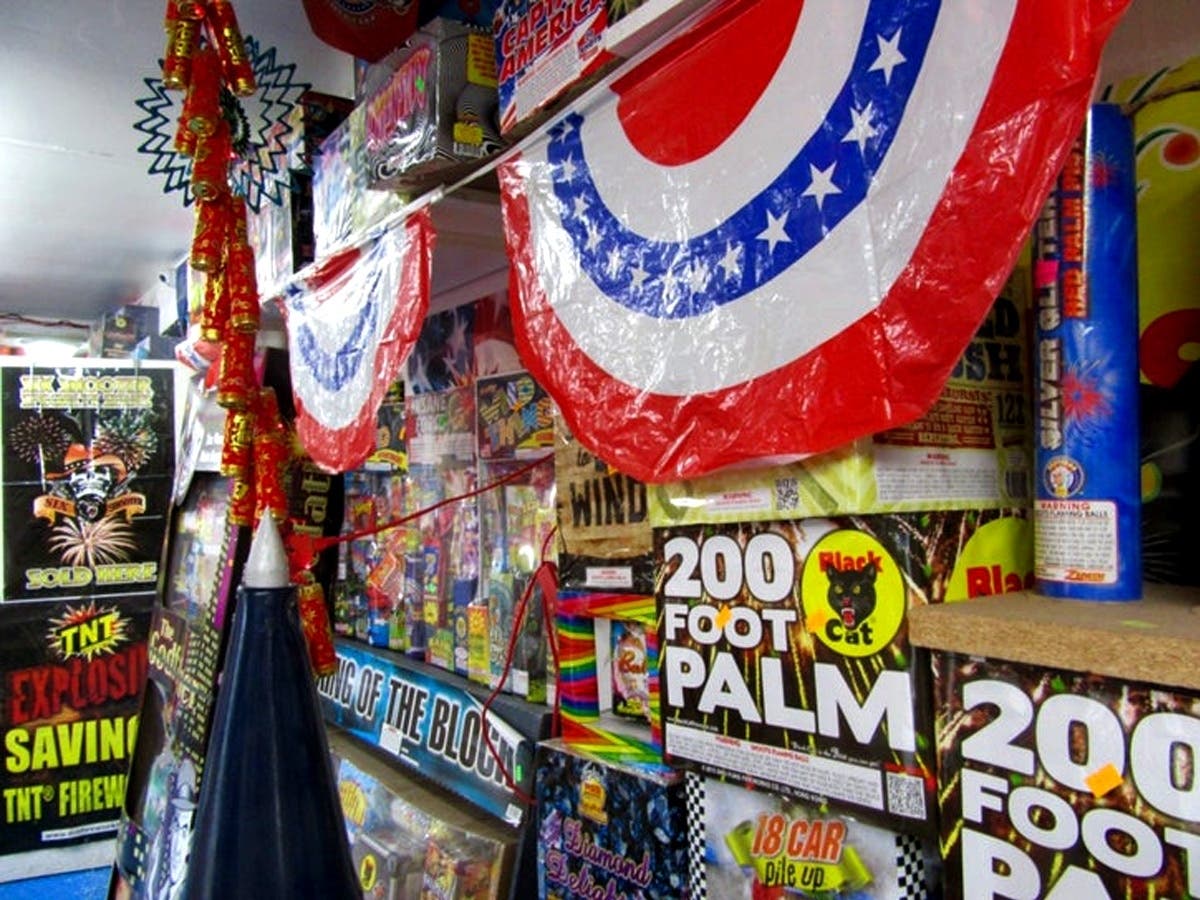
MINNESOTA — Home fireworks aren’t just for the 4th of July in many parts of the country, but before you start procuring pyrotechnics, be sure you know Minnesota’s laws on consumer fireworks.
Fireworks have been significantly deregulated in the past two decades. Some types of fireworks are legal everywhere, except in Massachusetts. Many states also allow the use of fireworks on the days on either side of the 4th of July and other major holidays.
In Minnesota, here’s what you need to know:
Find out what's happening in Saint Paulfor free with the latest updates from Patch.
Low-grade fireworks are legal in Minnesota, thanks to a law passed in 2002 under Gov. Jesse Ventura. However, all exploding fireworks, and fireworks that go airborne, are outlawed from private use in the state.
Here are some examples of legal fireworks in Minnesota:
Find out what's happening in Saint Paulfor free with the latest updates from Patch.
- Sparklers
- Cones and tubes that emit sparks
- Novelty items like snakes and party poppers
- Noisemakers
These are the types of fireworks that are illegal in Minnesota:
- Firecrackers
- Bottle rockets
- Missiles
- Roman candles
- Mortars and shells
In Wisconsin, residents can set buy and set off firecrackers, roman candles, bottle rockets, and mortars if they have a valid permit.
The permissive atmosphere around fireworks regulation isn’t universal, though. In states that permit consumer fireworks, cities and counties may adopt stricter codes and ordinances. And in extreme drought or high-wind conditions, local fire officials may prohibit any use of fireworks. And three states — Hawaii, Nevada and Wyoming — leave it to each county to decide where and what categories of fireworks are legal.
The strictest fireworks laws are in California, according to a map and list of state fireworks laws curated by Reader’s Digest. The law allows a limited window for fireworks use, from noon on June 28 through noon July 6,; restricts their use to people 16 and older; and also limits the kinds of fireworks people can buy.
Indiana has some of the most lenient laws. Anyone 18 or older can purchase and use fireworks whenever they want, from 9 a.m. to 11 p.m. on non-holidays and later on holidays. All types of fireworks are legal as long as they meet U.S. Consumer Product Safety Commission construction and labeling regulations.
States with stricter fireworks laws have cited data from the Consumer Product Safety Commission that shows thousands of people are injured in fireworks-related accidents every year, with multiple deaths reported as well. Some 10,200 people were injured and 11 died in fireworks accidents in 2022, according to the latest available data from the CPSC.
Also according to that report:
- Nearly three-fourths (73 percent) of 2022 injuries occurred in the weeks before and after the July 4 holiday.
- About 1,300 people were injured by fireworks and approximately 600 by sparklers.
- About 38 percent of people who were injured sustained burns, most often (29 percent) to the hands and fingers, but also the head, face and ears (19 percent), eyes (16 percent) and trunk or other part of the body (12 percent).
If you’re getting fireworks to celebrate Independence Day, follow these safety tips:
- Don’t allow young children to play with fireworks, including sparklers.
- Keep a bucket of water or garden hose nearby so you can douse a fire quickly.
- Light fireworks one at a time, then quickly step back.
- Never attempt to re-light or pick up a firework that did not ignite correctly.
- Don’t use fireworks if impaired by alcohol or drugs.
Fireworks have always been part of Independence Day celebrations. After the Continental Congress adopted the Declaration of Independence on July 4, 1776, John Adams wrote to his wife, Abigail, that Independence Day “ought to be solemnized with pomp and parade, with shews, games, sports, guns, bells, bonfires and illuminations from one end of this continent to the other from this time forward forever more.”
The first Independence Day fireworks display occurred on July 4, 1777. They came in only one color — orange — back then, according to the Smithsonian Institution. Today, they light up the sky with red, white and blue, the color of the U.S. flag, but also other colors.
At the turn of the century, about a third of fireworks displays were professional shows, according to Scientific American.
The gradual deregulation of fireworks occurred partly to tap lost tax revenue from residents crossing state lines to buy fireworks in states with more-lenient laws, but also because of lax enforcement.
Get more local news delivered straight to your inbox. Sign up for free Patch newsletters and alerts.