Crime & Safety
State Officials Want You To Avoid The 'A' Word. Why?
State officials want you to remember that an "accident" is inconvenient and annoying, while a "crash" is potentially deadly but avoidable.


What do you think of when you hear the word "accident"? That unfortunate incident at the party last weekend when your elbow connected with your friend’s red wine glass? The trials of potty-training your kids?
So why, when two vehicles violently connect on the road, often resulting in injury or death, is it sometimes referred to as an accident?
One is inconvenient and annoying; the other is potentially deadly but avoidable. With very few exceptions, these incidents are unintentional — but that’s where their similarity to purple carpet stains and extra laundry loads of tiny overalls ends. Accidents are inconvenient and annoying. Crashes are heartbreaking, painful, expensive, sometimes deadly, and preventable.
Find out what's happening in Southwest Minneapolisfor free with the latest updates from Patch.
That’s why several entities, including the Minnesota Safety Council, want Minnesotans to change how the public talks about traffic crashes – specifically, not using the word "accident" to describe them. The Minnesota Department of Public Safety (DPS), for example, has long preferred the term "crash" because "accident" suggests a random, unavoidable quality about the events in question.
Lisa Kons, the Minnesota Safety Council’s traffic safety programs coordinator, works with employers to highlight why traffic safety is important. She points out that an employer doesn’t have to have a fleet of vehicles to want to keep their employees safe — they should worry about all of their employees who drive, whether it’s a company car or not.
Find out what's happening in Southwest Minneapolisfor free with the latest updates from Patch.
After all, if they get into a crash after work, will they be able to come in to work the next day? A staggering 40 percent of lost work hours are due to traffic crashes, according to a news release. And lost work hours affect the bottom line in a very real way: they cost employers nationwide $47 billion annually.
And when Kons educates employers about the importance of traffic safety, she always starts with the terminology: "I’m not allowed to say the A word anymore because it’s preventable and predictable; crashes are almost inevitable if you’re not practicing good traffic safety," she said in a statement:
If you’re driving the speed limit, if you’re using proper following distances, if your mind’s on the game, your eyes are on the road, your hands are on the wheel, if that person cuts you off, you should be able to slow down. If the road conditions are bad and you’re allowing yourself to go the speed limit for the conditions, you can react. What people call “accidents” are predictable and preventable if you’re driving for the conditions of the road. The only thing we can control is what’s inside the car. We can’t control other drivers, we can’t control the weather, we can’t control the road conditions, but what we do — whether we’re distracted, whether we’re impaired, whether we’re driving the speed limit — we can control.
In other words, if you were looking down at your phone when the person in front of you slammed on their brakes and you hit them, that’s a crash. You didn’t expect the sudden braking ahead of you, but you may have been able to prevent the resulting crash by paying attention and reacting accordingly.
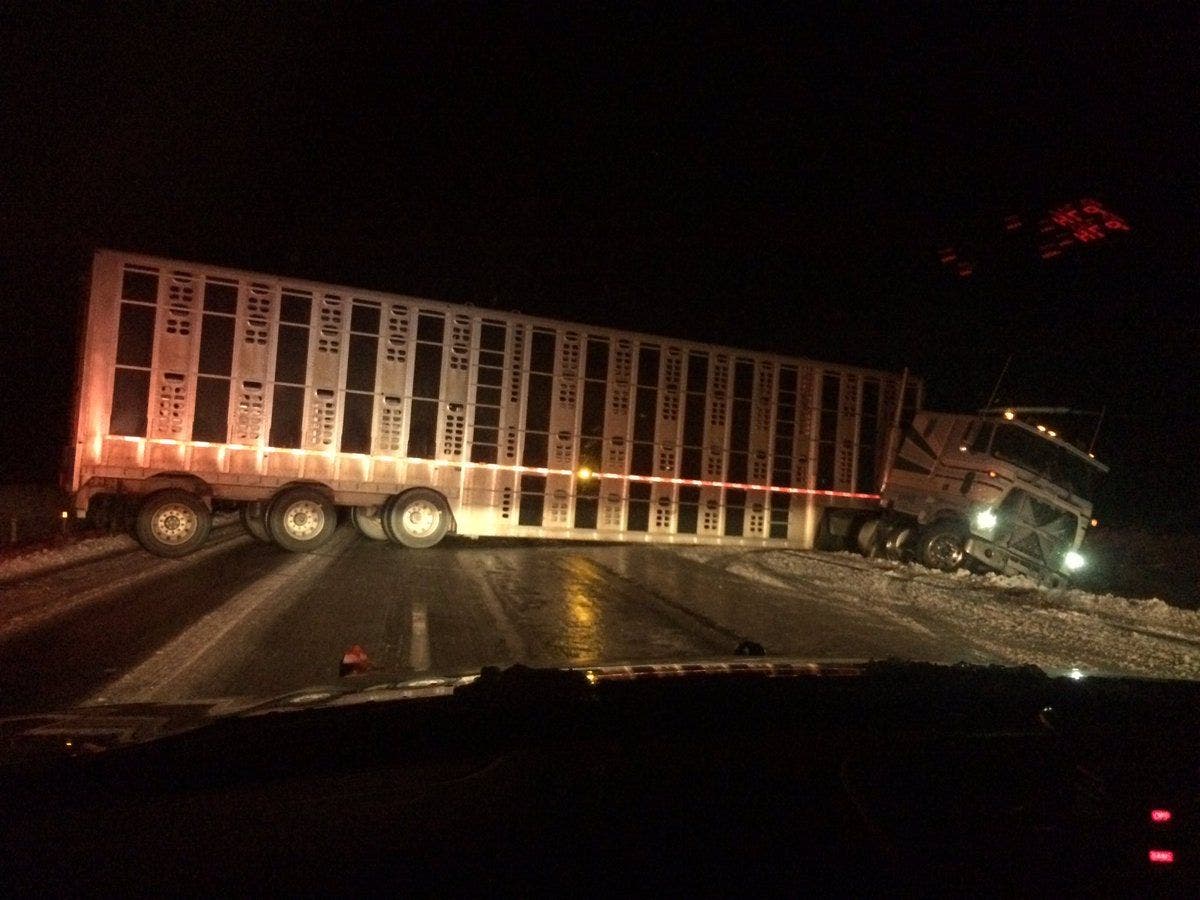
Image via Minnesota State Patrol
Get more local news delivered straight to your inbox. Sign up for free Patch newsletters and alerts.