Politics & Government
Minnesota Won't Repeat Iowa Caucus Disaster: Here's Why
Minnesota's neighbor to the south is having a rough week, to put it mildly.


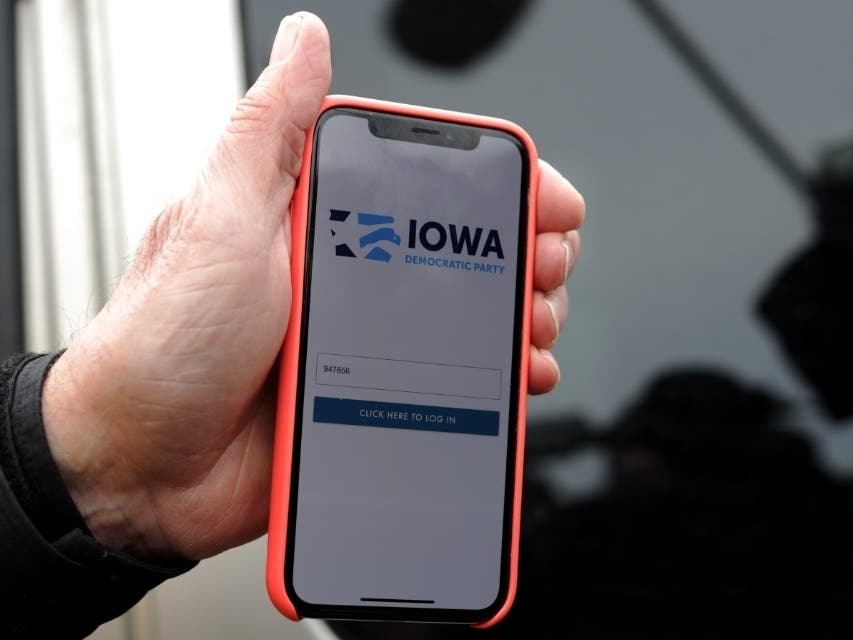
MINNESOTA — In the aftermath of the mess that was the 2020 Iowa presidential caucuses, Minnesotans may wonder if their state might repeat the mistakes of our neighbors to the south.
The answer is no. In 2016, Minnesota lawmakers voted to end the state's caucus system. They replaced it with a traditional presidential primary election. In other words, on March 3, voters will head to polls like they do in any other election.
"Minnesotans don't have to worry about a repeat of what happened in Iowa," Minnesota Secretary of State Steve Simon said Tuesday, the day after Iowa's primary mess began.
Find out what's happening in Southwest Minneapolisfor free with the latest updates from Patch.
"Our presidential primary will have the full reliability & integrity of Minnesota's election system (and our best-in-the-nation poll workers) to make sure it runs smoothly. And no app for reporting results."
That doesn't mean Minnesota can't have its own set of problems come primary day.
Find out what's happening in Southwest Minneapolisfor free with the latest updates from Patch.
Minnesota's privacy concerns
On Thursday, Secretary Simon and members of the Minnesota House and Senate, introduced HF 3068, a bill aimed at addressing voter privacy concerns in the March 3 primary.
What’s the problem?
When Minnesota voters must choose between a Democratic and Republican ballot, all four major political parties will get a record of which ballot individuals select. Currently, there are no legal restrictions for how parties can use this data in Minnesota.
According to the Simon, HF 3068 will do three things:
1. "Restrict sharing of party preference data only to a national party representative and only for the purpose of verifying participation in the Presidential Nomination Primary."
2. "Classify party preference as private data, which carries specific requirements for those receiving the information, and consequences for disseminating information to the public or other third party."
3. "Create an opt-out mechanism, whereby voters can be excluded from the list in the same fashion they can opt out of the public information list."
Also read: Minnesota 2020 Presidential Primary: Ballot, Date, How To Vote
Get more local news delivered straight to your inbox. Sign up for free Patch newsletters and alerts.