Politics & Government
St. Paul's Current Garbage System Wins Out On Election Day
On Tuesday, voters in Saint Paul voted overwhelmingly to keep the city's current organized garbage collection system.


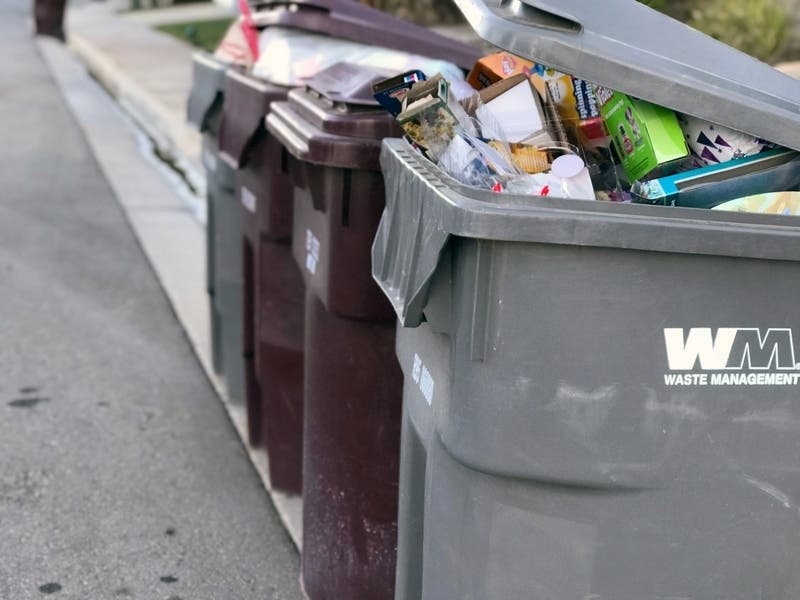
SAINT PAUL, MN — St. Paul is projected to keep its current trash system after residents overwhelmingly voted "yes" on the ballot referendum. Ordinance 18-39, the regulations for the city's new coordinated trash collection system, was on the ballot because opponents of the new system collected more than 6,000 signatures to put it there.
Though the St. Paul City Council rejected the petition, the Minnesota Supreme Court ruled this summer that the new organized trash system must be put on the ballot.
A second Supreme Court ruling in October said that regardless of how the referendum vote turned out, St. Paul can't get out of its five-year contract with the trash haulers it hired for the organized collection. The haulers still have to get paid.
Find out what's happening in Southwest Minneapolisfor free with the latest updates from Patch.
Mayor Melvin Carter, a strong supporter of the "vote yes" campaign, celebrated the results over Twitter Tuesday night.
New city... who dis? #Yes
— Melvin Carter (@melvincarter3) November 6, 2019
Ordinance 18-39 applies to more than 73,000 residential properties in St. Paul. It requires there to be only one designated residential garbage hauler for each neighborhood. St. Paul hired Advanced Disposal, Aspen Waste Systems, Gene's Disposal Service, Highland Sanitation, Republic Services and Waste Management to service different parts of the city.
Find out what's happening in Southwest Minneapolisfor free with the latest updates from Patch.
Before the new system, each resident had to find and hire their own trash hauler.
Love local news? Subscribe to free News Alerts.
Vote totals
Results provided by Minnesota Secretary of State Office. These results are preliminary and unofficial.
Yes: 34174
No: 20475
Precincts reporting: 95 of 95
That meant a number of different garbage trucks could be rolling down the same exact alley throughout the week.
"With fewer trucks on our neighborhood streets, this program helps support Saint Paul's longer-term vision for a safer, cleaner, and more resilient community," the city said about the new system.
However, many residents are frustrated that under the new system, they're paying much more money for trash hauling than before. Critics also say the new system too inflexible and isn't meeting their needs. Zero-waste households, for example, aren't allowed to opt out. Neighbors who used to share trash bins aren't able to.
Supporters argue that while the new system needs improvements, it shouldn't be completely scrapped.
Here's how the garbage collection question appeared on the ballot in St. Paul Tuesday:
Should Ordinance 18-39, entitled "Residential Coordinated Collection," remain in effect for residential trash collection in St. Paul? Ordinance 18-39 creates new rules for the collection and disposal of trash and payment for trash service; and requires that certain residential dwellings have trash collected by a designated trash hauler. A "Yes" vote is a vote in favor of keeping Ordinance 18-39. A "No" vote is a vote to get rid of Ordinance 18-39.
A "no" vote would shift the bill for trash pickup from individual rate-payers to all property tax payers in Saint Paul, requiring a 17 percent increase in the property tax levy to pay for the existing garbage collection contact, the city warns.
A "yes" vote would result in no changes to the current organized garbage collection program.
Q and A
The city of St. Paul has provided the following "Q" and "A" for residents regarding the vote:
"When will I get another garbage bill?"
"In early October, residents will receive a quarterly garbage bill from their hauler (for service October 1-December 31, 2019). Residents should pay their garbage bill to their hauler by the due date of October 25, 2019."
"If there is a referendum and Ordinance 18-39 is repealed, what then?"
"Chapter 220 will not control the collection of trash. Unless directed otherwise by the Supreme Court, the contract with the haulers remains in effect and the City will continue to operate under the terms of the contract. Unless the Court’s rationale provides otherwise, the haulers will still collect garbage, with the financial obligation shifted from individual rate-payers to all property owners in Saint Paul, through our City general fund. This cost for garbage collection for 2020 is estimated at $27.1 million, which would require an additional 17.4% on the property tax levy. This would bring the total property tax levy increase for 2020 to 22.2%. This would amount to a property tax levy increase of $184 over the Mayor’s proposed 2020 property tax levy on a median value home. This would amount to a property tax levy increase of $664 over the Mayor’s proposed 2020 property tax levy on a median value commercial property."
"Will my garbage still get picked up after Nov. 5?"
"Yes. Garbage will be collected on the same day by the city-designated hauler. Unless otherwise indicated by the Supreme Court, the contract with the haulers’ consortium remains in effect and the City will continue to operate under the terms of the contract."
"If the plan is not overturned, what then?"
"Saint Paul residential garbage service will continue as usual with a city-designated hauler, and the haulers will continue to bill residents for garbage service."
Get more local news delivered straight to your inbox. Sign up for free Patch newsletters and alerts.