Politics & Government
Twin Cities Among Worst Places For Black Americans: Study
The top five worst places for black Americans to live are all in the Midwest, according to an analysis by Wall St. 24/7.


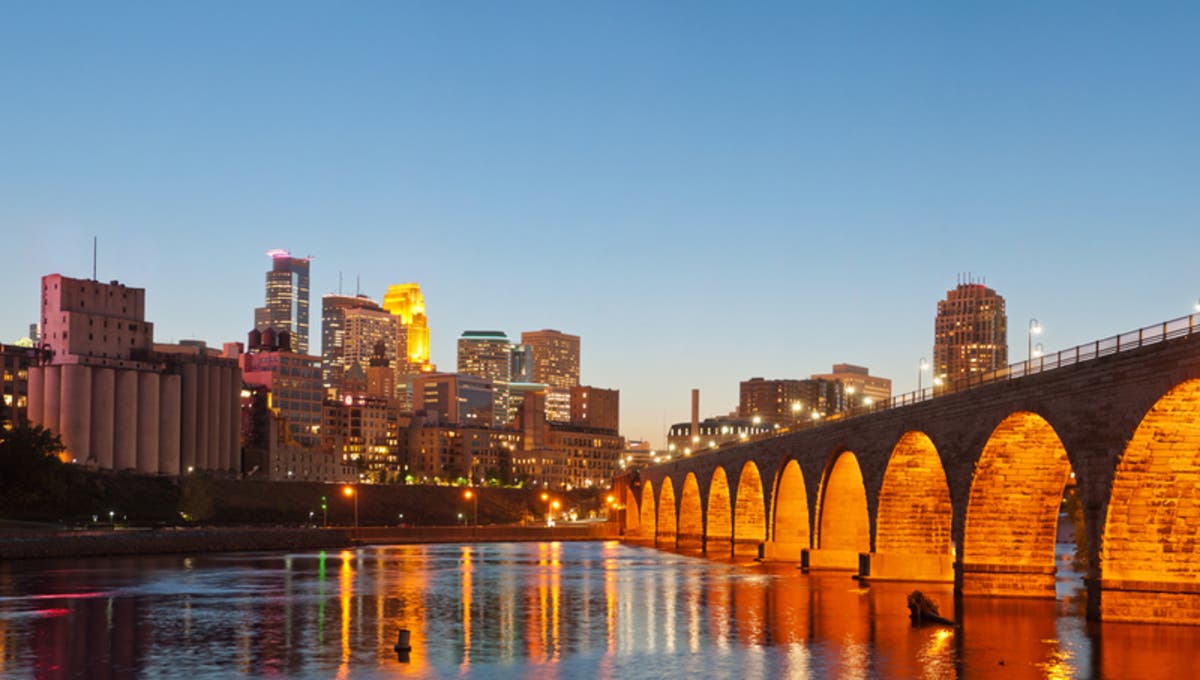
MINNEAPOLIS — Some of the worst racial inequality in the nation can be found in the Minneapolis-Saint Paul metro area, according to Wall St. 24/7, which reviewed a range of economic and social data to identify the places where black Americans have the greatest chance of faring the worst.
While the Twin Cities has one of the lowest white poverty rates (6 percent) in the nation, it has one of the highest for black Americans (32 percent.)
"To determine the 15 worst cities for black Americans, 24/7 Wall St. created an index consisting of eight measures to assess race-based gaps in socioeconomic outcomes in each of the nation’s metropolitan areas," the report states.
Find out what's happening in Southwest Minneapolisfor free with the latest updates from Patch.
“Looking historically, these are cities where there is a tremendous amount of residential segregation,” Camille M. Busette, a senior fellow at the Brookings Institution, told Wall St. 24/7.
"People are not walking around, working together, going to school together, taking the same metro together, et cetera. So there isn’t a lot of familiarity.”
Find out what's happening in Southwest Minneapolisfor free with the latest updates from Patch.
The Twin Cities ranked fourth-worst in the nation for black Americans. Only Racine, WI, Milwaukee-Waukesha-West Allis, WI, and Waterloo-Cedar Falls, IA ranked worst.
Here's the breakdown for the metro:
4. Minneapolis-St. Paul-Bloomington, MN
- Black population: 270,924 (7.8%)
- Black median income: $31,653 (41.5% of white income)
- Unemployment: 12.3% black; 3.9% white
- Homeownership rate: 24.6% black; 75.8% white
Here's what the study had to say about the metro area:
"The Minneapolis-St. Paul-Bloomington metro area is one of several Midwestern cities that enacted restrictive housing covenants and exclusionary zoning policies in the 20th century. These policies still impact residential patterns today. The city is highly segregated by race and has some of the largest disparities in poverty, income, and homeownership between black and white residents of any U.S. metro area."
"While the 6.0% white poverty rate in Minneapolis is far lower than the comparable 10.6% national figure, the 32.0% black poverty rate is above the 26.2% national figure. Additionally, the typical black household in the area earns $31,653 a year, just 41.5% of the white median household income of $76,208. Disparity in homeownership is even more stark. The 24.6% black homeownership rate in the Twin Cities metro area is less than a third of the 75.8% white homeownership rate."
Read more about the study here.
Sign Up For Patch's Daily Newsletter and Breaking News Alerts in Your Neighborhood
Image via Shutterstock
Get more local news delivered straight to your inbox. Sign up for free Patch newsletters and alerts.