Politics & Government
St. Louis Park Neighborhood to be Tested for Contaminants
The test is part of continued clean-up of the former Reilly Tar site.

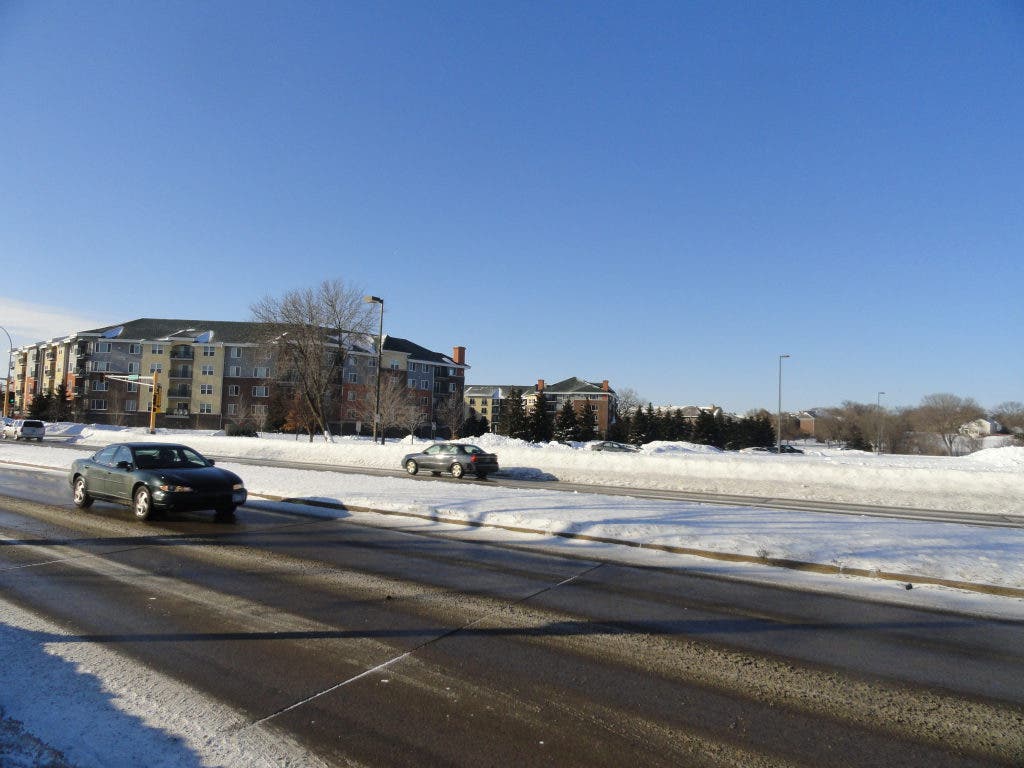

The U.S. Environmental Protection Agency will be testing roughly 30 homes and apartments in St. Louis Park in late March or early April as part of continued evaluation of an old creosote plant.
The testing area — which is bounded by 32nd Street West to the north, Highway 7 to the south, Louisiana Avenue to the east and Pennsylvania Avenue to the west — is part of the former Reilly Tar & Chemical Corporation site, which was used for coal tar distillation and wood preserving from 1917 to 1972. It was sold to St. Louis Park and converted to residential and recreational uses in 1972. makes up a good chunk of the site today.
In a letter to residents, the city said there is no information to believe that chemicals at the site are causing immediate health impacts. The test is a mandatory follow-up to a study that began in 2009, conducted by the city, the EPA and the Minnesota Pollution Control Agency.
Find out what's happening in St. Louis Parkfor free with the latest updates from Patch.
Eleven years after the plant closed, it became a federal Superfund site, which has resulted in millions of dollars being spent to clean up the area. This has included the closure of several city wells over the years, as well as the construction of several new ones.
In its letter to residents, the city states that its drinking water is safe from any of the contaminants from the site, as the water is pulled from deep aquifers and treated with carbon to ensure purification. The testing will in fact look for airborne contaminants. This will involve “sub-slab” sampling under basements and slabs to test for gases that may be collecting beneath building foundations.
Find out what's happening in St. Louis Parkfor free with the latest updates from Patch.
In particular, the EPA is looking for two types of chemicals — polycyclic aromatic hydrocarbons, or PAHs, and volatile organic compounds, or VOCs. Long-term exposure to high levels of PAHs may cause harm to the skin, blood and the body’s ability to fight diseases. Long-term exposure to high amounts of VOCs may cause damage to the liver, kidney or central nervous system. VOCs may also increase the risk of cancer.
At this time, the city states that it doesn’t believe people at or near the site are being exposed to PAHs. The city also says VOC exposure is not at a high enough level to raise health concerns.
To address any questions, the city, the EPA and the MPCA are holding two open houses on Thursday at the . The open houses are scheduled for 2-4 p.m. and 6-8 p.m. St. Louis Park Patch will follow-up on this story after these meetings.
For a detailed history on the Reilly Tar site, see the St. Louis Park Historical Society’s website.
***
IF YOU GO
What: Reilly Tar site environmental investigation open houses
When: Thursday, 2-4 p.m. and 6-8 p.m.
Where: St. Louis Park Library (3240 Library Lane)
Get more local news delivered straight to your inbox. Sign up for free Patch newsletters and alerts.