Health & Fitness
What to Know About the Whooping Cough Outbreak
The Minnesota CDC reports 284 cases of pertussis in Washington County this year. Learn the facts about whopping cough and how to protect your family.
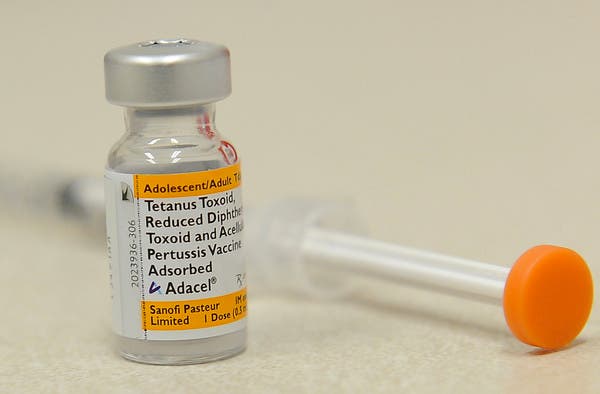
Parents all over the Twin Cities are getting increasingly nervous about what is being called the worst outbreak for whopping cough in more than five decades.
Just last month, the Centers for Disease Control (CDC) reported slightly more than 26,000 cases of whooping cough since the first of the year. The Minnesota Center for Disease control reports 284 cases of pertussis diagnosed in Washington County this year. The CDC ranks Minnesota as #2 in the country for the number of confirmed cases of whooping cough.
The best line of defense for local families is awareness. By understand the signs of whooping cough and the importance of vaccinations, you can greatly reduce the risk a potential infection could cause. Here are a few of the most important facts to know about whooping cough:
Find out what's happening in Woodburyfor free with the latest updates from Patch.
What is whooping cough?
Whooping cough or pertussis is a highly contagious respiratory tract infection. In most cases it is marked by a severe hacking cough followed by a high-pitched intake of breath that sounds like "whoop."
Find out what's happening in Woodburyfor free with the latest updates from Patch.
Is whooping cough deadly?
Deaths associated with whooping cough are rare and most commonly occur in infants. That's why it's so important for pregnant women and anyone in close contact with an infant, to be vaccinated against whooping cough.
What are the symptoms of whooping cough?
Once infected with whooping cough, it can take one to three weeks for signs and symptoms of whopping cough to appear. They're usually mild and similar to symptoms of a common cold:
- Runny nose
- Nasal congestion
- Sneezing
- Red, watery eyes
- A mild fever
- Dry cough
After a week or two, signs and symptoms worsen. Thick mucus accumulates inside your airways, causing uncontrollable coughing which may:
- Provoke vomiting
- Result in a red or blue face
- Cause extreme fatigue
- End with a high-pitched "whoop" sound during the next breath of air
What is the treatment for whopping cough?
Antibiotics kill the bacteria that causes whooping cough, but don’t necessarily stop the cough.
Infants are usually hospitalized because whopping cough is so dangerous for this age group. Older children may need intravenous fluids if they can’t keep liquids down. Otherwise, treatment for older children and adults can be managed at home.
Does the whooping cough vaccine wear off? Should adults get vaccinated again?
Having had whooping cough in the past -- or being vaccinated -- does not provide lifelong immunity. All adults are recommended to get a booster shot, called Tdap, especially healthcare workers, parents and prospective parents, immediate and extended family members of infants, babysitters, and childcare providers.
Why is whooping cough so prevalent right now?
Whooping cough epidemics occur in cycles and tend to peak roughly about every three to five years. The last major epidemic was in 2005, so we were destined to see an uptick in infections this year.
Dr. Gary Gosewisch is an Emergency Medicine Specialist and CEO of the Urgency Room in Woodbury
