Schools
Minnesota Schools Ramp Up Anti-Bullying Message In October
Districts in the Twin Cities and across Minnesota are set to recognize October National Bullying Prevention Month.


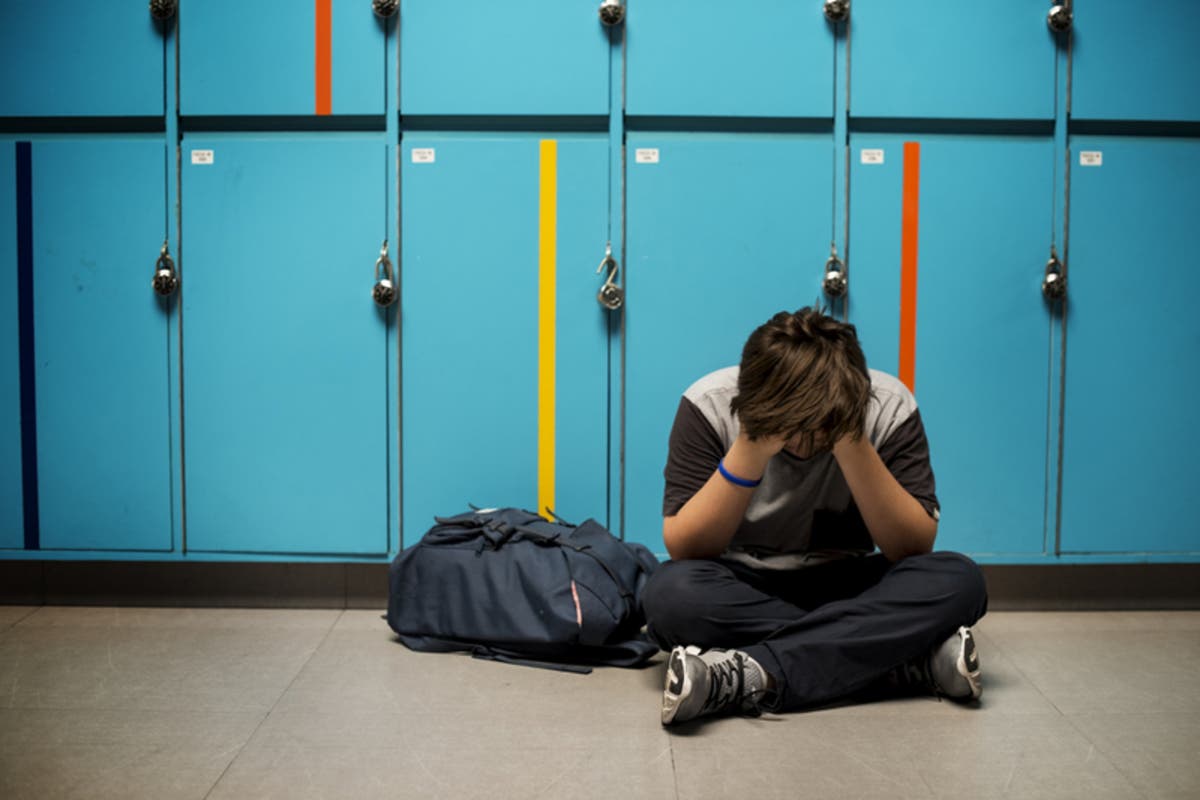
MINNEAPOLIS-SAINT PAUL METRO — We hope you’ve noticed over the past year that we’ve been focusing on bullying and cyberbullying, a confounding national crisis that turns youths’ lives upside down with unimaginable angst and dread, sometimes with deadly consequences. With each story, we’ve heard poignant stories from Patch readers in Minnesota and others who were bullied and overcame it, but also many who continue to struggle with the damage done by bullies to their self-esteem.
Many common threads emerged in emails from our readers: Teachers and other educators have suggested everything from first-period decompression time to classroom contracts with students on how they’re expected to treat one another. But for all the readers who said schools need to do more to foster an anti-bullying culture, as many said parents should talk more with their kids about bullying and keep closer track on their social media habits.
And in a loud chorus, they said Americans need to stop wringing their hands and work at all levels to create a world safe from bullying.
Find out what's happening in Woodburyfor free with the latest updates from Patch.
That’s one of the purposes of National Bullying Prevention Month, observed annually during October to bring attention to the problem and involve people in Minnesota and nationwide in a conversation on how to create a world safe from bullying.
Actions taken in Minnesota
Find out what's happening in Woodburyfor free with the latest updates from Patch.
Little Mountain Elementary in Monticello was one of four schools to receive special recognition this fall for its anti-bullying efforts. The school was honored for results achieved on PeaceMaker's Olweus Bullying Questionnaire, a survey aimed at helping schools measure and reduce bullying.
Third, fourth, and fifth graders fill out the survey each spring at Little Mountain. Principal Gabe Hackett told Patch in an email their work with PeaceMaker has allowed the school to pinpoint problem areas using data analysis.
"We are able to make evidence-informed decisions based on the data we collect," said Hackett.
This month, Little Mountain will be add extra segments to its morning announcements to help students understand the difference between bullying and peer conflict.
Like many schools in Minnesota, everyone at Little Mountain will also celebrate Unity Day on Wednesday, Oct. 24 by wearing orange.
Spotting the signs of bullying
"So many times, bullying is done under the radar," Julie Nielsen, an assistant superintendent at South Washington County Schools, told Patch. "It's difficult for us to investigate if we don't know."
Nielsen says parents should report incidents using the district's online report form. Nielsen also provided Patch with the following tips for parents to prevent or stop bullying:
1. Talk with and listen to your kids—everyday. Research shows that adults are often the last to know when children are bullied or bully others. You can encourage your children to stop that trend by engaging in frequent conversations about their social lives. Spend a few minutes every day asking open ended questions
2. Learn the signs.
*A student who does not want to go to school
*Unwilling to talk about school
*Goes to the nurses office often
*Physical distress – headaches, stomach aches
3. Have an understanding and talk about what bullying is and the role of being a bystander. Report any inappropriate behavior that you consider to be bullying to a school administrator.
4. Support your child with developing strong social skills and an ability to stick up for themselves. Tell the person you don’t like what they are doing and you want them to stop.
5. Get involved and communicate any concerns of bullying to the school. We are here to help, but many times are unaware of situations until they are brought to our attention. Efforts to effectively address bullying require collaboration between school, home and community
Nielsen says her east metro district focuses on bullying and cyberbullying prevention in October, but notes that administrators work to ensure all students know the expectations while at school year-round.
State resources for bullying prevention
The Safe and Supportive Minnesota Schools Act — signed into law by Gov. Mark Dayton in 2014 — established the School Safety Technical Assistance Center. This month, the center will offer two free webinars as part of its new School Climate Improvement Webinar Series, a spokesperson for the Department of Education told Patch.
- Classroom Practices to Improve School Climate, Wednesday, Oct. 10, 11:30 a.m.–12:30 p.m.
- Schoolwide Restorative Practices, Wednesday, Oct. 24, 11:30 a.m.–12:30 p.m.
- Integrating Social Emotional Learning (SEL) into Academics, Wednesday, Nov. 28, 11:30 a.m.–12:30 p.m.
The state also numerous guides for parents and families on several topics, including:
- How to Talk About Traumatic Events and Tragedies
- Steps Parents and Families Can Take to Help Child Who is Bullied
- How to Work With the School to Address Bullying
- More Resources to Help Families and Others Address Bullying
- Cyberbullying: Steps Parents/Guardians Can Take To Prevent Harm
- Cyberbullying Prevention Resources
Special grants
On Monday, the Minnesota Department of Education announced that 90 Minnesota public schools districts or charter schools were awarded school safety grants to be used for security and violence prevention improvements at 123 building sites across the state.
The funds may be used to construct and equip school facilities, including renovating and expanding existing buildings. The Minnesota Department of Education received a total of 1,187 complete applications, requesting $255.5 million—more than 10 times the available amount of funding.
The final grant award values will be determined after recipients get complete bids from contractors. Schools were able to apply with qualifying projects for up to $500,000 per building.
Officials determined grant eligibility based on project priority, with half of the grant funds available to schools outside of the metro area. High-priority projects included improvements to exterior entry security, such as access controls, keyless entry systems, door locking and glass integrity, door alarm systems, and structure changes to main entrances.
Additions or improvements to communication systems, such as electronic emergency notification systems for staff and first responders, were also considered high-priority projects.
A PUBLIC HEALTH ISSUE
Once viewed as a childhood “rite of passage” that toughened kids to handle the pressures of adulthood, bullying and its more insidious digital twin, cyberbullying, is seen by many experts as a major public health issue — on par with heart disease, cancer and diabetes — with devastating and often long-term effects like the loss of self-esteem, heightened anxiety and depression.
We want to hear from you. Do you have a story to tell about bullying or cyberbullying, a suggestion about how to stem it or an event to publicize? Comment at the end of the story, or email william.bornhoft@patch.com and copy bullies@patch.com. You can post Bullying Prevention Month and many other events right on Patch.
Statistics vary, but an aggregate of 80 different studies on bullying suggests one in five American students between 12 and 18 is bullied at some point during their middle or high school years. Traditional bullying — name calling, public humiliation, isolation, physical violence and that sort of thing — occurs most often, with 35 percent of kids reporting they’ve been targeted in one of those ways. The studies cited by the PACER Center, which established National Bullying Prevention Month, show that 15 percent of kids surveyed report being cyberbullied.
And though it occurs less often, cyberbullying — which has resulted in a disturbing string of suicides by adolescents and teenagers — is especially hard to stop. While experts say most cyberbullied kids don’t kill themselves, the long-tailed internet makes a taunt live longer than one flung on the schoolyard. Kids can escape traditional bullying in the safety of their homes, but because social media is so intertwined with how kids communicate, they never really escape it.
And because cyberbullies have the stealth of anonymity, “empathy tends to fade to zero,” NoBully.org founder Nicholas Carlisle told Patch.
He was knocked around 40 or so years ago as an awkward 12-year-old. The torment persisted through high school, but as tough as it was, his experience was markedly different from the torture kids endure today, he says — and it’s not just that he was attacked in a physical as opposed to online space.
“Online, you can’t see the whites of their eyes,” Carlisle said. “If you can see someone, that’s often a break upon people’s aggression — not always, but it does seem to have some break upon crossing the line.”
Sign Up For Patch's Daily Newsletter and Breaking News Alerts in Your Neighborhood
The full consequences of bullying on the brain aren’t fully understood, but kids who are targeted by bullies in childhood and adolescence are at increased risk for psychological problems that can stretch into adulthood, according to experts. In the moment, bullied kids may be unable to sleep or suffer a range of stomach issues and headaches. Later on, they’re at risk for depression, anxiety, and alcohol and drug use.
OCT. 24 UNITY DAY
Among the marquee National Bullying Prevention Month activities is Unity Day, observed on Wednesday, Oct. 24, when everyone is encouraged to wear and show orange to send a message that no child should ever experience bullying.
“Orange provides a powerful, visually compelling expression of solidarity,” Paula Goldberg, the executive director of the PACER Center, said in a statement. “Whether it’s hundreds of individuals at a school wearing orange, store owners offering orange products or a community changing a landmark to orange, the vibrant statement becomes a conversation starter, sending the supportive, universal message that bullying is never acceptable behavior.”
Here’s more about Unity Day:
THE BULLY MENACE: WHAT’S AHEAD
During October and beyond, several experts have agreed to answer readers’ questions about bullying, ranging from how to keep their kids from becoming targets to what to do if their kids are the bullies. We’ll also delve into some of the issues surrounding bullying —
Take a look back at some of the stories in our series:
- America’s Shameful Truth About School Shooters And Bullying
- They All Failed Changed Child: Malden Bullying Detailed
- Bullies, Their Targets The Same In A Surprising Number Of Cases
- ‘Everyday, I Wear Your Words,’ Teen Tells Bullies In Video
- Teen’s ‘I Wear Your Words’ Video Inspires Nashville Songwriters
- Bullying Of Mallory Grossman, 12, Spelled Out In Wrongful Death Lawsuit
- Poetry Teacher Helps Bullied Kids Open Their Tortured Minds
- Why These Kindergartners Start Each Day With A Simple Handshake
If you have a question or want to share your story, please email bullies@patch.com.
Photo via Shutterstock
Get more local news delivered straight to your inbox. Sign up for free Patch newsletters and alerts.