Politics & Government
Missouri's Opioid Tracking Program Is Still Not Up And Running
Missouri remains the only state that doesn't have a prescription drug tracking program.

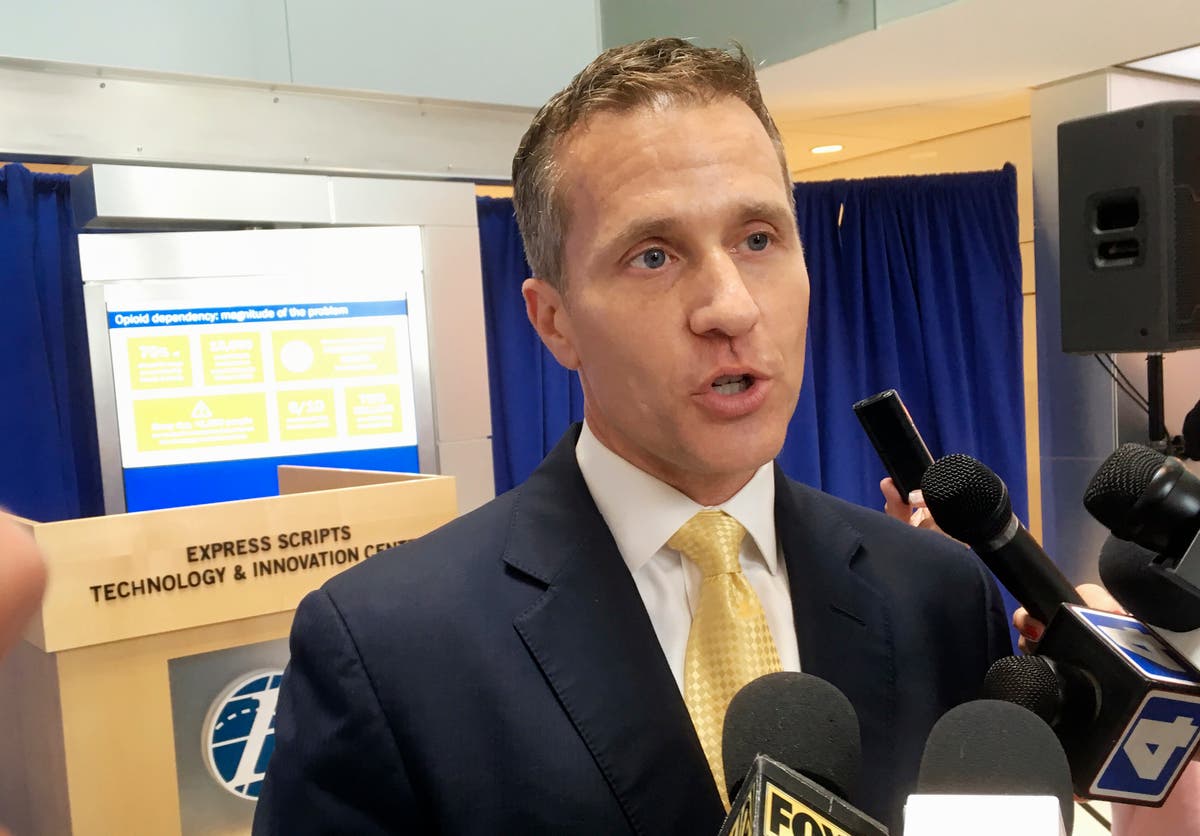
KANSAS CITY, MO — It's been four months since Gov. Eric Greitens signed an executive order to create a prescription drug tracking program — part of an effort to curb doctor shopping and opioid addiction — and the state remains the only one in the country that still doesn't have one.
The holdup? It's simply a matter of finalizing the contract for the company that will supply the data, Randall Williams, director of the state Department of Health and Senior Servicest, told the Kansas City Star.
Williams heads the agency that will oversee the plan. Once that deal is finalized by the state Office of Administration, his agency is ready to implement the program, he said.
Find out what's happening in Across Missourifor free with the latest updates from Patch.
"We do the execution, we're just waiting to hear from them," Williams told the newspaper after an opioid summit in Kansas City on Thursday.
But when Greitens, a Republican, announced the executive order in St. Louis in July, Williams said it could be up and running within a month.
Find out what's happening in Across Missourifor free with the latest updates from Patch.
Office of Administration spokeswoman Ryan Burns declined to discuss the delay.
"Although the process for a PDMP (prescription drug monitoring program) contract is moving forward, we don't talk about the details during ongoing contractual discussions," Burns said. "I can tell you that we are working closely with the House budget chair and others to ensure this important initiative is set up for long-term success."
The other 49 states already have programs that track prescription drug scripts as part of an effort to combat doctor shopping and opioid addiction. Missouri lawmakers have repeatedly considered drug-monitoring programs, but legislation has failed, largely because of privacy concerns about keeping medical information in a database.
Thousands of Americans die every year from opioid overdoses. In Missouri, more than 900 deaths were blamed on opioids in 2016. Among those victims was a cousin of Greitens, who called opioid abuse "a modern plague" in his July announcement.
Some proponents of monitoring plans felt Greitens' program didn't go far enough. Unlike many other states, the Missouri database would be available only to the Department of Health and Senior Services, not doctors and pharmacists. St. Louis-based pharmacy benefits manager Express Scripts was chosen to set up the database.
Doctors intentionally overprescribing opioids could face criminal charges or loss of a medical license.
Frustrated by a lack of a statewide monitoring program, St. Louis County started its own. Several other counties and the city of St. Louis joined; the program now represents around three-fifths of Missouri's population.
Photo credit: Jim Salter/Associated Press