Health & Fitness
Pain in the Jaw Joint
Dr. Gregory Purcel writes about how to choose the right doctor and the correct course of treatment.
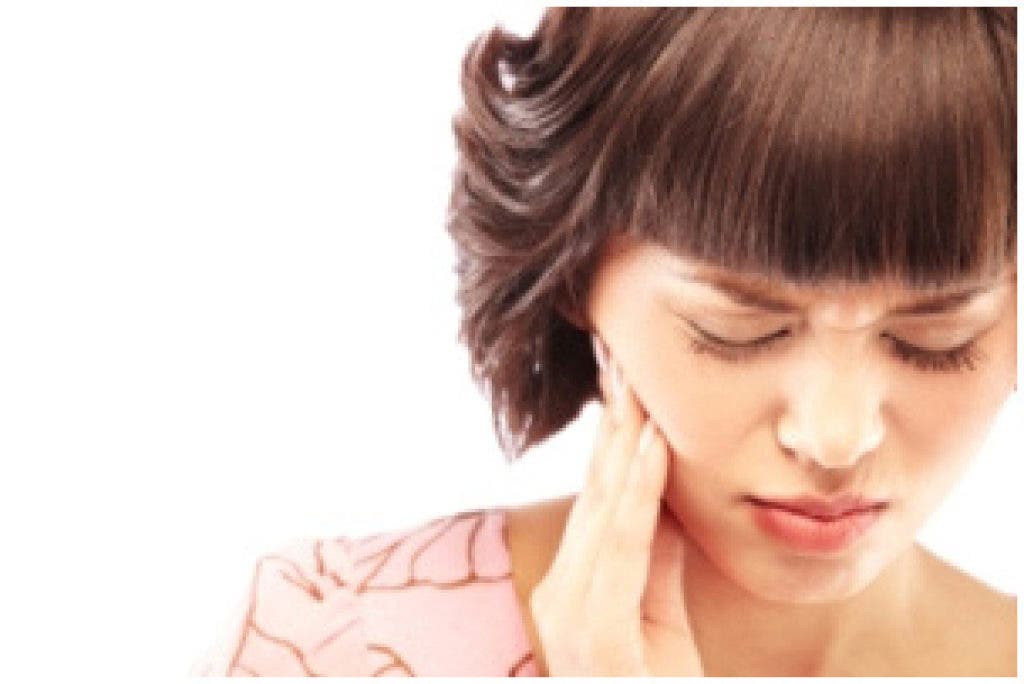
The Temporomandibular Joint. That is quite a mouthful. The short version is simply TMJ. Either way it is a fancy way of saying jaw joint.
Most people associate the term TMJ with pain and symptoms such as pain in jaw joints, pain while chewing, clicking and popping noises of the joint, tired or sore muscles, headaches, jaws locking closed, jaws locking open and ringing of the ears. The more accurate term for this syndrome is actually Temporomandibular Dysfunction or TMD.
The dilemma is that the treatments are as varied as the symptoms listed above and not all treatments work. So, how does a patient with this painful and potentially debilitating malady choose the right doctor and the correct course of treatment?
Find out what's happening in Ballwin-Ellisvillefor free with the latest updates from Patch.
The answer is education and understanding.
What most people don’t realize is that the symptoms of TMD are not always caused by the jaw joints. Rather the underlying causative factors may be far removed from the jaw joints themselves. And these factors should be addressed to alleviate all the symptoms.
Find out what's happening in Ballwin-Ellisvillefor free with the latest updates from Patch.
Can instabilities in the body or spine cause headaches and facial pain?
You bet!
The whole structural system works together. In Chiropractic parlance it is referred to as the closed kinematic chain. In Osteopathic vernacular it is called the Unity of Function. The body is system composed of many parts that work together to create a whole, greater than the sum of the parts. Thus, in addition to evaluating the jaw joint, it is important to evaluate the whole structural system to find all the instabilities that may be causing the symptoms.
The jaw joints happen to be the most complex joints and the most used joints in the entire body. The area of the face where the TMJ is located is an intricate network of bones, including the teeth, muscles, and nerves. Thus, an imbalance of the teeth or either jaw joint can cause far reaching problems. Because of this, TMJ / TMD dysfunction affects many areas of the body, from the top of the head in migraine-like headaches to numbness or tingling in the arms and pain in the neck shoulders or low back.
The Causes of TMJ /TMD The causes of all of these symptoms are varied depending on the philosophy of the health professional that you talk to. Many physicians will attribute TMJ / TMD to problems in your arteries, veins, or your nervous system. The psychiatrist often attributes this to emotions or stress. Dentists will look at the structural balance of the bite and the jaw joint. Remember that the symptom is rarely the problem! And that the symptom is often far removed from the underlying problem! If we have a good structural base from which to function, the other systems do not need to compensate for the faulty mechanics.
So, what are the best methods for treating TMD? The best answer that any dentist should give is – it depends. There is no one size-fits-all treatment for TMD. It depends on the underlying causative factors of the TMD and the health of the jaw joint.
Look for more from Dr. Gregory Purcel soon in "Pain in the Jaw Joint, Pt. 2."