Neighbor News
Celebrating a Decade of Foster Care Reforms
This year marks the tenth anniversary of House Bill 1453, a landmark bill that secured better protections for kids in foster care.

Two-year-old Dominic James was placed in foster care by the state of Missouri in 2002 to keep him safe after a domestic disturbance in his home. While in foster care, he was hospitalized for unexplained symptoms, but the state sent him back to the foster family despite his parents’ objections. Only a few days later, Dominic fell into a coma and died after being shaken by the foster father. The state’s failure to protect Dominic clearly demonstrated the need for foster care reforms. Though revamping such an intricate system was a daunting task, then-Speaker of the House Catherine Hanaway accepted the challenge by sponsoring the Dominic James Memorial Foster Care Reform Act of 2004.
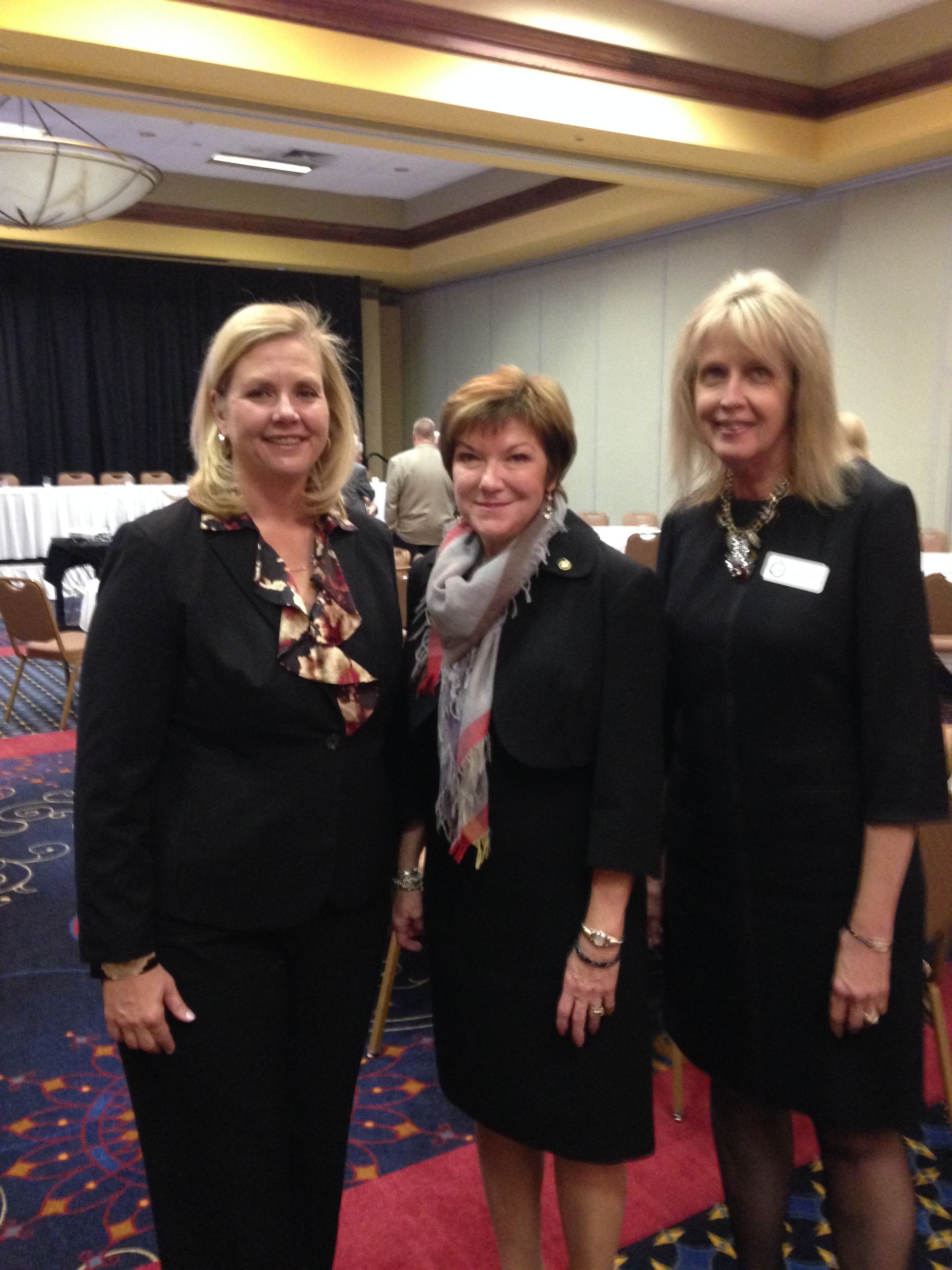
This year marks the tenth anniversary of the landmark legislation, also known as House Bill 1453. At a recent reception celebrating the law’s success, Catherine Hanaway and others who championed the bill in 2004 spoke on the progress our state has made and how we can provide even higher quality care to Missouri’s at-risk children.
Every child deserves a safe and nurturing place to call home. Unfortunately, those crafting HB 1453 found that state programs meant to help kids find stability and security often left them languishing in a complicated legal system that no child could begin to understand. HB 1453 was designed to prevent vulnerable kids, like Dominic, from falling through the cracks. The bill gave children removed from their homes the right to have a judge hear their case within 72 hours, required background checks for school personnel, and mandated that the Department of Social Services’ Children’s Division become accredited through a national organization. The law also established the Office of Child Advocate for Children’s Protection and Services to ensure that children received the proper services from state departments.
Find out what's happening in Ballwin-Ellisvillefor free with the latest updates from Patch.
Prior to 2004 the state was the only entity managing foster care cases. HB 1453 broadened the options for children in foster care by requiring the Children’s Division to partner with private, accredited entities to oversee cases. This public-private partnership has reduced the state’s caseload, allowing workers to spend more time with each child, and opened doors for families who prefer to work with trusted, local non-profits.
HB 1453 was backed by stakeholders across Missouri and passed the House of Representatives with only four dissenting votes. The overwhelmingly bipartisan support was a testament to Catherine Hanaway’s commitment to a quality bill. Child welfare issues have always been very near to her heart. Catherine Hanaway adopted her youngest child, who is now 12, and emphasized prosecuting child exploitation crimes as the U.S. attorney in St. Louis.
Find out what's happening in Ballwin-Ellisvillefor free with the latest updates from Patch.
This legislation dramatically improved the services available to children in Missouri, but it is by no means a finish line. To build on HB 1453’s successful legacy, the Appropriations – Health, Mental Health, and Social Services committee, which I chair, equipped the Children’s Division with funding for increased training to prepare caseworkers, career advancement opportunities to discourage turnover, and mobile technology to speed up time-sensitive investigations.
Former Governor Bob Holden, who signed HB 1453, stressed the importance of overseeing the Children’s Division’s spending at the reception. The Appropriations committee closely monitors the division’s budget and consistently requests performance outcomes to measure how well its programs are operating. Oversight and accountability will play an even greater role in the budget process during the upcoming session.
No child should ever be overlooked by the system designed to protect them. I look forward to working with department officials and child welfare advocates to implement additional reforms that will help more Missouri kids find a safe and permanent place to call home.