Neighbor News
Examining the Effectiveness of Mental Health Programs
Committees heard testimony last week on state programs that support Missourians with mental health needs and developmental disabilities.

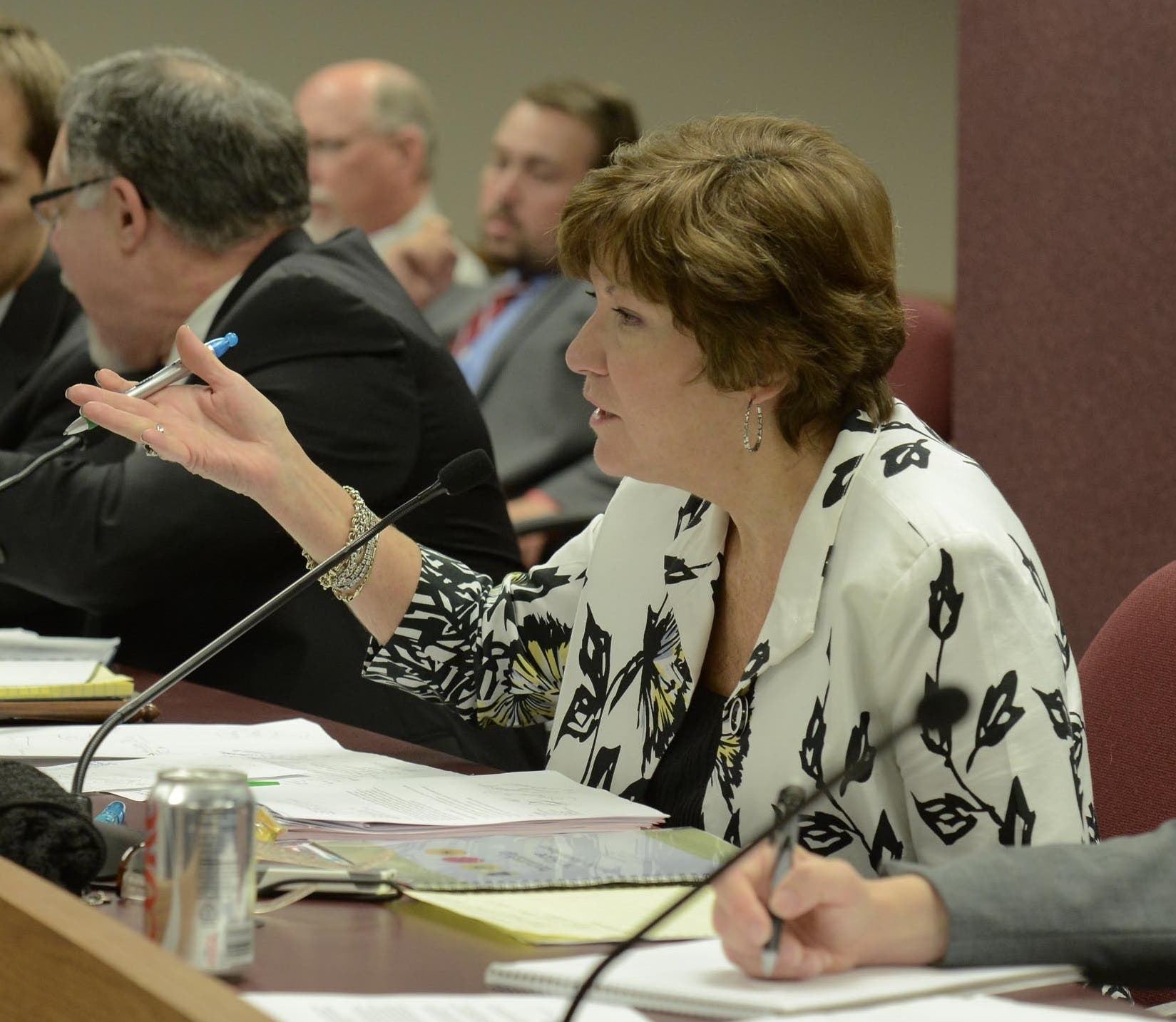
During transparency hearings last week, the Budget and Appropriations – Health, Mental Health, and Social Services committees heard testimony on numerous state programs, including those that support Missourians with mental health needs and developmental disabilities. The legislature has the responsibility to diligently oversee mental health programs to ensure that they effectively serve vulnerable individuals in our state and their families.
Partnership for Hope (PfH) is a unique program that allows counties to leverage state and federal dollars to provide employment, health, and therapy supports to developmentally disabled Missourians so they can successfully live in their communities. The University of Missouri Kansas City Institute for Human Development reviewed PfH and presented its findings at the August 27 hearing.
Researchers found that when the state and counties contribute one dollar each, PfH generates $5.31 in services and supports because of the federal match. In 2013 states and counties each invested $3.5 million in the program, and this money drew down $11.7 million in federal funds, contributed $22.2 million to Missouri’s gross state product, and created 425 jobs.
The maximum annual funding for each Partnership for Hope participant is $12,000, though many families spend less because they use PfH resources so judiciously. If these individuals did not receive PfH services and had to be placed in an institutional environment, the yearly cost would be $52,830 per person. PfH will save $23.5 million if it delays institutional care by five years for just 5% of its recipients.
Find out what's happening in Ballwin-Ellisvillefor free with the latest updates from Patch.
Moreover, PfH improves families’ emotional wellbeing, reduces caregiver stress, allows individuals with developmental disabilities to integrate into the community, and helps them become more independent.
Only fourteen counties in Missouri, including St. Louis County, have refused to participate in PfH. While other counties are generating $5.31 in services for each dollar spent, St. Louis County residents only receive one dollar of support for each dollar spent. PfH has also helped counties reduce or eliminate Medicaid In-Home Waitlists for individuals with developmental disabilities. As of March 2014, 88% of Missourians on the developmental disabilities waitlist lived in St. Louis County.
Find out what's happening in Ballwin-Ellisvillefor free with the latest updates from Patch.
I have had numerous discussions with St. Louis County officials about PfH, but every citizen has a stake in encouraging the government to invest in programs that generate financial and quality of life returns. If you would like to see St. Louis County join PfH, you can contact the county’s Productive Living Board at 314-726-2606 or http://www.plboard.com/contact.aspx.
The Budget and Appropriations committees also heard testimony on Cottonwood Residential Treatment Center in Cape Girardeau, which cares for children with severe emotional and mental health needs. This facility is scheduled to close as part of the Governor’s budget restrictions. Staff, parents, and area Representatives came to the hearing to support keeping Cottonwood open through cost reductions.
Private entities can often provide the same services as government programs at a reduced cost, but Cottonwood advocates believe that the care at this facility cannot be replicated. The Department of Mental Health spoke on its efforts to provide adequate care for children in need while using agency funds responsibly. It was a very emotional hearing because all parties involved want the best outcome possible for our state’s vulnerable children.
These hearings provided excellent opportunities for legislators to delve into the budgets of government programs, and I commend members of the Appropriations committee for their dedication to increasing transparency and accountability. The next oversight hearing for the Appropriations – Health, Mental Health, and Social Services committee will be September 8 at 1:00 pm in the Capitol.