Neighbor News
Medicaid Backlog Harms Vulnerable Missourians
A House committee pressed DSS for solutions to the Medicaid application backlog, lost materials, and call center hold times.

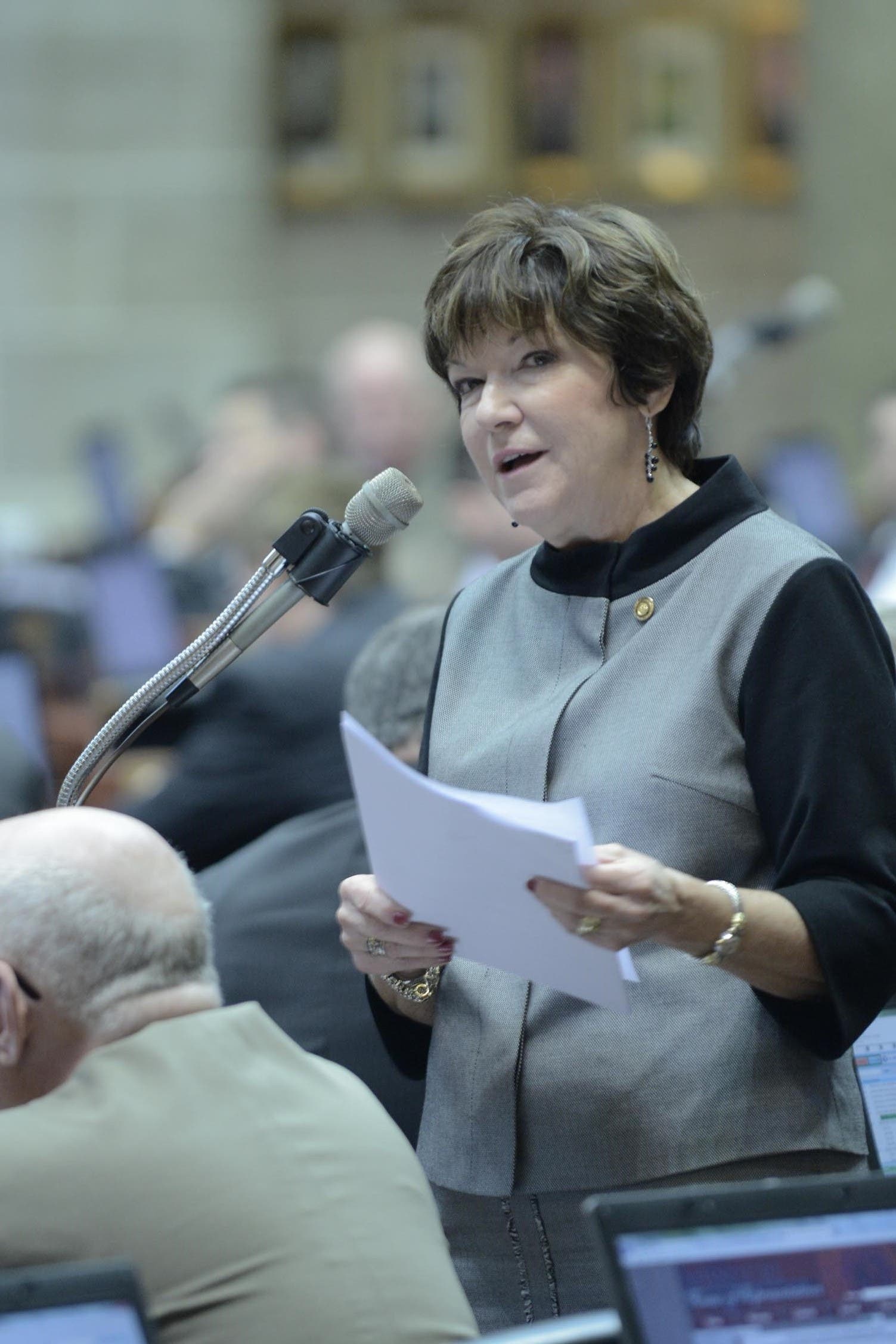
For almost a year, vulnerable Missourians applying for Medicaid have faced application backlogs, lost materials, and call center hold times as long as thirty minutes. The Department of Social Services (DSS) has long acknowledged that this is unacceptable but was very slow to implement meaningful solutions. The Appropriations – Health, Mental Health, and Social Services committee held an oversight hearing on October 20 to gauge the department’s progress.
In early 2014 the number of pending Medicaid applications neared 50,000, and this backlog has resulted in excessively long processing times. A seventy-year-old woman waited three months for DSS to fix an error that caused her grandchildren’s benefits to be denied, and another grandmother spent six months trying to enroll her grandson. Pregnant women’s applications are supposed to be processed in fifteen days, but one Mid-Missouri woman battled the system for four months before receiving help. Such lengthy delays in prenatal care coverage endanger mothers and their unborn children.
DSS offices have repeatedly lost application materials, and the call center, which is managed by a private company, had average wait times almost triple the contractual limit. Since the department is struggling to keep up with the current caseload, it would be foolish to add hundreds of thousands of able-bodied adults to the Medicaid rolls through expansion.
Find out what's happening in Ballwin-Ellisvillefor free with the latest updates from Patch.
Unfortunately, the slow and ineffective response from DSS is indicative of the continued inefficiency and lack of responsibility we have seen in the department for years. The call center did not meet the mandatory hold time from February to September 2014, but DSS waited until August to request a corrective action plan. DSS assigned a staff team to return consumer’s calls, but its success rate is only 30%. Officials told the committee that we would see improvements by mid-December, and we will hold them accountable for meeting this deadline.
The committee also discussed crisis intervention services with the Department of Mental Health. Too many Missourians with mental illness lack consistent services and only enter treatment after committing minor crimes. Last year the legislature funded Community Mental Health Liaisons to help people obtain services, mental health training for police officers, and ER enhancements to better handle psychiatric emergencies. While these programs are extremely beneficial, the legislature must now concentrate on helping individuals before they reach a crisis state.
Find out what's happening in Ballwin-Ellisvillefor free with the latest updates from Patch.
Department of Health and Senior Services officials testified on the department’s plan to protect Missourians from an Ebola outbreak. Missouri’s public health lab has been designated an Ebola testing lab, and the Governor released over $3 million that the legislature had appropriated for public health. These actions may not be enough to keep Missourians safe, and I was unimpressed by the department’s lack of a comprehensive strategy.
The next legislative session will convene in January, and the committee will continue overseeing departments and requesting performance measures while drafting their fiscal year 2016 budgets. Such oversight is critical because the House plans to delve into how well programs serve Missourians when allocating the state’s limited resources.