Neighbor News
Americans with Disabilities Act Celebrates 25 Years in July
The Starkloff Disability Institute is helping people with disabilities participate fully and equally in all aspects of society.

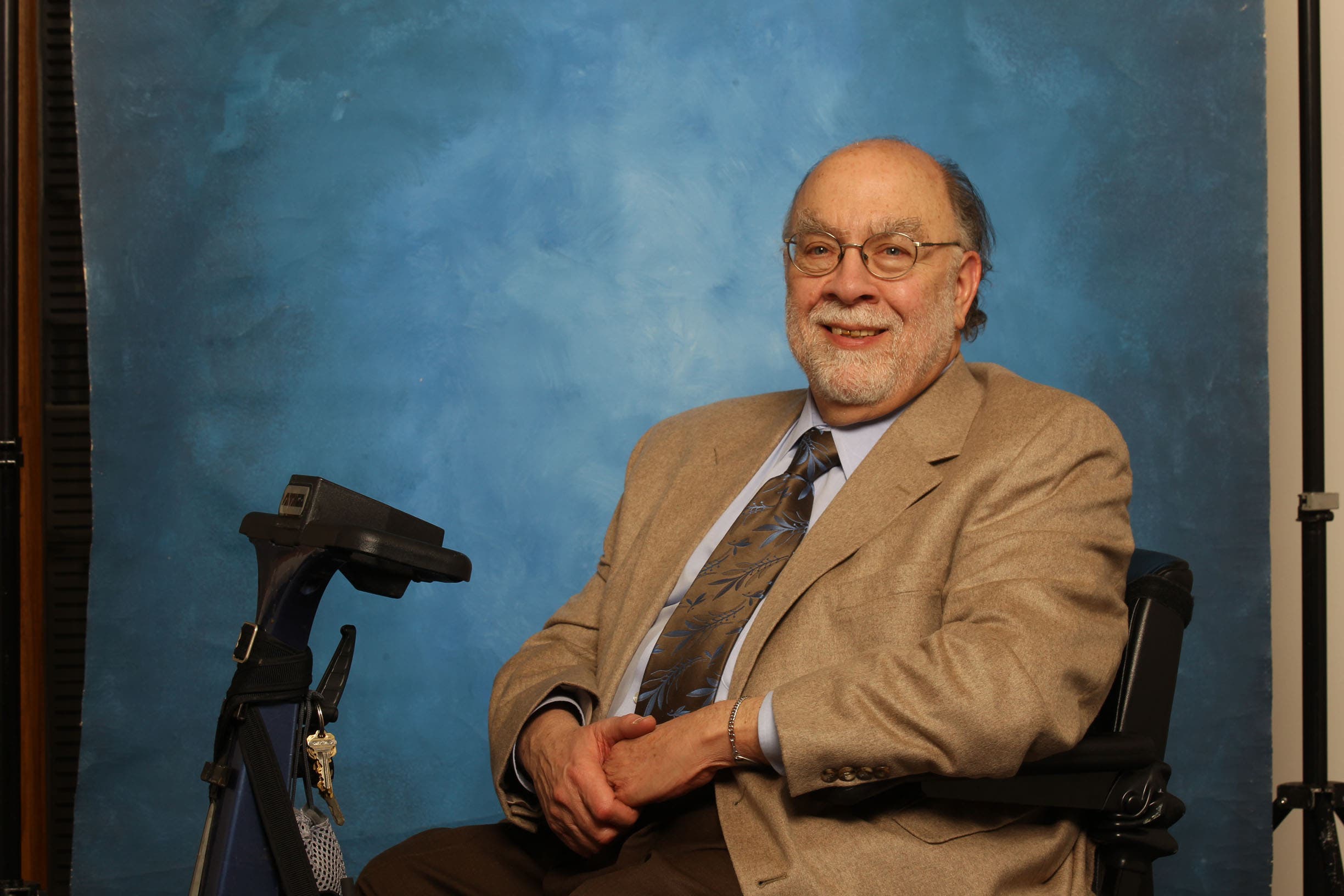
July 26, 2015, marks the 25th Anniversary of the Americans with Disabilities Act (ADA). Celebrations of the signing of the ADA by President George H.W. Bush on July 26, 1990 will take place in Washington D.C., St. Louis, and cities across the nation this year.
Today, approximately 57.8 million Americans have a disability, including 5.5 million disabled American veterans.
Unlike a generation ago, all people who are disabled now benefit from wheelchair- accessible public restrooms and curb ramps, parking spaces for the disabled, wide checkout areas at stores, Braille signage for people who are visually impaired, specialized arts and entertainment accessibility and more made possible by the ADA.
Find out what's happening in Clayton-Richmond Heightsfor free with the latest updates from Patch.
Despite this landmark legislation, many disability rights issues, especially employment, still need to be addressed.
David Newburger, J.D., is Commissioner on the Disabled for the City of St. Louis and Co-Director of Starkloff Disability Institute (http://www.starkloff.org). Newburger had polio as an infant and has mobility disabilities.
Find out what's happening in Clayton-Richmond Heightsfor free with the latest updates from Patch.
“Unemployment levels among people with disabilities are much the same as 1990 when the ADA was enacted,” Newburger says. “About 80 percent of working age people with disabilities do not have jobs,” he says. “That compares to about 40 percent of the entire working age population.”
Department of Labor Hiring Goals
To begin securing employment for more people with disabilities, the Department of Labor promulgated a new rule under section 503 of the Rehabilitation Act. The new rule requires federal contractors to have a goal of seven percent of their workforce be people with disabilities and, if they cannot meet that goal, to document their serious effort to achieve it.
The new rule affects about 171,000 companies doing business with the federal government. Newburger believes many companies are trying to figure out how to effectively employ and retain qualified people with disabilities.
To address the problem the Starkloff Disability Institute (SDI) developed “The Next Big Step” program, so named because getting a job is the next big step for many people with disabilities. St. Louis-based companies including Ansira, Centene, Enterprise Holdings, Express Scripts and Nestle Purina, participate in this initiative.
SDI offers training so human resources staff and hiring managers can become more familiar with people with disabilities and overcome preconceived notions, including costs of accommodating employees who are disabled. Steve Degnan, Chief Human Resources Officer of Nestle Purina and SDI’s board chairman, calls the cost of accommodations trivial, especially given the usually high retention rates of employees with disabilities.
SDI seeks out educated people with disabilities that companies might hire. Many of those people are job-qualified but don’t know how to show companies the value that they will bring to the job. SDI runs classes on job seeking skills and consults with those who cannot participate in classes. SDI involves human resource staff and hiring managers in teaching productive job-seeking skills to people with disabilities.
“Unemployment of people with disabilities is a national problem,” says Newburger. “Leading job candidates who are disabled to successful employment will help fulfill the vision of the ADA.”
For more information, contact the Starkloff Disability Institute at 314 588 7090.
t-f?yſ