Health & Fitness
Clayton Doctor Explains the Basics of Blood Pressure
Dr. Poole answers basic questions regarding hypertension.
What is blood pressure?
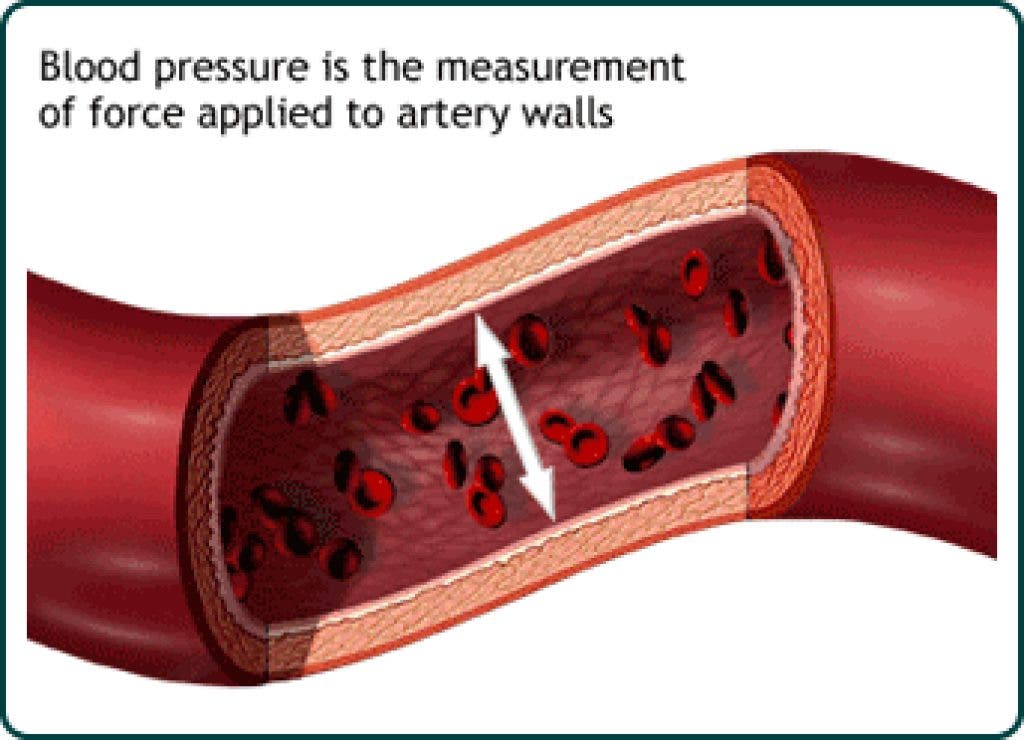
Blood pressure is the pressure – think force, strength, or power – of blood in your arteries, the vessels that carry blood away from the heart. It is measured during two phases of your heart beat. The first is when the main chamber of the heart contracts or squeezes blood throughout the body and is termed systole, pronounced sis-toe-lee. Systolic blood pressure is the higher of the two blood pressure phases, because a higher amount of pressure is needed to pump blood from the heart all the way to organs such as the brain, lungs, kidneys, and musculoskeletal system. Diastole, pronounced diaz-toe-lee, is the period of relaxation and refilling of the main chamber of the heart. Pressures throughout the arteries are lower during diastole because there is no force being exerted through them.
How is blood pressure measured?
Find out what's happening in Clayton-Richmond Heightsfor free with the latest updates from Patch.
Blood pressure is usually measured by obtaining the pressures in the brachial artery of your arm. A pressurized cuff is inflated and then slowly deflated through a range of possible pressures, measured in mmHg. As the cuff deflates, your medical assistant, nurse, and/or doctor can hear little sounds via a stethoscope, alerting him/her of your systolic and then diastolic readings. You are then provided with two numbers, one on top of the other. The top number represents the systolic pressure in your brachial artery, and the bottom number represents the diastolic pressure in your brachial artery. Normal blood pressure is numbers between 90 and 120 mmHg on the top and 60 and 80 mmHg on the bottom.
What is hypertension?
Find out what's happening in Clayton-Richmond Heightsfor free with the latest updates from Patch.
Hypertension is simply chronic or persistently high blood pressure. As mentioned, normal blood pressure is less than 120/80 mmHg. When pressures are between 120 and 140 mmHg on the top and 80 and 90 mmHg on the bottom, the term pre-hypertension is used. Blood pressures consistently over 140/90 mmHg are classified as hypertensive. Stage 1 hypertension is 140-159 mmHg during systole and 90-99 mmHg during diastole; stage 2 hypertension is 160+ mmHg and 100+ mmHg.
What causes hypertension?
The causes of hypertension are numerous, but know that most people with hypertension have what is called essential hypertension. Essential hypertension has no specific cause, and some people just happen to be predisposed to having it. However, people with essential hypertension should be in-tune to the general things that affect blood pressure in an effort to minimize their blood pressure elevation.
Otherwise the following can increase blood pressure:
- Age and stiffening of the arteries
- Salt intake
- Water retention
- Stress and hormones
- Smoking
- Obesity
- Excessive alcohol intake
- Kidney or adrenal gland problems
Why is hypertension bad?
Having chronically, untreated elevated blood pressure can cause numerous negative health outcomes. High blood pressure is A MAJOR risk factor for stroke and heart failure. High blood pressure also has deleterious effects on kidney function and eye sight. Lastly, hypertension can predispose patients to dissections of the arteries and aneurysms, or out-pouching, of the arteries.
Can I tell if my pressure is high?
No. However, when blood pressure becomes extremely high some patients can experience some combination of the following:
- Head pressure
- Flushing
- Chest pain and palpitations
- Blurry vision
- Confusion
- Vomiting
How is high blood pressure treated?
The mainstays of treatment for hypertension include smoking cessation, improved diet with reduced salt intake, weight loss, exercise, and stress reduction – all things that you can both initiate and control. All of these things have great effects on blood pressure, but as you know, they are all easier said than done. Eventually, most patients end up needing a little extra help, and that’s where we come in as physicians.