Neighbor News
Missouri Property Owners Can Appeal Real Estate Assessments in 2015
"Successful appeals can save substantial sums of money in taxes."

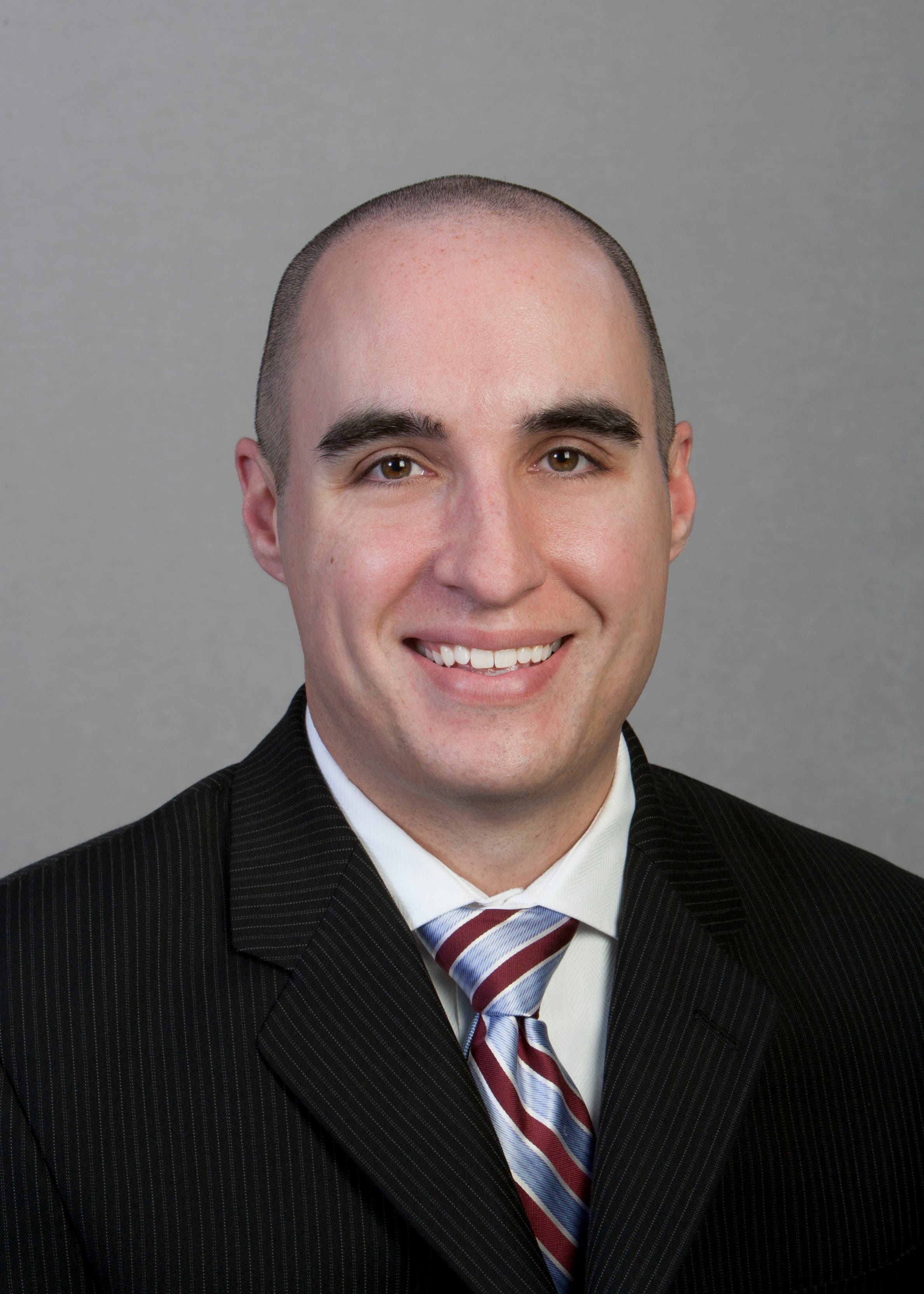
JANUARY 5, 2015, St. Louis, Missouri…Missouri property owners that disagree with real property reassessments in 2015 can appeal those assessments to potentially lower their tax bill, notes Drey A. Cooley, attorney with the law firm Capes, Sokol, Goodman & Sarachan, P.C.
“Commercial and residential property owners, including not-for-profit organizations, are entitled to appeal their assessments – not all real property assessments are accurate,” says Cooley, who represents property owners before city and county boards of equalization in Missouri and the Missouri State Tax Commission.
“Missouri real property assessments are conducted in odd-numbered years and are designed to establish the fair market value of real property as of January 1. The appraised real estate value determines the amount of taxes assessed on the property, yet appraised values are often disputed and successfully appealed,” he says. “Successful appeals can save substantial sums of money in taxes.”
Find out what's happening in Clayton-Richmond Heightsfor free with the latest updates from Patch.
“Appeals can be made for overvaluation, discrimination, misgraded agricultural land, exemption, and misclassification. A property owner must follow strict deadlines to appeal the assessed value.”
Cooley writes the Missouri Real Estate Tax Appeals blog at http://www.missourirealestatetaxappeals.com. He notes that a hospital system in metro St. Louis successfully reduced its property tax assessment of two healthcare buildings by $2 million and $600,000, respectively, by appealing its tax assessment for tax years 2011 and 2012.
Find out what's happening in Clayton-Richmond Heightsfor free with the latest updates from Patch.
In another example, a theater owner successfully reduced its property tax bill by nearly 50 percent when the ruling by the Missouri State Tax Commission reduced the original appraised commercial value of $8,905,370 to $4,500,000.
Cooley says, “The appeals process has three stages. These involve a meeting at the assessor’s office to learn how the assessment was made, factors considered and what type of records the Assessor utilized. That meeting is followed by an appeal to the county’s Board of Equalization (BOE) and, if the BOE appeal is not successful, an appeal to the Missouri State Tax Commission.”
“By state statute, the BOE can only accept real estate and personal property assessment appeals filed before the second Monday in July of each year. Usually between May 1 and the second Monday in July, property owners may file an appeal by mail, or, if accepted, electronically with the BOE,” Cooley says.
“The State Tax Commission process is formal and largely governed by Missouri’s Rules of Civil Procedure. This means that only certain documentation is admissible and complex discovery is conducted. Legal representation is recommended.”
“Property owners cannot simply complain that their property tax is too high; they must present evidence that the assessed value is incorrect, and support their opinion of correct assessed value,” Cooley explains. “Such evidence can come from, for example, an appraisal, sale of the property, lease agreement and photographic evidence of the property at or near the time the property was reassessed or factual or expert witness testimony concerning the property’s assessed value from the owner or third-party witnesses.” Merely pointing to your neighbor’s house for sale down the street is not sufficient.
“The State Tax Commission appeals process takes time. Assessed taxes often must be paid before the matter is completed. Upon a successful result in front of the State Tax Commission, any overpayment will be reimbursed provided that payment was made under protest.”
Cooley is a member of the Missouri Bar, the Illinois Bar, the Federal Bar and the Bar Association of Metropolitan St. Louis, as well as the National Association of Criminal Defense Lawyers and the Missouri Association of Criminal Defense Lawyers. He is a member of the Board of Directors of the not-for-profit St. Louis Health Equipment Lending Program. Cooley earned a J.D. at University of Michigan Law School, and a B.A., Psychology, Phi Beta Kappa, with honors, at Washington University in St. Louis.
Capes Sokol represents individuals, corporations, small and mid-sized businesses and nonprofit organizations in litigation, transactional work and alternative dispute resolution. The firm serves clients in 11 different practice areas. The firm’s offices are at Pierre Laclede Center, 7701 Forsyth Boulevard, 12th Floor, St. Louis (Clayton), Missouri 63105. Phone 314.721.7701 or see http://www.capessokol.com.
***