Community Corner
Tent Caterpillars Ripple Through Eureka, Wildwood
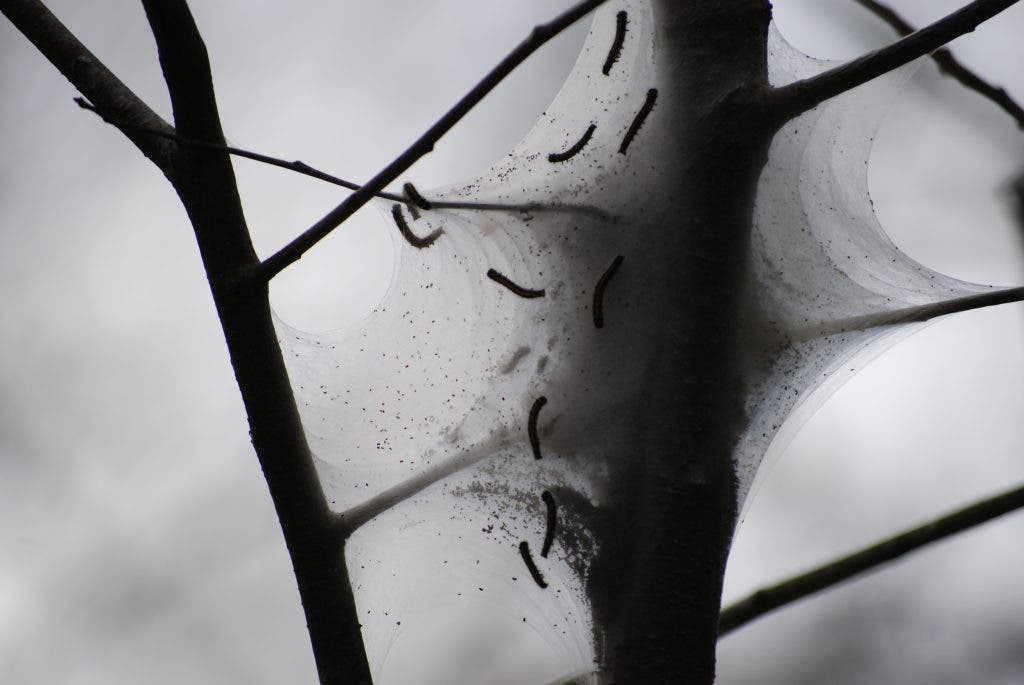
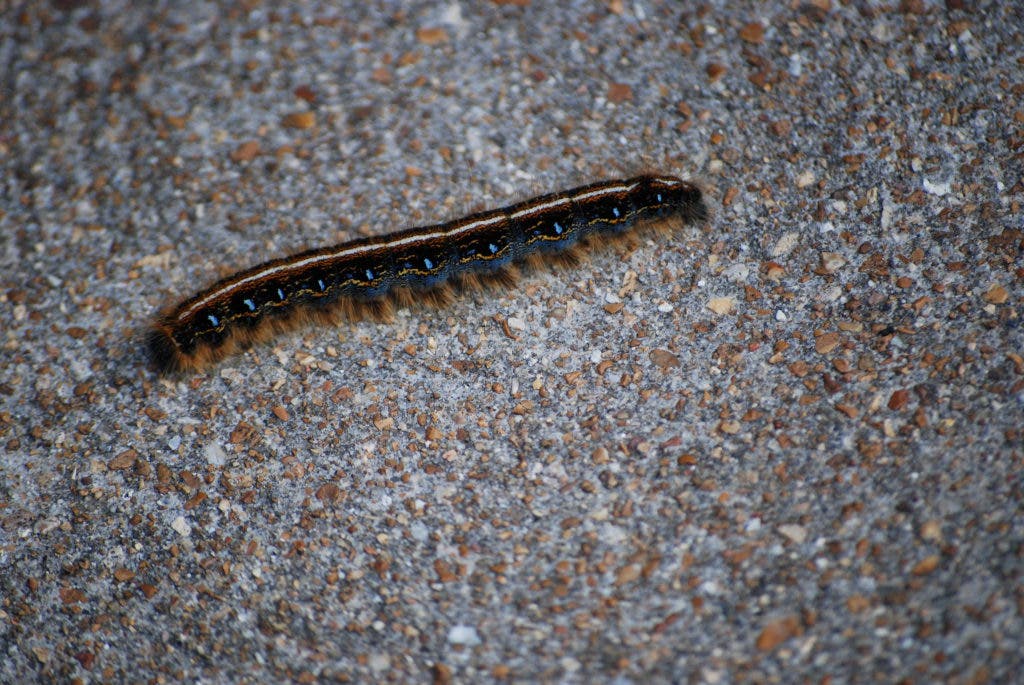
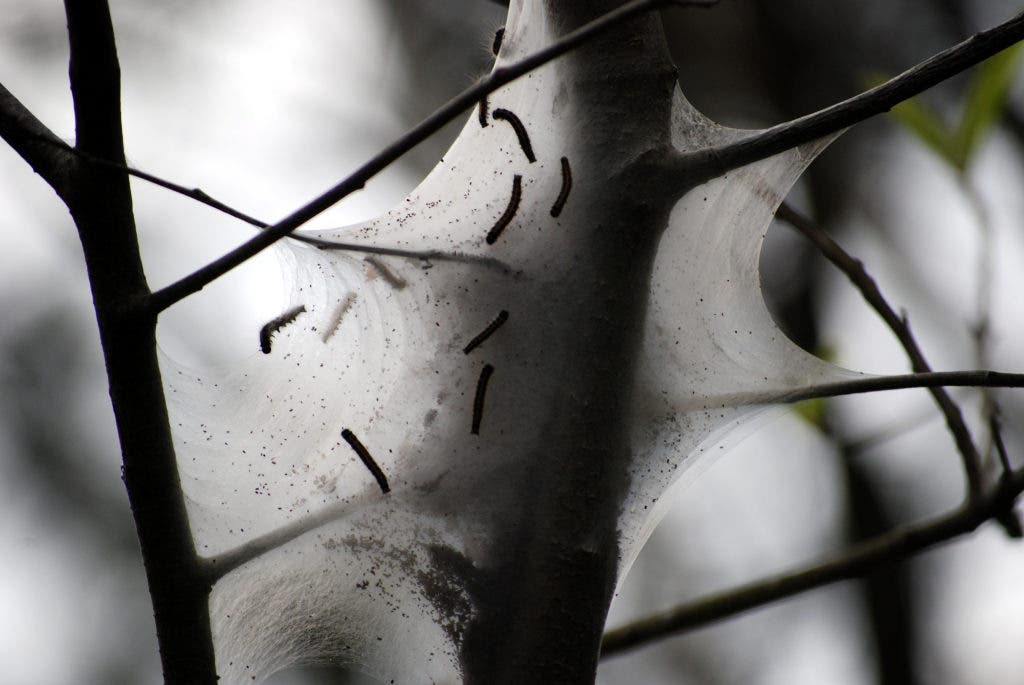
Caterpillars emerge from and leave their tree tents, and currently are seeking a cocoon location. Then, this fall, they will emerge as moths. Should you take any action about the tenacious tents?


When the article was published Thursday morning, several Eureka-Wildwood Patch readers chimed in with thoughts and observations about them. A poster with the online name Lisa agreed it felt like we recently were being invaded by these small, woolly creatures. gardener indicated they also are called "web worms."
indicated her daughter and friends have been collecting these caterpillars. Holly Records, master gardener coordinator, University of Missouri Extension/Missouri Botanical Garden even checked with the Missouri Botanical Garden plant doctor about them as a result of the article.
Nathan Brandt, a horticulture specialist with the University of Missouri Extension-St. Louis, responded to the article they are Eastern Tent Caterpillars (ETC), the larval stage of an inch-long reddish brown moth. He stated they are especially prevalent this year due to the preceding mild winter season and subsequent warm spring weather.
Find out what's happening in Eureka-Wildwoodfor free with the latest updates from Patch.
Brandt said the caterpillars start out as eggs in tight, dark, foamy masses that the moths lay around twigs. After hatching, they migrate together to forks of branches and spin a silken tent for protection. Caterpillars emerge early to feed on foliage and head back home to their tents during the warmest part of the afternoon. After four to six weeks, mature caterpillars will "leave the nest" and find a protected spot to spin a cocoon.
Do you need to do anything about Tent Caterpillars?
Find out what's happening in Eureka-Wildwoodfor free with the latest updates from Patch.
If a particularly prized plant is being stripped of its leaves, Brandt said to scrape the tent and caterpillars into a bucket of soapy water or spray the plant with a product containing Bt., Thuricide, for example. "Otherwise just enjoy watching them and let nature take its course! Most plants can recover from ETC feeding without too much difficulty," he stated.
Neighboring Patch editor Dan Barger for Fenton-High Ridge thought the caterpillar invasion was intriguing as well, so he asked a butterfly expert about it yesterday.
In recent days, many of the tent caterpillars have left their cozy abodes to walk around on driveways and backyard decks and patios, looking for a place to build a cocoon.
According to the University of Missouri Extension Service website, the Eastern Tent Caterpillar is a native defoliator that occurs as far west as the Rocky Mountains. The Extension Service website also indicates the preferred tree hosts for the caterpillar are wild cherry, apple and crabapple, but it will occasionally feed on forest and ornamental trees such as ash, birch, maple, oak, poplar, cherry and plum.
The good news, said Chris Hartley, coordinator of education at the Sophia M. Sachs Butterfly House, is that once the caterpillars have left their tents, they are mostly harmless. And, while the web-like tents may be unsightly, they typically aren't damaging to the tree.
"They are worse on young trees," Hartley said.
On mature trees, not so much, Hartley said.
"Once they are off their host tree they won't cause any damage," Hartley said. That includes any potential damage to landscaping foliage and backyard potted plants.
"They may make a cocoon in a potted plant, but they shouldn't cause any damage," he said.
As for getting rid of the caterpillars while they still are in their tents, Hartley said the only solution is to lop off the branch where the tent is located. Sprays or other bug killers typically don't work, he said, because they won't penetrate the webbing of the tent.
Hartley said he doesn't have the scientific data to support an opinion as to whether the mild winter has led to an increase in the Eastern Tent Caterpillar, indicating that they typically are "a late spring kind of thing." He said he has received reports from all over the St. Louis area about the caterpillars.
After emerging from their tents, the caterpillars will build a cocoon around itself on the sides of trees, among the debris on the ground, on brush and weeds, fences and even on sides of buildings, according to Extension Service materials. Then in the fall, Hartley said, "little moths will emerge."
Now we wait to see if we have a moth invasion this autumn.
Get more local news delivered straight to your inbox. Sign up for free Patch newsletters and alerts.