Community Corner
Hazelwood Green Thumb Guide: 10 Best Plants to Grow in Hazelwood
When looking for trees and plants for your garden, it is important to consider all the factors before your purchase, such as quality, performance, consistency and routine. The following garden glories are sure to satisfy and are easy to grow and maintain.


Looking to learn the art of the "Green Thumb?" Well Hazelwood Patch has a few keys to perfect planting in Hazelwood. If you want some plants that will be successful in this North County terrain, take a look below.
-
Maple: Acer miyabei ‘Morton State Street,’ otherwise known as maple, is a good choice to plant in your yard. It grows 30-40 feet tall at maturity, and its thick medium green, five-lobed leaves turn a stunning yellow in the fall, making it beautiful all year long.
-
Purple Flash: Ornamental Pepper, or Capsicum annuum ‘Purple Flash,’ is grown in St. Louis as an annual. The plant may be grown from a seed indoors to start or outside once the last frost has ended. The ornamental plant has near-black leaves coupled with bright purple leaves and produces small black fruit, which can be eaten, but are extremely hot.
Find out what's happening in Hazelwoodfor free with the latest updates from Patch.
Winterberry: Another good choice is winterberry, or Ilex verticillata ‘Afterglow.' This shrub does well in both full sun or part shade. It should be noted that this plant requires a male pollinator such as 'Jim Dandy;' six to eight females can be pollinated from one male. The plant has dense orange-red berries that stay throughout winter, hence the name. Winterberry grows 3-6 feet and is great food for birds.
Iris: Siberian iris, Iris ‘Caesar’s Brother,’ is a common favorite here in Hazelwood. These beauties are great butterfly attractors and do well in medium to wet soil. They grow 3-4 feet tall and produce gorgeous purplish-blue flowers in May.
Find out what's happening in Hazelwoodfor free with the latest updates from Patch.
Begonias: Bigonia grandis, or hardy begonia, is the strongest begonia in the area, even in winter. It has large medium green leaves, with an underside of reddish-green and red veins. Baby pink flowers bloom July to early fall. These plants typically grow 18-24 inches both horizontally and vertically.
Kale: A plant you’ve probably seen a million times but never thought to grow is Brassica oleracea ‘Redbor,’ best known as kale. A favorite garnish for restaurants, the plant looks equally stunning in home gardens. Kale grows best in cool weather and full sun. It has reddish-purple frilly leaves that darken as the temperatures drop.
Magnolia Butterflies: Magnolia trees, or ‘Magnolia Butterflies,’ are a specialty of this area. A beautifully elegant tree that does best in the early spring and away from extremely windy conditions, this hybrid magnolia has yellow flowers and usually grows 18-20 feet tall. The dark green oblong leaves give off a lemony aroma.
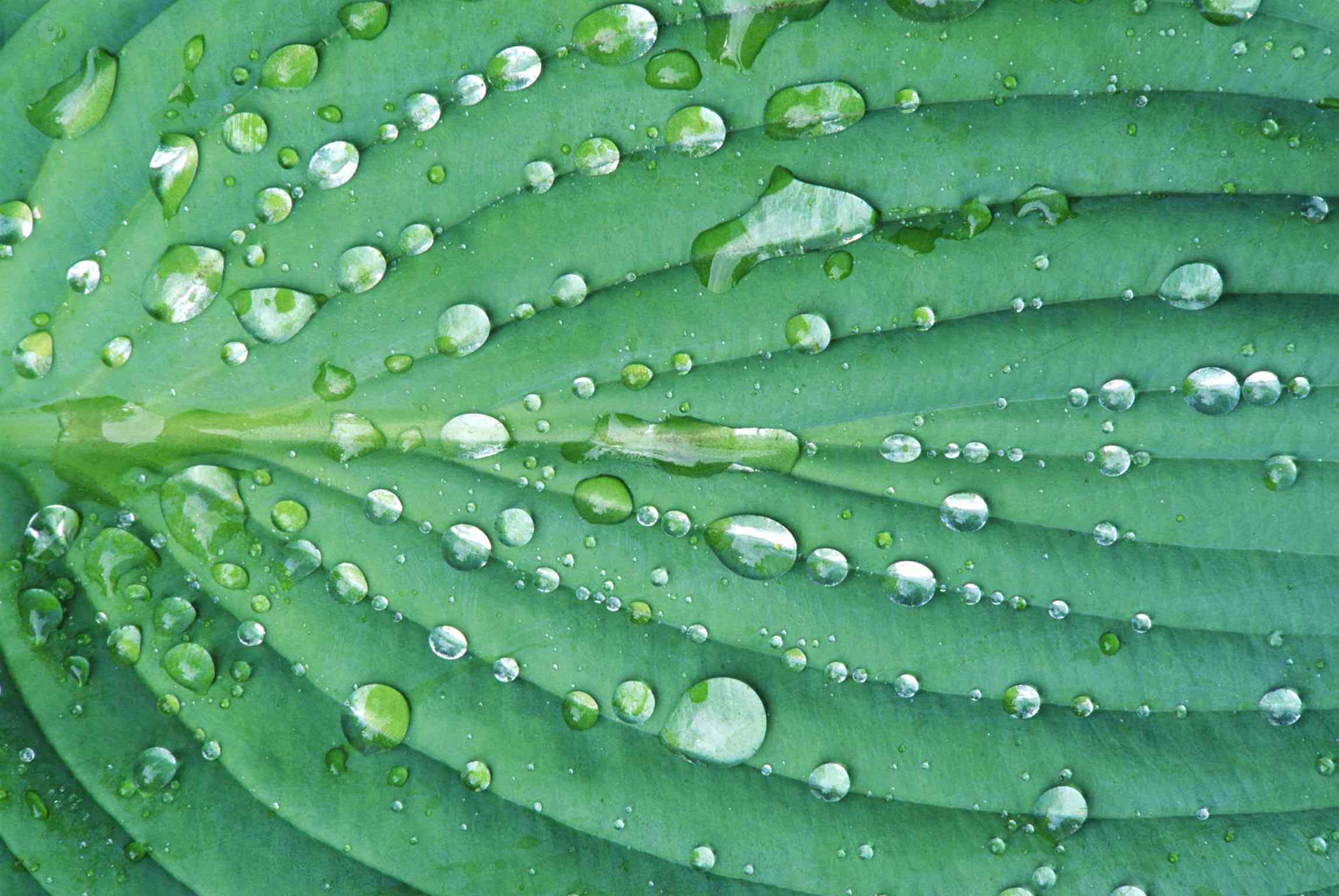
Hosta June: The perennial plant, hosta, or hosta june (among other types), are a very popular plant in the Hazelwood area. The plants are easy to care for and don’t need much maintance. Hostas do best in the shade and are natural hummingbird attractors. The large blue-green leaves and lavendar flowers are complimentary to any garden.
Hydrangea anomala subsp: If you are looking for a sturdy climbing plant for your fence or arbor then choose a hydrangea anomala subsp, petiolaris, or climbing hydrangea. These deer-resistant vines can grow 30-50 feet high and can grow horizontally as well. They bloom white flowers, which look great freshly cut or dried, in late spring and do best in shady and moist places.
Carex ‘Ice Dance’: If all these plants and trees seem intimidating to you, then go with a safe bet such as carex ‘Ice Dance,’ better known as Japenese grass sedge. Grasses look very nice when paired with surrounding plants or by themselves. This grass looks especially nice next to ponds and streams. The leaves are gorgeous medium green with clear white margins.