Schools
Should You Send Your Child to School Sick?
A local elementary school principal and a pediatric nurse weigh in on when you can send kids to school with symptoms and when you should keep them home.
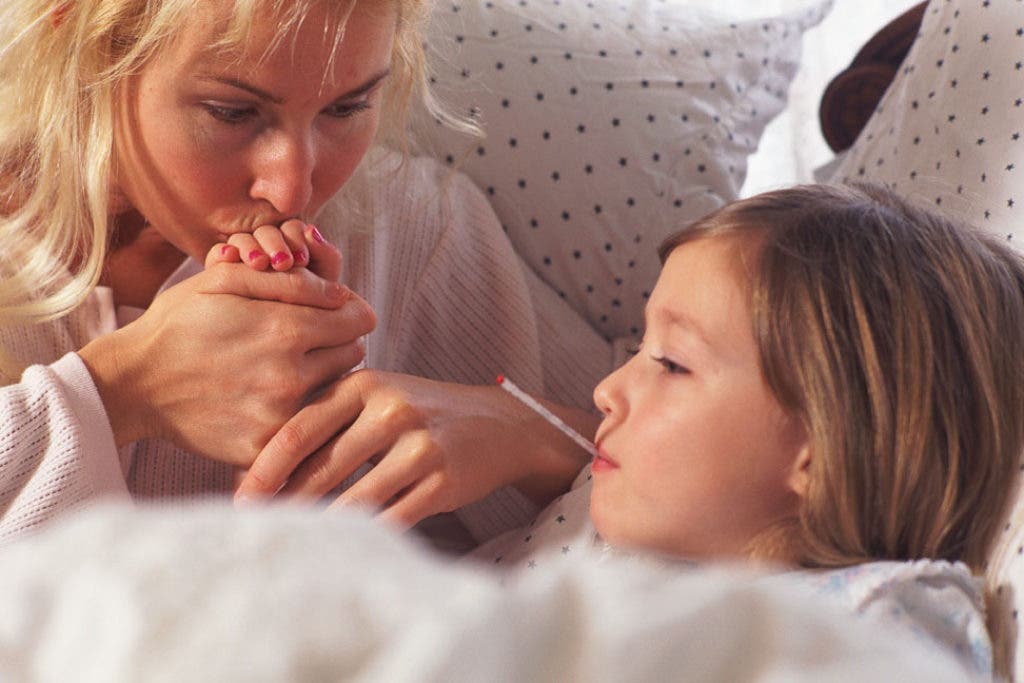
Every parent has experienced the crushing realization that when their children first start school or day care, they can (and usually do) catch every illness that goes around. The younger they are and the less they’ve been exposed to other kids, the harder it seems to hit them.
As most kids go through this phase, pediatricians tell worried parents that they’re just building up their immune systems, and that it’s pretty normal.
But for some kids, it’s not so simple. For example, Hazelwood mom Lisa Thompson has an 11-year-old daughter who is a recent cancer survivor.
Find out what's happening in Hazelwoodfor free with the latest updates from Patch.
“I don't think parents realize how many kids that have weakened immune systems are at school,” Thompson said. “I was a worried maniac about it when she was going through chemo, so she did most of her schooling at home.”
And even when students are otherwise healthy, they may be bringing home illnesses to family members who are in poor health, or pregnant moms or infant siblings.
Find out what's happening in Hazelwoodfor free with the latest updates from Patch.
After a kindergarten teacher at recently sent a note home to parents that stated there were several cases of strep throat and pink eye in her class, Hazelwood Patch got in touch with Armstrong principal, Dr. Amy Dittmar, and asked for her thoughts on the topic.
While Dittmar said that the school had less than 10 confirmed cases of strep and only one confirmed case of pink eye, she noted that students who come to school with fevers or untreated viruses can be contagious, and that it can easily spread to other students and staff.
She said that new teachers tend to have more illness-related absences than their more experienced counterparts.
“Typically, new teachers can get sick more often because they are being exposed to more germs than their bodies are used to,” she said. “Once their immune system is stronger, their absences decrease, although illnesses can affect anyone at any time.”
Why Do People Send Their Kids to School Sick?
Janet Hood, a registered nurse who works in a busy Hazelwood pediatric office, said that she thinks people send their kids to school sick for a variety of reasons.
“Some don’t realize they’re sick or maybe don’t recognize the symptoms,” she said. “I know sometimes it’s difficult to take off work or to arrange for another caregiver at the last minute.”
Hood said that parents often tell her that their child wanted to go to school to take an important test or participate in a certain activity. For example, she said, if children miss school before a sporting event, they aren’t allowed to play. She said that for older kids, this can affect things like recruitment for a team or college scholarships.
“I don’t think that any parent intends to send their child out into the world to infect other people’s children,” Hood said. “But that’s exactly what they’re doing.”
When Should You Keep Your Kids Home?
Hood said that when kids have a temperature, they are likely contagious. In addition to fevers, she said kids should stay home if they are vomiting or have diarrhea or pink eye, as these all very contagious. Kids who have ringworm or head lice can easily pass them to other students as well.
Dittmar agreed, and said that students who have a fever of 100 degrees or higher will be sent home if they come to school.
“Students that are vomiting are also sent home,” Dittmar said. “If they have a contagious illness like ringworm, lice or scabies, they should remain at home until released by a doctor.”
In most cases, students can return to school after they have been fever-free for 24 hours, Dittmar said.
“Students that are under a doctor’s care can return to school as soon as the doctor determines it’s safe for themselves and others,” she said.
When Is It Acceptable to Send Kids to School With Symptoms?
Hood said that things like allergies and asthma are not contagious, even though a child may feel ill while experiencing symptoms. She said that kids with poison ivy or ear infections can also go to school safely, as these are not contagious.
“Most schools have policies about when to keep the child home,” Hood said. “It’s not always easy to be the parent and make the right decision. Illnesses take time to work themselves out.”
Dittmar said that if kids have runny noses or other allergy symptoms, parents should send them to school.
“As long as they do not have a fever or an untreated contagious condition, they can attend school,” she said.