Health & Fitness
What You Should Know About West Nile Virus
With summer bug season fast upon us, now is a good time to review the signs and symptoms of West Nile Virus.

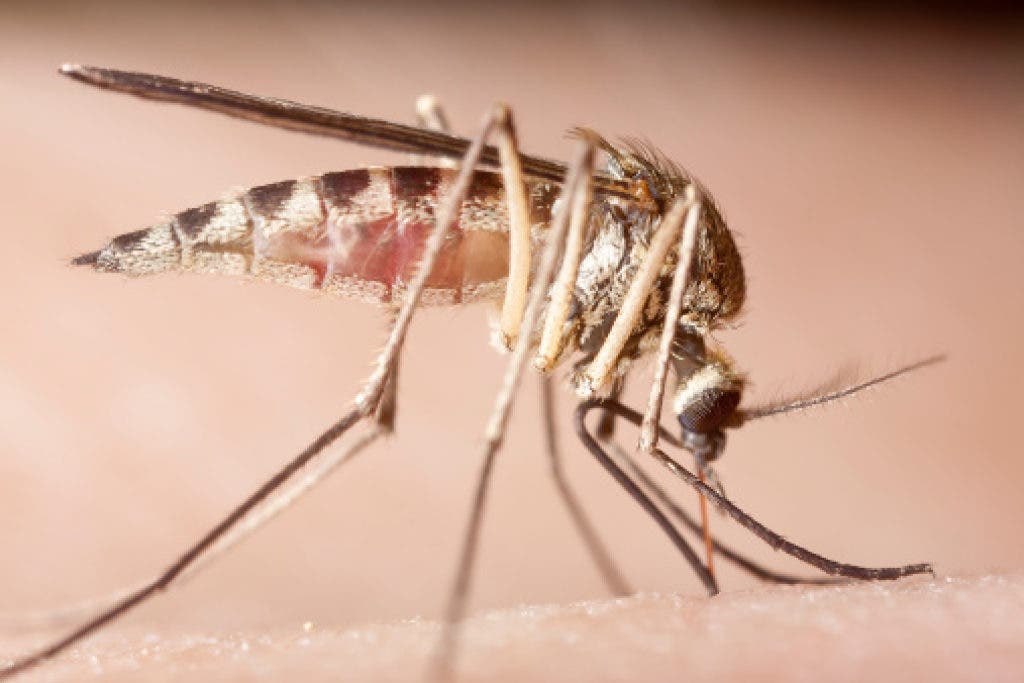
Depending on the species, the lifespan of mosquitoes can range from as short as four days to as long as one month. But during that time mosquitoes can not only make life very unpleasant for the people they bite, but also possibly pass on West Nile virus.
West Nile virus was first isolated in Uganda in 1937. It is most commonly found in Africa, West Asia, Europe and the Middle East. Within five years of being identified in New York City in 1999, the virus had been found in birds and mosquitoes in every state except Alaska and Hawaii.
West Nile spreads to humans and animals through infected mosquitoes; it cannot be passed by touching or kissing an infected person. The risk of infection is very low through blood transfusions because donors are screened for the virus.
Find out what's happening in Kirkwoodfor free with the latest updates from Patch.
I spoke with Dr. Peg Petralia, medical director at the Urgent Care by Des Peres Hospital about West Nile.
"The incubation period from time of infection is usually between two and 15 days," said Petralia. "Approximately 80 percent of people infected with West Nile virus do not experience any signs or symptoms. About 20 percent of people may develop a mild infection called West Nile fever that can cause headache, fatigue, fever, nausea, vomiting, loss of appetite, diarrhea and body aches, as well as occasional skin rash, swollen lymph glands or eye pain."
Find out what's happening in Kirkwoodfor free with the latest updates from Patch.
"While most of the time these symptoms are self-limiting, they can be signs of other illnesses," said Petralia. "If you have any concern you should seek the advice of a physician.
Dr. Petralia noted that less than one percent of people infected with the virus become seriously ill. "They tend to be over the age of 50 or have compromised immune systems," she said.
This more severe form of the virus can last for several weeks and cause a high fever, intense headache, stiff neck, disorientation or confusion, tremors, seizures, coma, and weakness or partial paralysis. These cases of West Nile usually require hospitalization and administration of intravenous fluids. In rare cases, the virus can causes encephalitis (swelling of the brain), meningitis (swelling of the membrane around the brain and spinal cord), meningoencephalitis (inflammation of the brain and surrounding membrane), and poliomyelitis (inflammation of the spinal cord). These conditions can lead to permanent brain damage or paralysis, or death.
West Nile virus is more prevalent during the warm weather months of July through September when mosquitoes are active. While it has been reported in most of the United States, higher incidence rates occur in the Western and Midwestern states. There is no vaccine to prevent the virus, but the risk of infection can be reduced by limiting exposure to mosquitoes by:
- Staying inside during dawn, dusk and early evening hours when mosquitoes tend to be most active.
- Wearing socks and shoes, as well as long pants and long-sleeved shirt that are loose-fitting and light-colored.
- Putting on insect repellant that contains 20 to 30 percent DEET when going outdoors.
- Getting rid of standing water in birdbaths, ponds, flowerpots or wading pools where mosquitoes could breed.
- Installing or repairing window, porch and patio screens to keep mosquitoes out of the house.
For more information about West Nile virus visit the Centers for Disease Control and Prevention West Nile fact sheet at http://www.cdc.gov/ncidod/dvbid/westnile/wnv_factsheet.htm