Community Corner
How Bad Is the Distressed Real Estate Market?
Short sales, foreclosures and motivated sellers dominate the current market.
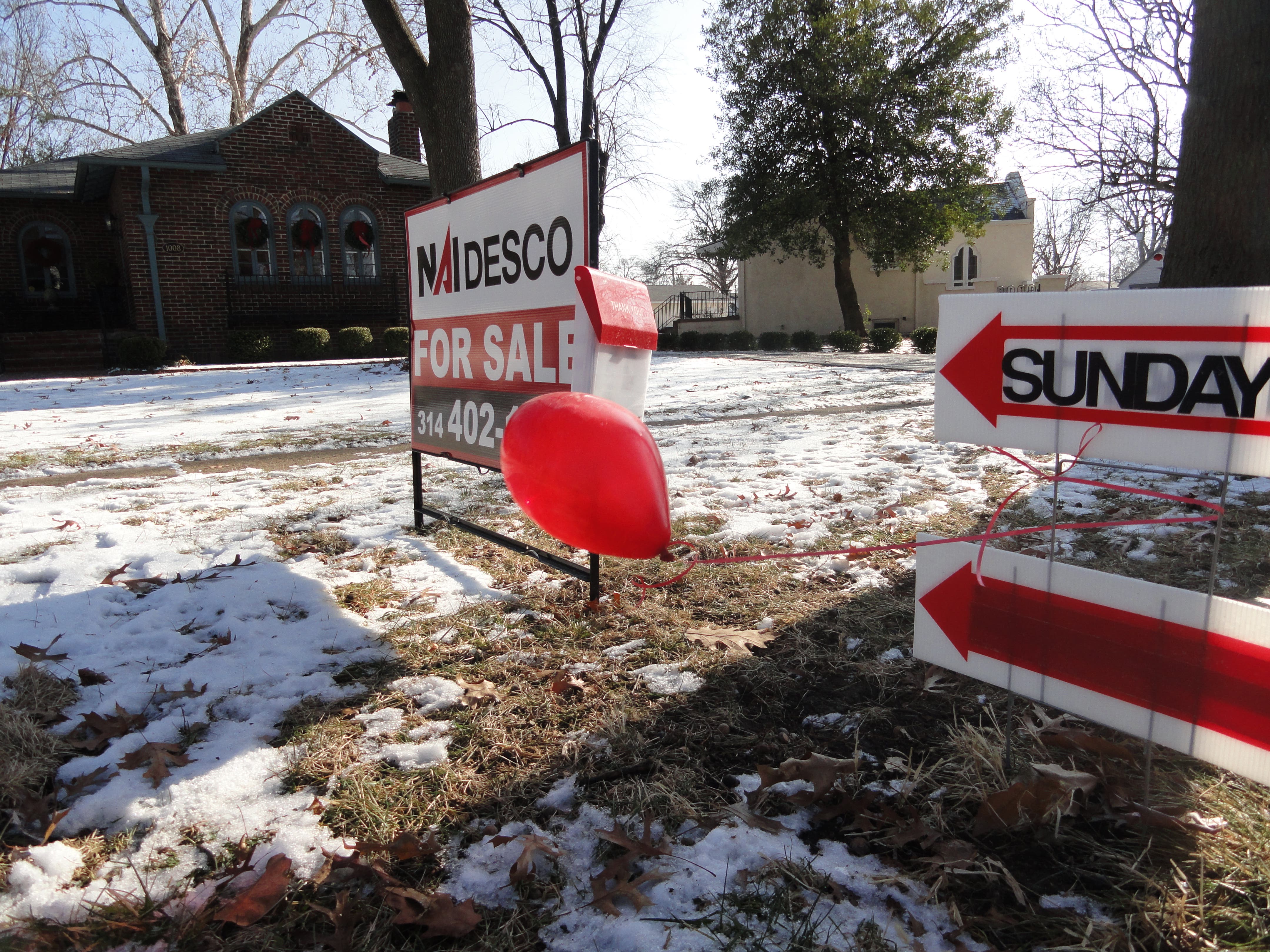
For the most part, the real estate markets of Kirkwood and Webster Groves have held their value. But when you're part of a market that's been as bad as the one we're seeing now, normal statistics are thrown out the window.
In the zip codes of 63119 and 63122, tax records show 175 distressed properties. This means that a property is either bank owned or in pre-foreclosure status.
This number changes based on a homeowner's status with a bank. If a homeowner has missed payments but is able to modify his or her loan, then their status could change.
Find out what's happening in Kirkwoodfor free with the latest updates from Patch.
The distressed market encompasses about one-third of the business selling on a national level. Comparatively, our areas represent a small amount of distressed sales, which is seen more in other parts of St. Louis County.
But this could change in 2011. With unemployment still above 9 percent, it could be late into 2011, or even into 2012, before we see some sense of stabilization in the housing market.
Find out what's happening in Kirkwoodfor free with the latest updates from Patch.
Distressed sales are hurting neighborhood values throughout the area. To make matters worse, a seller who is not considered distressed drives overall property values in an area.
Ultimately there are two types of distressed sales: a short sale and a bank owned property.
A homeowner who falls under the distressed category would rather sell his or her property "short" versus letting it go into foreclosure status. Banks prefer this approach, as well.
On average, a foreclosed property will cost the bank about $50,000 more than one that is sold short. A short sale allows the homeowner to negotiate a pay-off with the lien holder or lien holders.
Typically an agent that has done short sales and understands the negotiation process with the loss mitigation departments of the banks drives negotiations.
If a homeowner lets a property go into foreclosure, he or she has lost all opportunity to negotiate with the bank.
Because of increasing property devaluation in the market, more homeowners that have to sell are experiencing the short sale process, because they simply don't have the equity to sell, so they have to short the bank.
Typically banks want to see 90 percent net payoff based on the Broker's Price Opinion of the property. Second or junior lien holders generally need to payoff 10 percent, but I'm seeing all types of situations with second liens.
For example, in some situations, a bank will allow for the amount shorted (also known as the deficiency) to be charged off as a collection and waived. In some cases, a bank will want a promissory note for a portion of the payoff, or it will simply release the deed and hold the owner to the remaining portion of the note.
Remember, no matter what a bank decides, it's always better to short the property.