

Mount Pleasant Estates is internationally renowned for their Vintage and Tawny Ports. Mount Pleasant uses distinct grapes to make their ports. The “Muench” grape is an unidentified grape varietal named after Mount Pleasant’s founders, George and Frederick Muench. These grapes are only grown in Augusta, Missouri due to Augusta’s latitude position.
Although Mount Pleasant tried for years to develop a quality wine from this grape cultivar, they were unsuccessful. One experiment conducted during one of the harvests was to try to make a tawny port product using a rose wine method. The resulting product tasted terrible for years but fortunately, it was never discarded. After four years of cellar aging, a remarkable difference was evident and a great product began to emerge. After several refinements, the aged port was used as a starter to create what is now known as Mount Pleasant’s Tawny Port, which was first bottled in 1995.
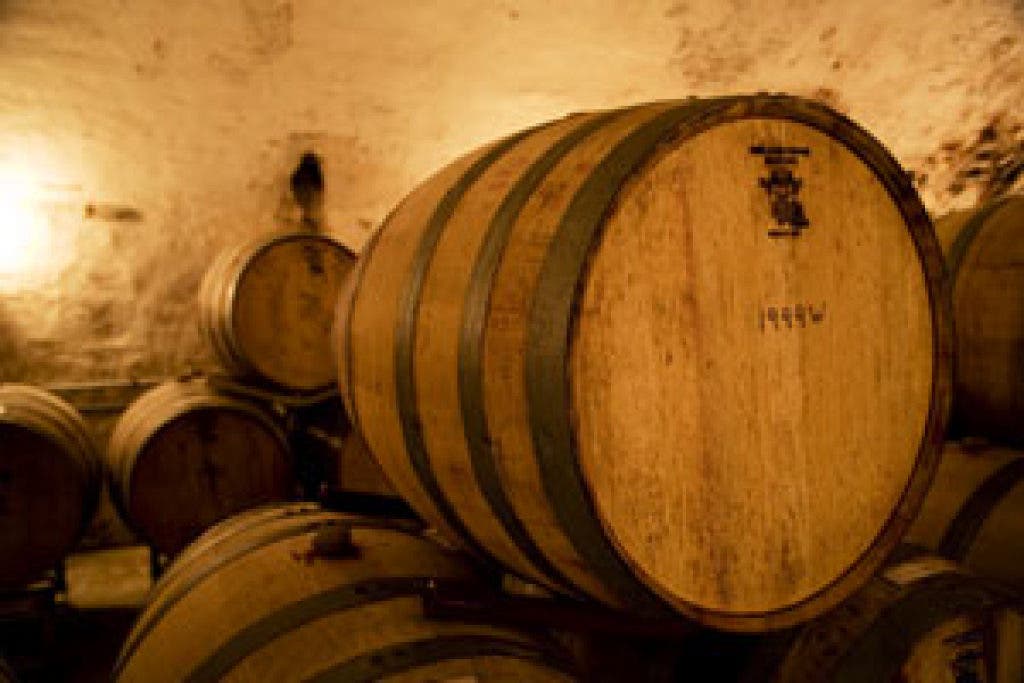
Today, Mount Pleasant begins with that same original port to make today’s port, which ages in oak barrels. The Tawny Port is loaded with flavors of butterscotch, caramel and toffee. Due to the slow aging process, the last Tawny Port was bottled in 2010. This wine is well suited for pairing with light desserts.
Find out what's happening in Ladue-Frontenacfor free with the latest updates from Patch.
Mount Pleasant is known around the world for their popular Vintage Port. Made from a blend of the Norton grape and Couderc, an unidentified grape varietal used only for Vintage Port, the port offers many complex layers and has flavors of chocolate and dark cherry. This wine is well suited for sipping.
Vintage Port is produced in a similar fashion as red wine, in which the grapes are fermented in their skins. Mount Pleasant adds yeast until the correct sugar levels are achieved. Brandy is then added to reach an alcohol level of 18-19%. The alcohol shocks the yeast and stops the fermentation process. The alcohol is held in a tank for several more weeks, and then is transferred into oak barrels for at least three years.