Neighbor News
June is Cataract Awareness Month
Prevention, Early Detection and Treatment Can Save your Sight

What is a Cataract?
A cataract occurs when the lens of the eye becomes cloudy and vision is affected. A cataract can occur in one or both eyes but it cannot spread from one eye to the other. Most cataracts are associated with aging and are very common in older individuals. By age 80, more than half of all Americans either have a cataract or have had cataract surgery.
Common Symptoms of Cataracts:
Find out what's happening in Ladue-Frontenacfor free with the latest updates from Patch.
· Cloudy or blurred vision
· Poor night vision
Find out what's happening in Ladue-Frontenacfor free with the latest updates from Patch.
· Glare – headlights, lamps or sunlight may appear too bright or a halo can appear around lights
· Double vision or multiple images in one eye
· Frequent prescription changes in eyeglasses or contact lenses
The symptoms of early cataracts may be improved with new eyeglasses, brighter lighting, anti-glare sunglasses or magnifying lenses. If these measures do not help, ask your eye care professional if cataract surgery is an effective option. Cataract surgery involves removing the cloudy lens and replacing it with an artificial lens. If both eyes have cataracts and surgery is agreed upon, the surgery on the second eye is generally planned at least one week after the first eye.
Lowering your risk for cataracts:
· Schedule regular eye exams
· Quit smoking
· Wear sunglasses
· Maintain a healthy weight
· Maintain a healthy diet
Wearing sunglasses and a large brimmed hat will help to block harmful ultraviolet sunlight. This can delay the formation of cataracts as well. Maintaining a diet full of leafy greens, vegetables, fruit and foods high in antioxidants can help.
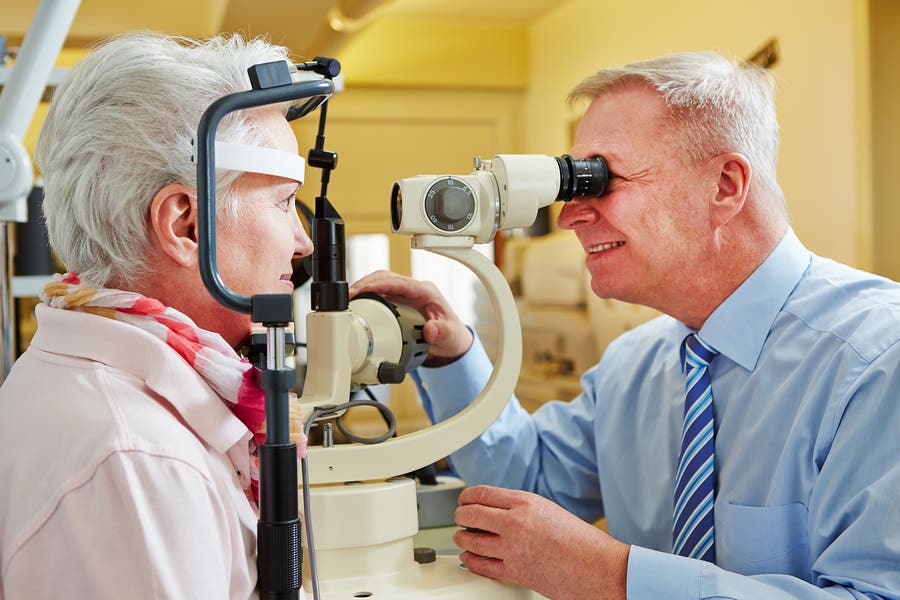
Individuals age 60 and older should have a comprehensive dilated eye exam at least once per year. It is important when diagnosing cataracts to also examine the eyes for evidence of any other eye disease such as age-related macular degeneration and glaucoma. In addition to taking a medical and ocular history and visual acuity test, the ophthalmologist will check eye movements and pupillary responses, measure the pressure inside the eyes and examine the front and back of the eyes after the pupils have been dilated with drops.
MediNurse, St. Louis’ premier provider of private duty nursing, offers care services that are customized to the individual needs and expectations of the client, patient and loved ones to ensure the best care possible. For more information, call us at 314-781-2800 or visit www.medinurse.com.