Neighbor News
Measles and the Importance of Protection for the Senior Population
Measles may seem like a long-gone childhood disease, but you may need vaccines, even if you were vaccinated as a child or young adult

What is Measles?
Measles is a respiratory disease caused by a virus. The measles virus lives in the mucus in the nose and throat of an infected person. When an infected person sneezes or coughs, the virus sprays into the air. The virus can be transferred when others breathe or put their fingers in their mouth or nose after touching an infected area. The virus can live on infected surfaces for up to two hours.
Senior Immunity
Find out what's happening in Ladue-Frontenacfor free with the latest updates from Patch.
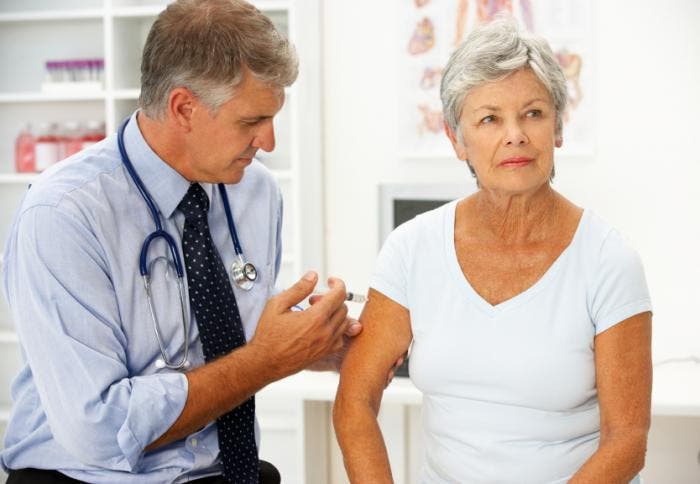
According to the CDC and other health-care professionals, people born in the United States before 1957 are considered immune to measles. The CDC reports there is a 95%-98% chance that those born before 1957 are immune to measles because they have lived through several years of measles epidemics, and would have been exposed to the virus during childhood. However, individuals who were born outside of the United States or were born after 1957 should speak with a health-care provider about getting vaccinated. Additionally, those individuals who have no record of a measles vaccination should speak with a health-care provider immediately
Who gets Measles?
Find out what's happening in Ladue-Frontenacfor free with the latest updates from Patch.
Anyone can get measles. The Centers for Disease Control and Prevention (CDC) notes that measles is so contagious that if just one person has it, 90% of the people nearby could get infected if they haven’t been immunized or received proper boosters. Complications from measles are still dangerous and occur more commonly in children under five years and adults over 20. Anyone who does not have evidence of measles immunity is at risk for measles.
Are there symptoms?
While the United States declared measles eliminated from the country in 2000, the virus is back in the news. Travel and rising numbers of unvaccinated children in America has increased the likelihood of contracting the virus. The symptoms of measles generally begin about 7-14 days after a person is infected, and include:
· Blotchy rash
· Fever
· Cough
· Runny nose
· Red, watery eyes (conjunctivitis)
· Feeling run down, achy (malaise)
· Tiny white spots with bluish-white centers found inside the mouth (Koplik’s spots)
The current measles vaccination is safe and effective. The CDC reports that more than 95% of people who are vaccinated develop immunity, and most people have no negative reaction to the vaccine. If you are around young children (such as grandkids), consider taking every precaution.
Ask your doctor or health-care provider what type of vaccination is best for you. Generally, Medicare prescription drug plans cover vaccinations recommended by your doctor to prevent illness. If you’re a Medicare beneficiary, check with your health-care provider and your Medicare prescription drug plan.
MediNurse, St. Louis’ premier provider of private duty nursing, offers care services that are customized to the individual needs and expectations of the client, patient and loved ones to ensure the best care possible. For more information, call 314-781-2800 or visit www.medinurse.com.