Neighbor News
West Nile Virus: Older Adults at Risk
There have been reports of West Nile virus activity in all parts of Missouri

The Missouri Department of Health & Senior Services recently enacted a Health Advisory regarding the widespread West Nile Virus activity in Missouri.
There have been reports of West Nile virus (WNV) activity in all parts of Missouri, including St. Louis City (3), St. Louis County (3) and Schuyler County (1). Additionally, four positive blood donors have been identified in St. Louis, St. Charles, Miller and Cape Girardeau Counties.
Background of West Nile Virus
Find out what's happening in Ladue-Frontenacfor free with the latest updates from Patch.
West Nile virus is an emerging infectious disease that was first discovered in the African country of Uganda in 1937. In recent years, WNV has spread, causing illness in birds, horses, and humans in Europe and the United States. It was first discovered in the U.S. in 1999 in New York City. Since that time, WNV has been detected in humans, animals, and mosquitoes in 47 states from coast to coast.
Risk Factors
Find out what's happening in Ladue-Frontenacfor free with the latest updates from Patch.
In addition to transmission of disease through insect bites, WNV can also be transmitted through transplants of infected organs and blood products. Illness from WNV can occur in people of any age. However, people over 60 years of age are at the greatest risk. Individuals with medical conditions, such as cancer, diabetes, hypertension, kidney disease, and people who have received organ transplants, are also at greater risk for serious illness. Fatigue and muscle weakness may linger for weeks or months following acute illness caused by WNV.
Medical Care
WNV can cause feverish illness, encephalitis, and/or meningitis. Approximately 80% of people who become infected with WNV will not experience any symptoms of infection, and less than 1% will develop the more serious, neuroinvasive form of WNV disease. Individuals who do develop symptoms of WNV illness may experience a sudden onset of feverish illness that often includes headache, and pain in muscles and joints. Other commonly reported symptoms of illness include gastrointestinal tract symptoms and a flat, red rash on the skin.
Currently, there is no human vaccine to protect the public against West Nile virus, although several companies are working toward developing one. There is no specific therapy for West Nile virus. In severe cases, intensive supportive therapy is needed which may include hospitalization, intravenous/IV fluids and nutrition, prevention of secondary infections and proper nursing care.
Reduce Exposure to Mosquitoes
Those at greatest risk of the serious complications of West Nile virus are those over age 50, particularly those over age 60, and they should take the greatest care to prevent exposure to mosquitoes. People over age 50 should take consider precautions when mosquitoes are most active:
· Wear long pants and long-sleeved shirts, particularly between dusk and dawn when mosquitos are active.
· Avoid shaded, bushy areas where mosquitos rest
· Limit outdoor activity
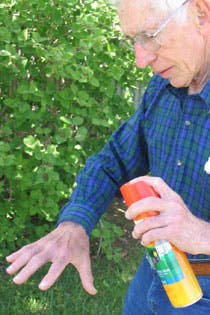
· Use an insect repellent containing DEET when spending time outdoors. This is one of the most important actions seniors can take to reduce the chances of mosquito’s bites from infected mosquitos.
DEET, diethyltoluamide, is the most effective insect repellent on the market today. DEET is not a brand name, but the active ingredient DEET or diethyltoluamide should be listed on the product label. Repellents come in aerosols, pump sprays and even moistened towelettes. After returning inside, wash with soap and water to remove DEET from skin. It is very important to read and follow label directions when using insect repellents.
MediNurse, St. Louis’ premier provider of private duty nursing care, provides care services that are customized to the individual needs of the client or patient and loved ones to ensure the best care possible. For more information, call us at 314-781-2800 or visit www.medinurse.com.