Health & Fitness
Tips for Helping your Pets (Large and Small) Cope with the Heat
The hot weather is hard on everyone, including your pets. Use these tips to keep your dog, cat, or horse safe during the heat wave.

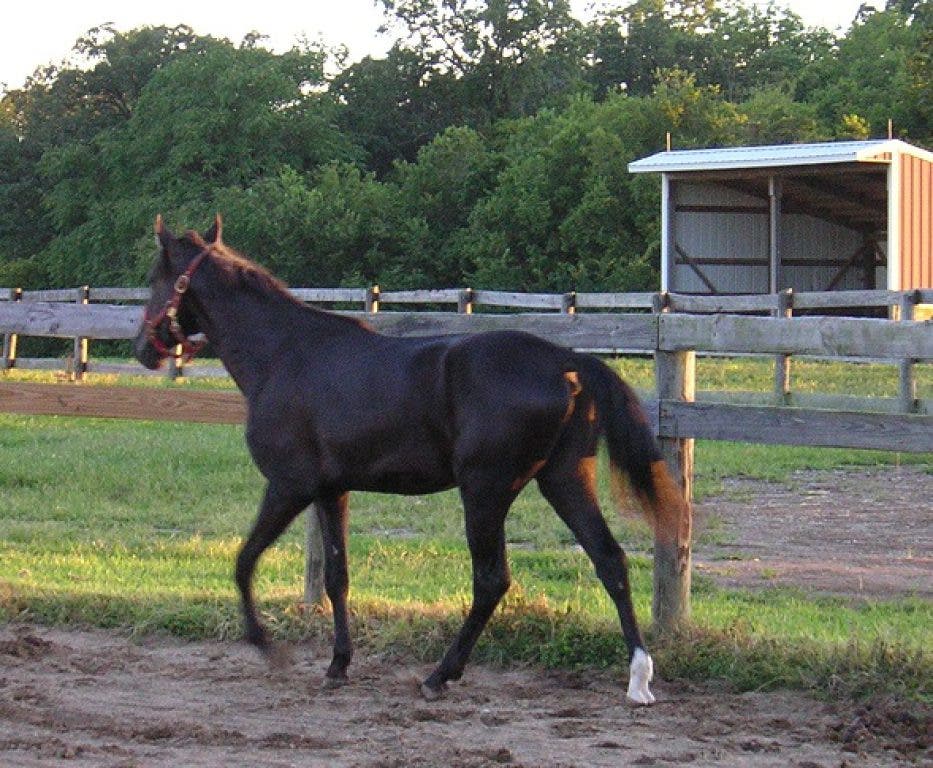
Staying cool in triple digit heat can be a real challenge and staying safe and healthy during the hot weather is hard. Dogs and cats can only cool off by sweating through their feet and panting, making it very easy to overheat. Horses can sweat like people do, but they are subject to the outdoors and unconditioned space 24-7, also making overheating a possibility.
1) Stay inside whenever possible! Staying cool in the first place is the best option.
- Allow dogs only enough time outside to use the restroom.
- Keep your kitties indoors for the duration of the hot weather since you can't guarantee they'll come home before it gets too warm!
- Make sure your horses have access to shade. They'll prefer to settle in under the trees along a fence line before they choose a shelter or a barn because the buildings just get hotter as the day goes on. If the horse needs to be inside, use fans to provide air movement.
2) Exercise in the morning or inside. Dogs, cats, and horses can go stir crazy if they don't get enough exercise, even in the heat! The mornings will be cooler than the evenings because of the nighttime cooling hours. It's worth getting up early to exercise!
Find out what's happening in Mehlville-Oakvillefor free with the latest updates from Patch.
- Take short walks (try to avoid going running) with your dog before the heat of the sun takes effect. Or, play inside!
- Just ten minutes a day of cat playtime with toys inside can reduce their need to find something less constructive for them to do like attack your furniture! Need some creative ideas? A shoelace, ribbon, milk jug rings, and/or a paper bag open on the floor does wonders!
- Give your horse light workouts at slower speeds (walk and trot) in the mornings. Consider working on the horse's balance, collection and lateral movements. In other words, challenge your horse's mind, muscle strength, and flexibility - not speed.
3) Provide water indoors and outdoors, but regulate it so no one over drinks!
- Dogs, especially after exercise, can drink too much water and make themselves sick. Consider regulating water intake for 10-15 minutes while they are cooling down. Then go back to free access to water.
- Cats prefer fresh water over water that is even just a day old because there is less oxygen in the older water. Empty and refill their water dishes twice a day to keep them from dehydrating.
- A healthy, non-working (idle) horse will drink 10 gallons of water per day in 70-degree weather. Doubling up on water buckets in the heat will give them enough water to stay hydrated. Like dogs, watch their consumption after workouts. Don't let them drink until their breathing and body temperatures are back to normal or they could colic.
4) Watch for overheating and dehydration. The reasons for these two issues depend on the animal. An older animal will overheat before a younger one. An out-of-shape animal suddenly put to work will do the same.
Find out what's happening in Mehlville-Oakvillefor free with the latest updates from Patch.
- Make sure your cats aren't panting. A cat who is panting is overheated. Encourage hot animals to spend some time on your cold concrete basement or tile kitchen floor! Turning the air conditioning down further than normal for a short period of time can help, too.
- Consider electrolytes for horses and dogs who struggle to stay hydrated.
- Don't forget your salt for your horse! Salt is just as important to their ability to hydrate as water is. Consider feeding loose salt instead of blocks. Horses need a minimum of 2 oz. of salt each day, but only eat about 4/10ths of an ounce off a salt block every two months! Why? You guessed it - because salt blocks are a lot of work! Horses get annoyed with them before they consume enough salt.
And of course, many of these tips work for humans, as well! Be careful out there!