Schools
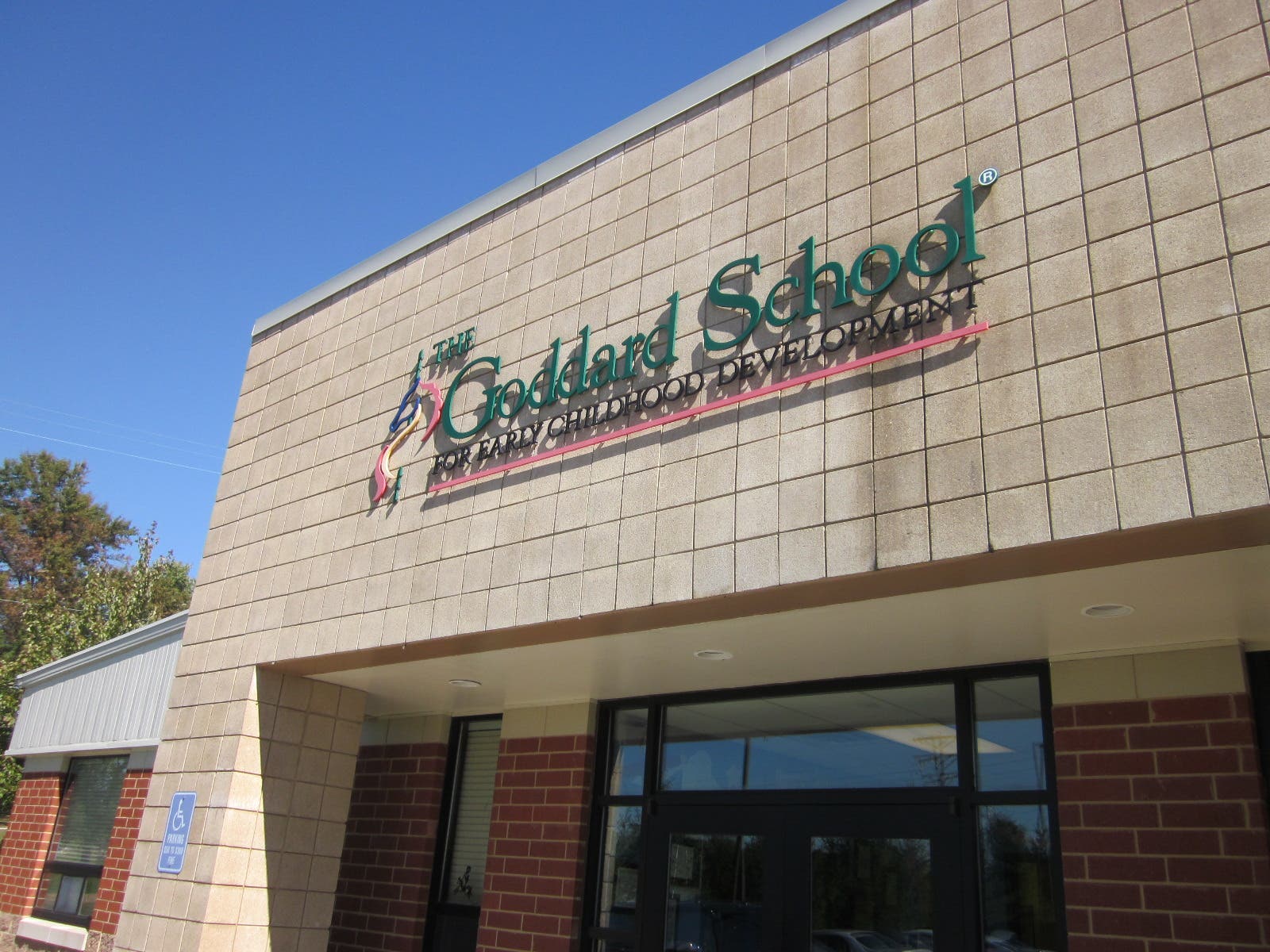
Goddard School Discusses Positive Alternatives to 'No'
Children should begin to learn to respect limits from a young age.
Most boundaries for children are set for health and safety reasons and are a very important and necessary developmental tool. Children are corrected every day, which can lead them to simply “tune out” any perceived negativity or become uncooperative.
Regardless of their age, most people respond better to positively communicated direction. This is especially true for children. For example, “Grandma is worried about us getting stains on her couch. Let’s enjoy our snack in her kitchen instead,” will generate more cooperation than “No food or drinks in Grandma’s living room.”
Try telling your child what he or she can do instead of what he or she can’t. Practice the positive alternatives below to avoid overusing the word “no” while maintaining reasonable limits.
Find out what's happening in Mehlville-Oakvillefor free with the latest updates from Patch.
- “Maybe later” works for the McGuire family to delay a request such as snacks or sweets before mealtime.
- “Not today” communicates that the timing is wrong but leaves the possibility open for the Anderson family.
- “When we’ve done (this), then we can do (that).” This method used by the Pyatt family is good for transition times and to help toddlers establish event routines. For example, “When all of your toys are put away, we can go play at the park.”
- “I’ll think about it” replaces an automatic “no” by allowing Lacy Arsenault the time to think about her determination. Parents tend to make better decisions when they take the time to think about the request and their response.
- “Sure, did you bring your allowance?” This technique allows you to communicate that they may have the requested item if they can pay for it themselves, once the kids are school aged.
- “Yes (with qualifier).” This strategy implemented by the Burr family grants conditional permission. For example, “Yes, you may play the game after we eat dinner.”
By giving your children a more positive response to their requests, they are less likely to get upset when they do not get what they want.
Find out what's happening in Mehlville-Oakvillefor free with the latest updates from Patch.