Community Corner
Preventing the Misuse of Prescription Painkillers
A Mehlville mom talks to a D.A.R.E. officer for advice.
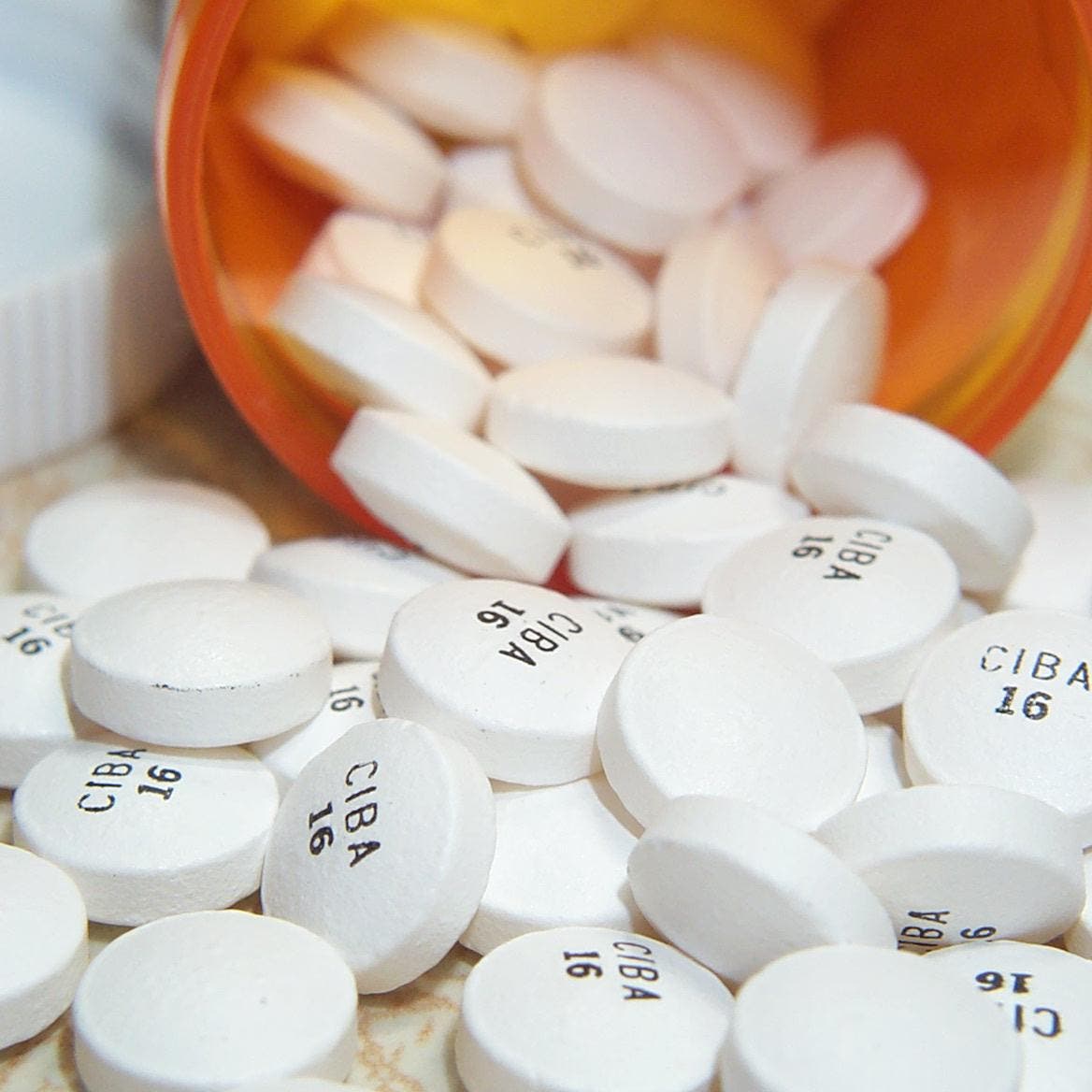
The image most parents have when they worry about their kids using drugs usually involves something dark and sinister, like a back-alley exchange or kids hovering in a corner at a party.
The reality might be something much different. Prescription painkillers are a popular choice for misuse among youth because they are so readily available at home. Even if a kid’s own parents don’t have painkillers in their own medicine cabinets, it’s easy to find a friend or a grandparent who stocks them.
What parents want to know, however, is how to keep their kids from getting into the medicine cabinet or buying these drugs from a friend. To get some information about preventing the misuse of prescription drugs, I called Officer Kathy Kelly, an experienced local D.A.R.E. instructor.
Find out what's happening in Mehlville-Oakvillefor free with the latest updates from Patch.
Officer Kelly said that many students she teaches don’t know the difference between over-the-counter (OTC) drugs and prescription medications. In her presentation, she goes over the labels of common medications with the kids and draws their attention to the active ingredients and the warnings attached. She explains to them that what is prescribed for another family member is not necessarily a safe medication for them to take.
To prevent the use of prescription pills or OTC drugs by kids, Officer Kelly recommends that medications be placed out of the reach of children.
Find out what's happening in Mehlville-Oakvillefor free with the latest updates from Patch.
While vigorously patting myself on the back, I told Officer Kelly where I store my family’s medications: in the highest cabinet in the house, over the stove. Officer Kelly immediately burst my bubble.
Medications, she explained, should never be placed in a cabinet where the temperature is unstable, such as in a bathroom or over a stove. Medications need to remain below 86 degrees or their components can separate. Since heat rises, the cabinet over the stove is bad news.
Officer Kelly encouraged me to move my medications to a high bedroom closet shelf. She also said that parents need to keep count of the number of pills they have in a bottle of medication and dispose of expired and unneeded medications. She said that area , which is the correct way to dispose of drugs.
One factor that parents often overlook is the role of grandparents. People without kids living in the house often leave medications out on the kitchen table, and grandparents need to be careful to keep medications out of kids’ reach.
Most importantly, Officer Kelly says that parents need to breathe down their kids’ necks about what they are doing and what friends they are spending time with. She said that she regularly encourages parents to bug their kids about the company they keep.
What I see in the headlines is that the stereotypical image of a drug addict is changing. No longer in the confines of the street-savvy dealer dressed in all black, many drug addicts are middle-class individuals who have a family and career. When chronic pain resulting from an injury caused them to seek help from their doctor, they quickly found their medication use to be out of control.
It scares me to think that even if you don’t fit that description, and the parents of your kids’ friends don’t either, they may have unused painkillers in their medicine cabinet, long forgotten because they were careful not to get addicted. Those painkillers are there to be found by someone having a moment of curiosity or a persuasive friend pushing them to try something new.
The Centers for Disease Control said in a 2010 report that in a National Youth Risk Behavior Survey, one in five high school students reported misusing a prescription drug.
In addition, the report said that the Substance Abuse and Mental Health Services Administration estimates that more than 141,000 (14 percent) of emergency department visits in 2008 by 12 to 20-year-olds were related to the misuse of prescription drugs. This number does not include suicide attempts.
Part of the problem is that prescriptions are not tracked by any central monitoring system. Individuals who become addicted to a painkiller are able to request similar prescriptions from several different doctors because their medications are not tracked.
Many addictions to painkillers begin with legitimate pain problems. A person may seek out help in managing pain after an injury, later finding that they need increasing levels of the drug in their system to get the same effects.
Just like any other serious condition, like cancer or an eating disorder, we always think it won’t hit home. Just in case, though, I’m glad to have talked with Officer Kelly and be aware of the steps I can take to protect my kids from their curiosity.