Neighbor News
The Beginning of the End of Alzheimer's
Representative Wesley Bell recently took a stand for families with Alzheimer's Disease. Here's why it matters.
Did you know a simple blood test can now detect Alzheimer's before symptoms ever appear?
That's not just a medical breakthrough, it's the result of decades of dedicated research and scientists who refused to give up.
For years, researchers have worked tirelessly to understand how Alzheimer's develops in the brain long before memory loss begins. That persistence paid off. Advances in biomarker research — identifying specific proteins in the blood that signal early disease activity — made this kind of test possible. What once required invasive procedures or expensive imaging scans can now be detected with a simple blood draw. Research made that happen.
Find out what's happening in St. Louisfor free with the latest updates from Patch.
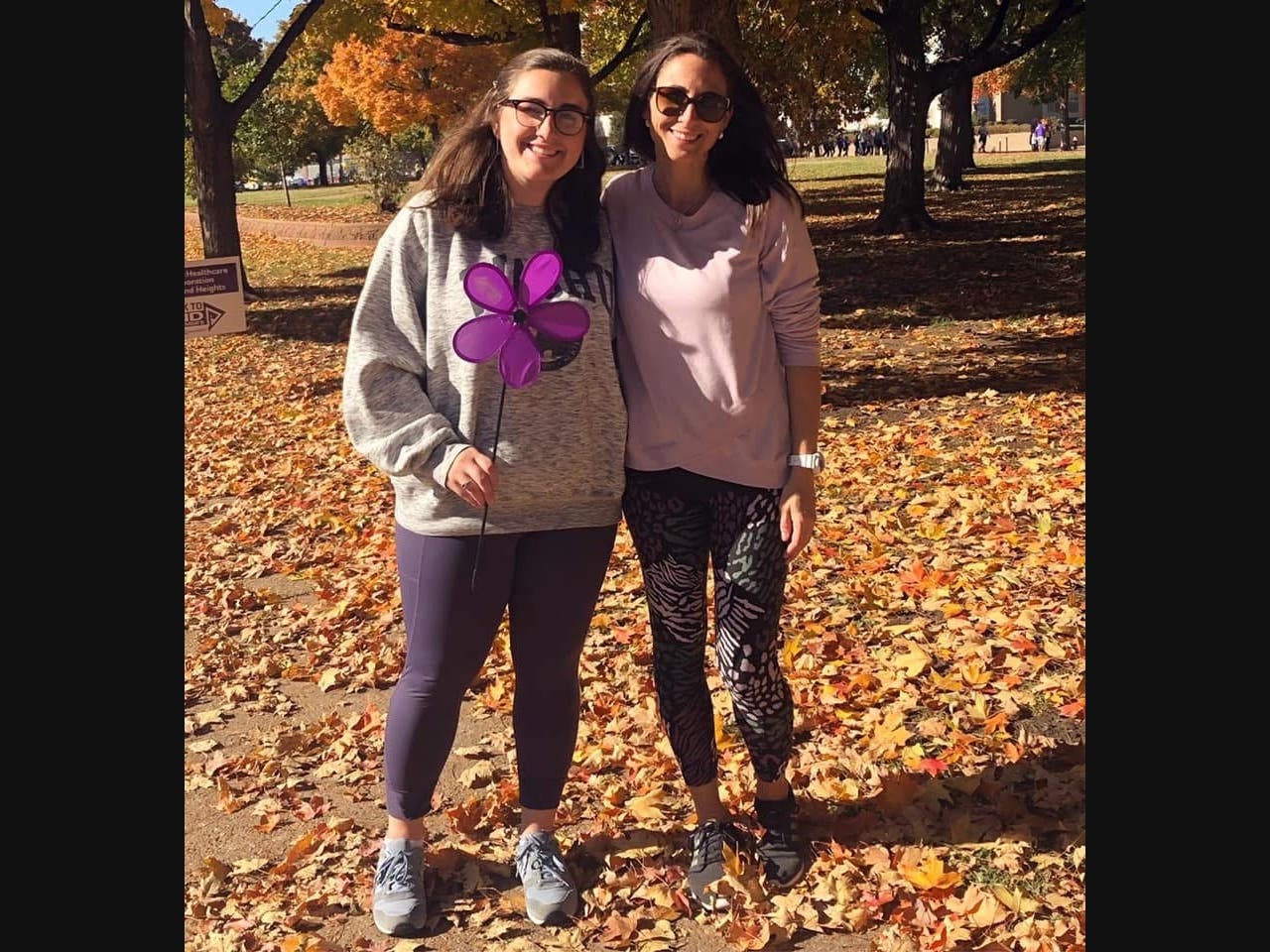
For me, this isn't abstract. My family has a rare dominantly inherited form of Early-Onset Alzheimer’s, which means we don't just worry about the disease, we live with the near-certainty of it. Watching it move through generations is something no family should have to experience. That's why we have been involved with research at Washington University in St. Louis, one of the world's leading institutions in Alzheimer's research. Being part of that work, contributing to something larger than ourselves, and knowing our participation might help unlock answers has given real meaning to something that could otherwise feel only like loss. Research isn't just a clinical process to us. It is hope. It is the most powerful tool we have, and I believe, with everything in me, that it is the path to a cure.
And this is only the beginning. The same commitment to science that gave us early detection is now driving breakthroughs in treatment, prevention, and one day, a cure. But that progress depends on continued investment in research. Every study funded, every clinical trial conducted, and every dollar donated moves us closer to a world without Alzheimer's.
Find out what's happening in St. Louisfor free with the latest updates from Patch.
That's why policy matters too. Representative Wesley Bell recently signed on as a cosponsor of the Alzheimer's Screening and Prevention (ASAP) Act, and it's a critical step in making sure this science actually reaches people.
Here's the problem: under current law, Medicare is legally prohibited from covering dementia screening for people without symptoms. That means millions of Americans could miss a critical window for early detection, not because the science isn't there, but because of a policy gap only Congress can close.
This bill doesn't mandate anything. It simply removes that barrier, so Medicare can evaluate these tests and make coverage possible. Science opened the door. This bill keeps it from being slammed shut.
Please join me and the Alzheimer’s Association in thanking Representative Wesley Bell for his support of the bipartisan Alzheimer’s Screening and Prevention (ASAP) Act. To learn more about this disease and how you can join the fight to end Alzheimer’s, visit alz.org.