ST. LOUIS: MediNurse, St. Louis’ premier provider of private duty nursing care and health related services for more than three decades, educates the public about the prevalence of cataracts. Cataracts are common in senior citizens; in fact, by age 80, more than half of all Americans either have a cataract or have had cataract surgery.
Cataracts are caused by a buildup of protein that forms a cloud in an eye’s lens. The lens functions like a camera lens, and lies behind the eye’s iris and pupil. It focuses light onto the retina at the back of the eye, where images are recorded for the brain. The lens also adjusts the eye’s focus, allowing us to see things clearly both up close and far away. The lens is made up of mostly water and protein, and as we age, it is susceptible to protein buildup, making it more difficult to see.
Cataracts tend to grow over time. When a cataract is small, the cloudiness affects only a small part of the eye’s lens. There may not be an immediate change in your vision; however, over time, the cloudy area in the lens may get larger, and the cataract may increase in size. As a result, your vision may get duller or more blurry. You’ll also notice a difference in color—the clear lens slowly changes to a yellow/brown color, adding a brown tint to vision. If you have advanced lens discoloration, you may not be able to identify certain colors.
Find out what's happening in St. Louisfor free with the latest updates from Patch.
The risk of cataracts increases as we age, but even more so for those affected by diabetes, smoking, alcohol use or prolonged exposure to sunlight. There are certain remedies that delay the development of cataracts: new eyeglasses, brighter lighting, anti-glare sunglasses or magnifying lenses. If these measures aren’t helping, surgery is the only option.
Cataract surgery involves removing the cloudy lens and replacing it with an artificial lens. A cataract requires removal only when vision loss interferes with your everyday activities, such as driving, reading or watching TV. In most cases, delaying cataract surgery will not cause long-term damage to your eye—meaning unless your doctor says so, there’s no reason to rush into surgery.
Find out what's happening in St. Louisfor free with the latest updates from Patch.
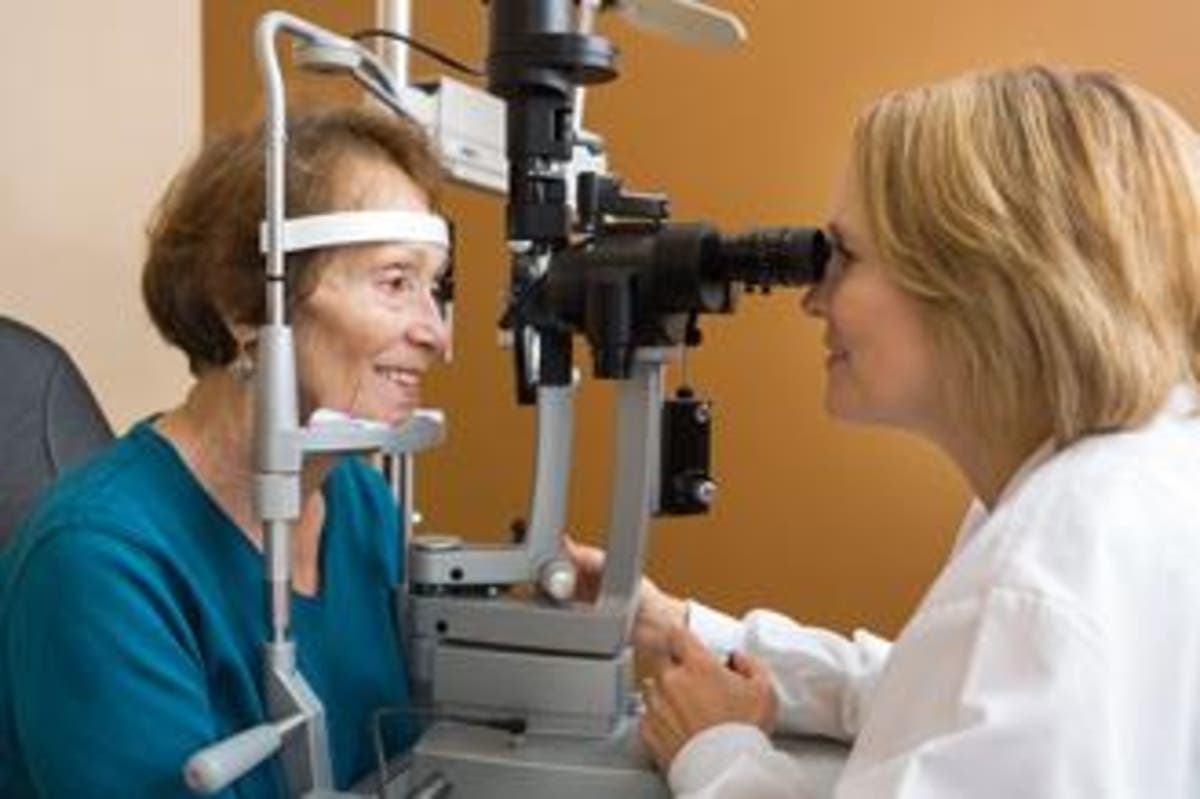
If you are age 60 or older, you should have a comprehensive dilated eye exam at least once every two years. In addition to a cataract, your eye care professional can check for signs of age-related macular degeneration, glaucoma and other vision disorders. Early treatment for many eye diseases may save your sight.
MediNurse is St. Louis’ premier provider of private duty nursing care and health related services. MediNurse provides services that are customized to the individual needs of the client or patient and loved ones to ensure the best care possible. For more information, call 314-781-2800 or visit www.medinurse.com.